This outdoor feature is causing foundation issues over time
Your favorite outdoor feature can quietly become the most destructive force working against your home’s stability. When landscaping, patios, and planting beds are placed too close to the structure or built without drainage in mind, they slowly alter the soil around your foundation until cracks, leaks, and shifting floors start to appear. By understanding how these attractive upgrades interact with water, soil, and concrete, you can keep your yard beautiful without sacrificing the structural health of your house.
The outdoor feature most owners underestimate
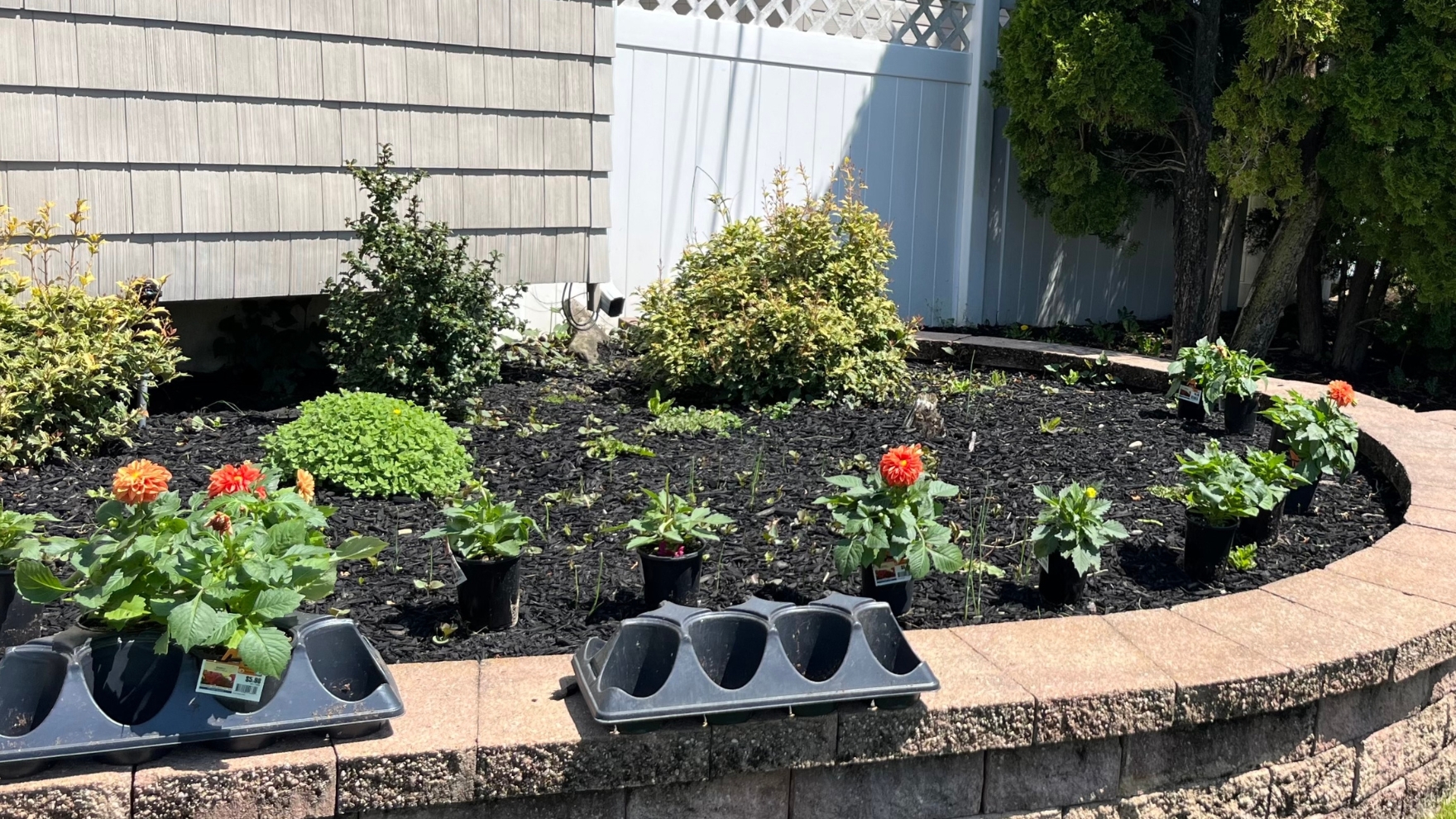
The outdoor element that most often undermines a foundation over time is not a dramatic retaining wall or a massive swimming pool. It is the humble planting bed or decorative border that hugs the house and traps moisture against the concrete. When you ring your home with raised soil, stone edging, or dense shrubs, you change how water moves and where it collects, which can steadily erode the support your foundation depends on.
Decorative beds, shrubs, and edging are usually installed to soften the look of bare walls, but when they sit tight to the structure they can interfere with the natural drainage pattern that builders intended. Over time, these features can hold runoff in place, saturating the soil and increasing pressure on basement or crawl space walls. That is why Landscaping Issues Decorative elements are specifically identified as a source of water infiltration when they trap moisture near the foundation instead of letting it drain away.
How trapped water quietly attacks your foundation
Once water is held against the house by raised beds or edging, it starts to behave less like a cosmetic nuisance and more like a structural threat. Persistent moisture softens and washes out supporting soil, and in many climates it also drives cycles of expansion and contraction that stress concrete and masonry. Over the years, this repeated movement can turn hairline cracks into gaps wide enough to leak, shift, or even compromise load bearing walls.
Specialists in structural repair consistently point to Water as a primary driver of foundation damage, especially when it accumulates near the perimeter instead of draining away and leaving the soil dry between storms. When saturated soil presses against basement walls, it can lead to leaks, bowing, and settlement that eventually show up as uneven floors and sticking doors. The danger is greatest during heavy rains, when trapped runoff has nowhere to go and hydrostatic pressure spikes against the concrete.
Soil, roots, and the ground that is always moving
Even without landscaping, the ground beneath your home is not static, and your outdoor features can amplify that natural movement. Many houses sit on Common Causes of such as Unstable Soil and Expansive clay, which swell when wet and shrink when dry. When you add beds that hold moisture in some areas and leave others dry, you create uneven conditions that encourage one part of the foundation to move differently from another.
Tree roots add another layer of stress when they are planted too close to the structure. A mature Tree will keep extending its roots in search of water and nutrients, and those roots can become hard and solid as they grow through the soil. Over time, they can disturb the ground around footings and even interfere with pipes and other services that are laid in the ground, which is why experts warn that Tree roots are a genuine structural concern when they are allowed to expand unchecked near foundations.
Why grading and drainage matter more than curb appeal
The way your yard slopes is just as important as the plants and hardscape you choose. If the ground tilts toward the house or if raised beds interrupt the natural flow of runoff, water will collect where it can do the most harm. Over time, that pooling can lead to erosion, settlement, and cracking that no amount of cosmetic patching will fix.
Foundation specialists repeatedly identify Poor drainage and negative grading as core reasons for structural problems, because water that has nowhere to go will sit against the foundation and seep into any available gap. To reduce that risk, you are advised to Have positive slopes that carry water away from the house and to Make sure downspouts and surface grading work together, guidance that is echoed in recommendations on how to Have protective grading in place before heavy rainfall arrives.
When patios, decks, and borders become part of the problem
Hardscape features are often sold as low maintenance upgrades, but they can be just as disruptive to drainage as overgrown shrubs. A patio that is poured flat or tilted toward the house will funnel water directly to the foundation, and a deck with solid skirting can trap damp air and runoff in a shaded pocket that never fully dries. Over years of storms and seasonal changes, that trapped moisture can accelerate deterioration in both the structure and the soil that supports it.
In regions where outdoor living is central to daily life, such as Dallas, owners are encouraged to think about how these amenities interact with the rest of the property. Having a patio or deck that blocks drainage paths or creates a low spot can lead to pooling water that seeps into the soil and undermines the foundation. Even small concrete borders or paver walkways can contribute if they form a continuous barrier that keeps runoff from escaping the perimeter of the house.
Landscaping features that trap water by design
Some of the most problematic outdoor features are those that are intentionally built to hold soil and water in place. Raised planters, decorative retaining walls, and stacked stone edging all create pockets where moisture lingers longer than it would on open ground. When those pockets sit against the foundation, they effectively turn your landscaping into a reservoir that feeds water into the surrounding soil every time it rains.
Drainage professionals warn that Landscaping Features That designed, such as flower beds, retaining walls, and decorative edging, can saturate the soil near the foundation and keep it that way. Similarly, guidance on grading notes that Poorly placed trees, plants, or flower beds can impede the flow of water across the yard, forcing it to collect in low spots near the house instead of dispersing safely downslope.
How shifting foundations reveal themselves inside
The trouble that starts in your yard rarely stays outside. As soil conditions change and moisture levels fluctuate, the foundation can begin to move, and that movement eventually shows up in the living spaces you use every day. You might notice doors that no longer latch, windows that stick, or cracks that creep along drywall seams and across ceilings.
Experts describe this process as part of What is Happening Under Your House, where soil expansion, contraction, and erosion gradually translate into visible problems that surface inside your home. Outdoors, one of the most serious warning signs is a Horizontal crack in a basement or crawl space wall, which indicates that soil expansion and shrinkage are creating pressure against foundation walls, a condition documented in discussions of Horizontal cracking as a major structural concern.
Why it is not just your fault, and what really causes the damage
When you discover cracks or settlement, it is easy to blame that one flower bed or the shrubs you planted last year. In reality, foundation problems almost always come from a mix of underlying soil conditions, water management, and construction details, with landscaping acting as an aggravating factor rather than the sole cause. Understanding that bigger picture helps you focus on fixes that address the root issues instead of tearing out every plant in sight.
Structural repair specialists emphasize that Let owners stop blaming themselves and instead look at the broader context, including Expansive Clay, poor drainage, and other environmental forces that are far more powerful than a single weekend project. Broader engineering guidance lists Unstable Soil, Different load bearing capacities, and Expansive conditions as Common Causes of Foundation Problems, which means your landscaping choices matter most in how they interact with these existing vulnerabilities.
Practical steps to keep your yard and foundation in balance
Protecting your home does not require stripping away every bed and border, but it does demand a more strategic approach. Start by checking that the soil slopes away from the house on all sides, and that no raised feature creates a dam that holds water against the wall. If you see mulch or soil piled above the top of the foundation, lower it so that moisture and insects are less likely to find a path inside.
Homeowners on design forums often ask whether they need extreme measures, and the consensus is that most houses do not need to be surrounded by plastic covered slopes to stay dry. As one discussion of Are landscaping causing foundation issues notes, Yet most homes survive without such drastic interventions, provided that basic grading and drainage are correct and that planters are adjusted rather than dismantled entirely. If you are unsure where to begin, focus on redirecting downspouts, opening up blocked drainage paths, and spacing plants and trees so their roots and water needs do not concentrate stress right at the foundation.
Like Fix It Homestead’s content? Be sure to follow us.
Here’s more from us:
- I made Joanna Gaines’s Friendsgiving casserole and here is what I would keep
- Pump Shotguns That Jam the Moment You Actually Need Them
- The First 5 Things Guests Notice About Your Living Room at Christmas
- What Caliber Works Best for Groundhogs, Armadillos, and Other Digging Pests?
- Rifles worth keeping by the back door on any rural property
*This article was developed with AI-powered tools and has been carefully reviewed by our editors.