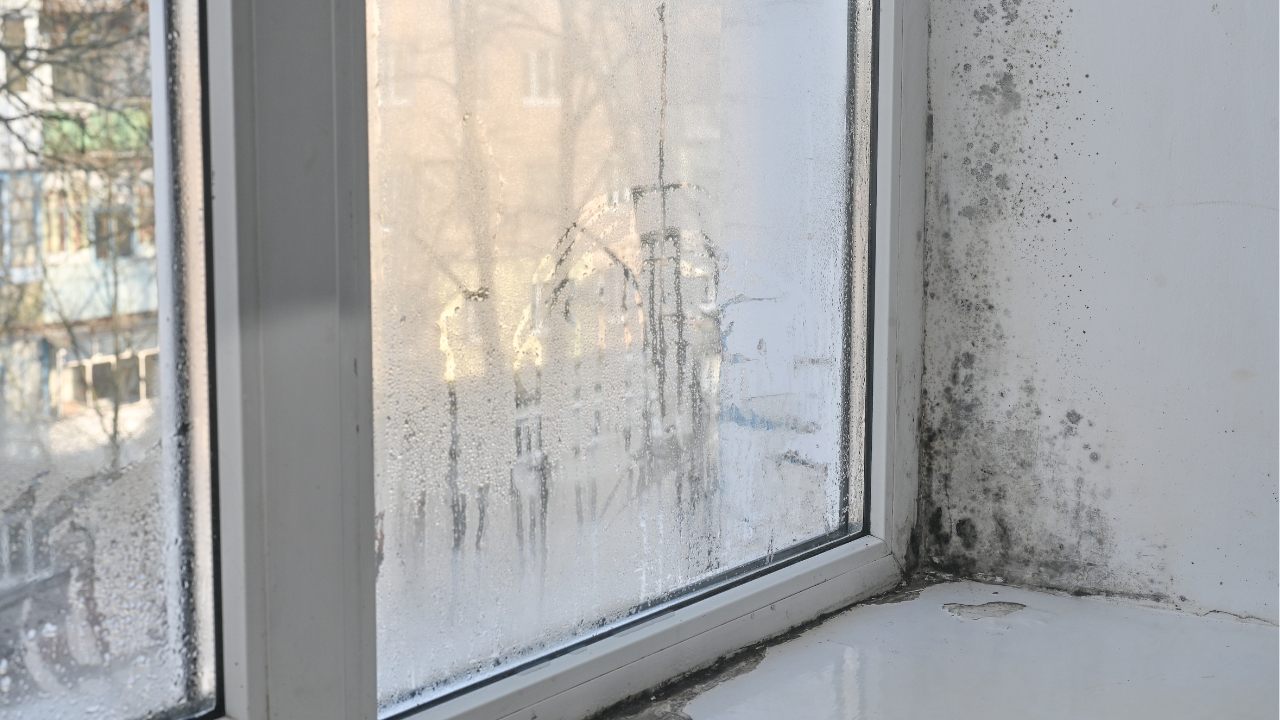
This ventilation issue shows up in homes built before modern code
Walk into almost any house built before modern building codes and you can feel it in the air: rooms that never quite dry out, attics that smell musty, bathrooms that fog up and stay that way. The charm of an older home often hides a ventilation problem that simply did not exist in the minds of the original builders. If you own one of these properties, you are likely living with a design era that assumed air would leak out on its own, long before today’s standards tried to control where moisture and stale air actually go.
That gap between yesterday’s assumptions and today’s expectations is where trouble starts. Poorly planned airflow does more than make you uncomfortable, it quietly undermines your roof, your walls, and even your health. Understanding how this specific ventilation issue shows up in homes built before modern code is the first step toward fixing it without sacrificing the character you value.
Why older homes were never designed for today’s ventilation demands
When you live in a pre‑code house, you inherit a structure that was engineered for a different world. Many older houses were initially designed for self ventilation through chimneys, engineering bricks, and gaps around windows and doors, so builders relied on drafts rather than mechanical systems. That worked, up to a point, when people cooked on open flames, used fewer appliances, and accepted cold spots as part of daily life. Once you tighten up those same walls with new windows and insulation, the original escape routes for moisture and combustion byproducts disappear, but the sources of humidity and pollutants multiply.
Modern standards expect a house to manage moisture and air quality deliberately, not by accident. Guidance on the Challenges of Ventilating notes that many such properties were built before modern ventilation standards were established, which leaves you with rooms that trap humidity and stale air. When you add dense insulation or seal every crack without adding balanced intake and exhaust, you can create conditions for condensation, dampness, and even potential gas entrapment inside walls and crawl spaces. The result is a home that looks solid from the curb but quietly fails the comfort and safety expectations that current codes try to enforce.
The attic: where the hidden ventilation failure usually starts
The most consequential ventilation mistake in older homes often sits just above your head. Attics in pre‑code houses were rarely engineered as part of a controlled airflow system, so they tend to run hot in summer and clammy in winter. Roofing specialists who explain Why Attic Ventilation describe proper attic ventilation as one of the most important and often overlooked parts of a healthy roof. Without a clear path for cool air to enter at the eaves and warm, moist air to exit at the ridge, your roof deck becomes a condensation lab, especially after a cold night followed by indoor heating.
On many older houses, intake vents were installed in a token way, if at all. One contractor in a viral clip points out that a common problem in older homes is the soffit, where there might be only one or two small vents per side of the house. That limited opening is often then blocked by paint, insulation, or pest screens, so the attic cannot pull in enough fresh air to replace what leaves through gable or roof vents. Roofing guidance on Winter Attic Ventilation warns that this poor airflow sets up a destructive cycle, where warm indoor moisture reaches the cold roof deck, turns into condensation, and starts the slow process of mold growth and premature roof rot.
Soffits, blocked intake, and the roof‑rot domino effect
If you want to see how a single design oversight can ripple through an entire structure, look at the soffits on a pre‑code house. Those shallow eaves were often built for aesthetics, not airflow, and the few vents that were installed are frequently undersized. The contractor who flagged the Apr soffit issue notes that back in the day there would be one or two small set vents per side of the house, which is nowhere near enough intake for a modern, insulated attic. When you blow in new insulation without baffles, you can bury those vents completely, turning the attic into a sealed box that still receives moisture from the living space below.
Roofing experts who detail How Poor Airflow to damage describe what happens next as The Destructive Cycle. Warm, moist air from showers, cooking, and breathing rises into the attic, hits the cold underside of the roof, and turns into condensation that soaks the wood. Over time that moisture supports Mold, Mildew, and Premature Roof Rot, problems that are far more expensive to fix than simply correcting the intake and exhaust balance. When soffits cannot breathe, the roof structure becomes the sacrificial surface, and you may not see the full extent of the damage until shingles curl or interior ceilings stain.
Bathrooms: the code violation that keeps feeding attic moisture
While the attic shows the symptoms, the bathroom often supplies the moisture. In many older houses, bathrooms were added or remodeled without mechanical exhaust, especially if a small window was present. Current rules are clear that Improper Bathroom Ventilation is a common code violation, and Building codes require bathrooms with no windows to have exhaust fans that send moisture outside, not into the attic. Yet in pre‑code homes, it is routine to find fans that terminate in the roof space or not at all, which means every shower pumps steam directly into the area you are trying to keep dry.
Renovation guidance repeats the same warning in slightly different language, emphasizing that Feb guidance on Building requirements is not optional if you are planning a bathroom remodeling project. When you skip the ductwork to the exterior or rely on a window that no one opens in winter, you create a constant source of humidity that feeds attic condensation and wall mold. Over time, that moisture can delaminate paint, swell trim, and even corrode metal fixtures, all while remaining technically invisible to a quick walk‑through.
Humidity, condensation, and the fabric of period homes
Beyond the roof and bathroom, the entire shell of a period property reacts to trapped moisture. Conservation specialists warn that Trapping moisture within the fabric of an older building threatens long term durability and promotes biodeterioration, especially in timber and lime based materials. When warm indoor air meets cold surfaces, Condensation forms on windows, in corners, and inside wall cavities, quietly feeding mold and decay. Period homes were never meant to be sealed in plastic; they rely on a balance between gentle air movement and breathable materials to stay dry.
Moisture specialists who focus on Solving Humidity Problems in Older Homes note that these properties offer timeless appeal and craftsmanship but also come with a hidden risk of chronic damp. They point to warning signs such as Musty closets or crawl spaces, peeling paint, and persistent window fog as indicators that humidity is not being managed. When you combine that with the fact that Older Homes often have complex junctions between additions and original structures, you get pockets where air barely moves at all. Those dead zones are where rot, insects, and structural problems tend to start.
HVAC systems that move air poorly, or not where it should go
Even when you install modern heating and cooling equipment, the rest of the system in an older house may not cooperate. Guidance on Common HVAC Problems in Older Homes explains that ductwork is one of the most frequent trouble spots, because it was often retrofitted into tight chases or crawl spaces. Those ducts can be undersized, leaky, or poorly balanced, so some rooms get plenty of conditioned air while others stagnate. When supply and return paths are mismatched, your HVAC system can depressurize certain areas and pull in unfiltered air from attics, basements, or wall cavities, spreading dust and moisture instead of removing it.
Mechanical wear compounds the design flaws. The same source on Aging Mechanical Components notes that HVAC systems in older homes have simply had more time to accumulate wear and tear, so Motors may weaken and fans may no longer move enough air. Older HVAC systems typically lack the dehumidification performance of newer units, which leads to discomfort, especially in humid climates. When you pair that with a building shell that was never designed for forced air, you can end up recirculating moist, stale air through the same problem areas instead of exhausting it outside.
Safety stakes: flues, wiring, and backdrafting in pre‑1980 houses
Ventilation in older homes is not just about comfort, it is also about safety. Inspectors who look at Why Champaign Homes 1980 Fail Modern Safety Standards point out that Outdated Wiring Was Not Built for Modern Life. Outdated electrical systems struggle with today’s loads, and when combined with poor ventilation around panels and junction boxes, heat can build up in concealed spaces. Homeowners may notice warning signs like flickering lights or warm outlets as these homes experience wear over time, but the underlying risk is that trapped heat and moisture accelerate the breakdown of insulation and connections.
Combustion appliances add another layer of concern. Inspectors who catalog Sometimes the most serious issues in older homes note that the problem is not always function, it is efficiency, safety, and repair cost. Sometimes the flue pipes are rusted, the draft is poor, and there are signs of back drafting, where exhaust gases spill back into the living space instead of rising up the chimney. Homes built before 1978 likely have older venting arrangements, and mystery pipes are common, which makes it harder to know where combustion products actually go. Without adequate make up air and clear exhaust paths, even a working furnace or water heater can become a source of indoor pollution.
How modern standards changed the rules on “leaky” houses
Part of the confusion for owners of older homes comes from the shift in how professionals think about air leakage. Ventilation specialists explain that In the old days, natural leaks were assumed to provide enough fresh air, so no one worried about dedicated intake ducts or balanced systems. Today, the “crazy truth” is that whether your home is tight or leaky determines how you should ventilate, and how much you value indoor air quality dictates the level of control you need. A drafty pre‑code house might feel like it breathes, but those random gaps do not guarantee that moisture and pollutants leave from the right places, or that fresh air reaches bedrooms and living areas.
Modern guidance on the Challenges of Ventilating stresses that many older homes were built without considering how mechanical ventilation would interact with insulation, air sealing, and modern HVAC. When you retrofit only part of that system, for example by tightening windows but not adding controlled exhaust, you can worsen condensation and comfort problems. Roofing advice that notes Older homes, constructed before modern ventilation standards, often grapple with inadequate attic airflow, underscores that recognizing this baseline deficiency is the first step toward ensuring optimal ventilation. You are not just fixing a draft; you are updating an entire philosophy of how air should move through a building.
Practical steps to diagnose and fix your home’s ventilation gap
Once you understand that the core problem is structural, not just mechanical, you can start to tackle it systematically. A good first move is to map how air currently enters and leaves your home, from soffits and ridge vents to bath fans and dryer ducts. Roofing guidance that explains The problem with intake vents installed incorrectly in older homes shows why you should verify that soffit openings are clear and paired with adequate exhaust. At the same time, renovation advice on Building requirements for bath fans makes it clear that every moisture heavy room needs a dedicated path to the outdoors, not just a vent into the attic.
Like Fix It Homestead’s content? Be sure to follow us.
Here’s more from us:
- I made Joanna Gaines’s Friendsgiving casserole and here is what I would keep
- Pump Shotguns That Jam the Moment You Actually Need Them
- The First 5 Things Guests Notice About Your Living Room at Christmas
- What Caliber Works Best for Groundhogs, Armadillos, and Other Digging Pests?
- Rifles worth keeping by the back door on any rural property
*This article was developed with AI-powered tools and has been carefully reviewed by our editors.