This ventilation mistake traps moisture long-term
Moisture problems in a house rarely start with a dramatic leak. More often, they creep in quietly when warm indoor air is trapped in the wrong place and has no clean way out. The most damaging mistake is not a missing vent, but a ventilation setup that looks “busy” yet silently locks humidity into your attic for years.
If you treat vents as decorations instead of a balanced system, you create a perfect chamber for condensation, mold and slow structural decay. Understanding how that trap works, and how to undo it, lets you protect your roof, your insulation and the air you breathe without jumping straight to an expensive replacement.
The real mistake: mixing vents instead of moving air
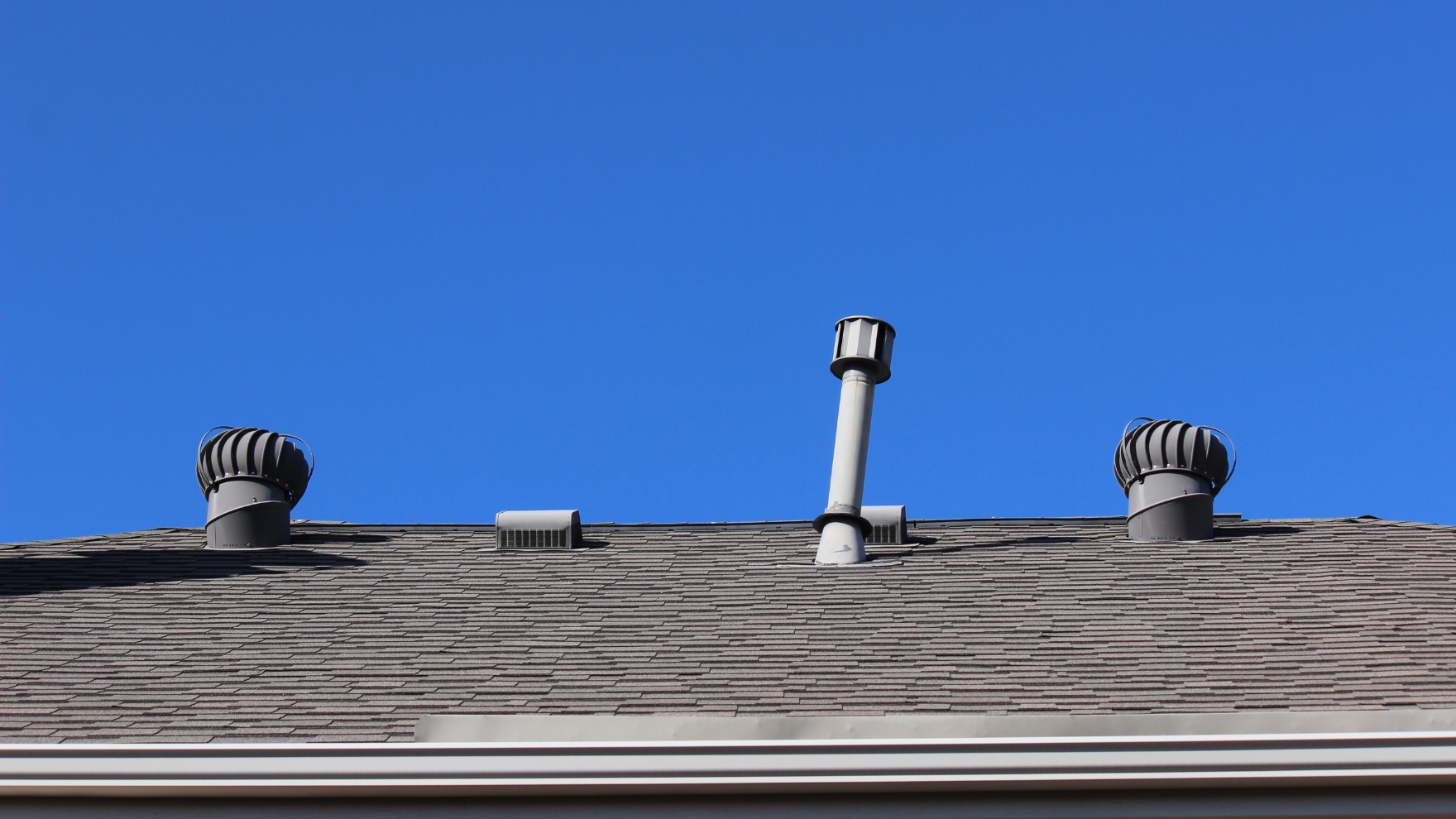
The core problem is not that you lack holes in the roof, it is that your vents are fighting each other instead of pulling air in one direction. When you combine different exhaust styles, such as a ridge vent with box vents or turbines, the stronger vent can pull air from the weaker one instead of from the soffits, which leaves humid air swirling in place. Contractors describe this as “short‑circuiting” the airflow, and it is the quiet mistake that traps moisture long term even on a roof that looks well equipped from the street.
Reporting on attic failures shows that roofs with mixed exhaust vents are especially vulnerable in winter, when warm indoor air rises and hits cold sheathing. Instead of being flushed out, that air is pulled from one vent to another, leaving pockets of condensation on the underside of the deck. Specialists who inspect these roofs often find that the fix is not a full tear‑off but correcting the airflow pattern, a point echoed by roofers who warn that fix is not when nails are rusting or insulation is damp.
How trapped humidity quietly destroys your roof
Once air stops moving correctly, humidity turns your attic into a slow‑motion water problem. Warm, moist air from living spaces rises, cools against the roof deck and releases water droplets that soak into wood and insulation. Over time, that repeated wetting and drying cycle can rot sheathing, corrode fasteners and flatten insulation so badly that your energy bills climb even before you see visible stains.
Roofing specialists describe this as Hidden Threat of, especially in climates like Central Texas where warm, moist air is present year round and can condense under shingles. When that moisture lingers, it sets up the conditions for long term water damage, even if your shingles are relatively new. Inspectors who specialize in attic ventilation problems note that the earliest clues are often subtle, such as slightly darkened sheathing around fastener points or a musty smell near access hatches, long before you see active leaks.
Why soffit intake matters more than extra vents
If you think of ventilation as a system, the soffits are the lungs. Without steady intake at the eaves, exhaust vents have nothing fresh to pull, so they start drawing air from wherever they can, including other vents or gaps in the ceiling. That is why simply adding more roof vents rarely helps. What you need is a clear, continuous path for outside air to enter low and exit high, which keeps the attic close to outdoor temperature and sweeps moisture out before it condenses.
Contractors who investigate attic moisture repeatedly trace the problem back to Common homeowner mistakes such as Blocking soffit vents with new insulation or covering baffles during air sealing. When that intake is choked off, even a generous ridge vent cannot perform, and moisture builds up around penetrations where warm air leaks through. Another analysis of winter damage lists enough intake ventilation and Blocked soffit vents as primary reasons attics stay damp for months.
The hidden role of bathroom and dryer exhausts
Even a well balanced roof system will struggle if you are dumping steam and lint into the attic itself. Bathroom fans and dryer ducts are supposed to carry moist air outdoors, but in many homes they stop short, ending just under the roof deck or near a gable vent. That shortcut saves a little ductwork but sends concentrated humidity into the very space you are trying to keep dry, which accelerates condensation on cold surfaces.
Moisture specialists warn that bathroom and dryer lines must terminate outside the building shell, not in the attic, if you want to stay ahead of mold and moisture problems. Case studies of exhaust systems show how warm, moist air from a bathroom fan can travel through a duct, hit a colder surface and create a common issue of internal condensation that drips back into insulation and framing. Another technical breakdown of bathroom vent mistakes notes that improper venting and poor duct insulation can encourage mold growth and reduce indoor air quality, highlighting the potential issues when these fans are not routed correctly.
How to spot that your attic is already in trouble
You do not need lab equipment to see when ventilation is failing, but you do need to know where to look. Mold rarely appears in the middle of a clean, dry deck. Instead, it tends to bloom where air should be moving fastest, such as along soffits, in corners and around vents. If you see dark spotting or fuzzy growth in those zones, your system is not just underperforming, it is actively trapping moisture where it should be flushing it away.
Inspectors describe Clustering in Corners or Around Vents as a classic warning sign, especially when Mold appears near soffit vents where airflow should be strongest. Another guide to attic problems advises homeowners to check for visible mold, damp insulation and rusted fasteners as the simplest answer to the question of How do I if my attic is properly ventilated. If you see any of those indicators, you are likely dealing with a systemic ventilation issue rather than a one‑off spill or minor leak.
The intake–exhaust balance you actually need
To stop moisture from lingering, you need a predictable path: cool air in at the soffits, warm air out at the ridge or another single exhaust type. That balance is more important than hitting a specific vent count. If you oversize exhaust without matching intake, the system will pull air from conditioned spaces or from other vents, which undermines both energy efficiency and moisture control. If you oversize intake without enough exhaust, stale air stagnates near the peak and condensation still forms.
Ventilation experts stress that Moisture buildup caused exhaust is one of the most expensive errors, because it quietly shortens the life of the roof deck and shingles. Another detailed breakdown of attic failures lists Too many exhaust vents and Imp roperly balanced systems as key reasons winter moisture damage shows up even on relatively new homes. The goal is not to flood the roof with hardware, but to design a simple, continuous flow that matches intake and exhaust capacity.
Why mixing exhaust types backfires
Adding a new vent style on top of an existing system feels like an upgrade, yet it often creates the very trap you are trying to avoid. When you cut in a power fan or a row of box vents above a functioning ridge vent, the new openings can become the easiest source of air for the fan, turning the ridge into an intake instead of an exhaust. That reversal pulls weather and debris into the attic and leaves humid air swirling in dead zones where it condenses on the deck.
Roofing pros who focus on long term fixes recommend that you Standardize Exhaust Vent instead of combining different models. They describe this as One of the most common ventilation mistakes, because homeowners assume more vents equal more protection. A separate analysis of installation errors highlights Underestimating the Need that are properly placed and coordinated, rather than scattered across the roof in competing patterns. When you simplify to one exhaust style and pair it with clear soffit intake, you remove the internal tug‑of‑war that keeps moisture trapped.
Bathrooms, water closets and the myth of “small fan, small risk”
Inside the house, you may assume that a tiny water closet or ensuite with a compact fan cannot do much harm if the ductwork is not perfect. In reality, those small, enclosed rooms generate intense bursts of humidity that can overwhelm a poorly routed vent. If the duct terminates in the attic or leaks along the way, each shower or flush adds another plume of moisture to the space above your ceiling, where it can condense on cold framing and feed mold.
Home improvement specialists point out that These spaces are usually enclosedimproper venting and poor insulation around these ducts can reduce system efficiency and encourage mold growth, which then shows up as staining on the ceiling or a persistent musty odor.
Practical steps to break the moisture trap
Once you understand how the trap works, the path out is methodical rather than dramatic. Start by mapping your current system: count soffit vents, identify every exhaust type on the roof and trace each bathroom and dryer duct to its end point. Your goal is to confirm that intake is open and continuous, that you are using a single style of roof exhaust and that every interior fan terminates outdoors with insulated ductwork that slopes slightly to prevent internal pooling.
Guides aimed at homeowners emphasize that you should Check ventilation paths and Ensure bathroom, dryer and other exhaust lines are not dumping into the attic if you want to stay ahead of mold. When you do need to adjust the roof system, specialists recommend Improving Exhaust Ventilation by standardizing vent types and sizing them correctly for the attic volume, rather than simply adding more hardware. Moisture experts also advise that if you are unsure whether your attic is properly ventilated, the Frequently Asked Questions on inspection practices all point to the same answer: visible mold, damp insulation and rusted fasteners mean you should bring in a licensed contractor to redesign the system before the next season locks in another cycle of condensation.
Like Fix It Homestead’s content? Be sure to follow us.
Here’s more from us:
- I made Joanna Gaines’s Friendsgiving casserole and here is what I would keep
- Pump Shotguns That Jam the Moment You Actually Need Them
- The First 5 Things Guests Notice About Your Living Room at Christmas
- What Caliber Works Best for Groundhogs, Armadillos, and Other Digging Pests?
- Rifles worth keeping by the back door on any rural property
*This article was developed with AI-powered tools and has been carefully reviewed by our editors.