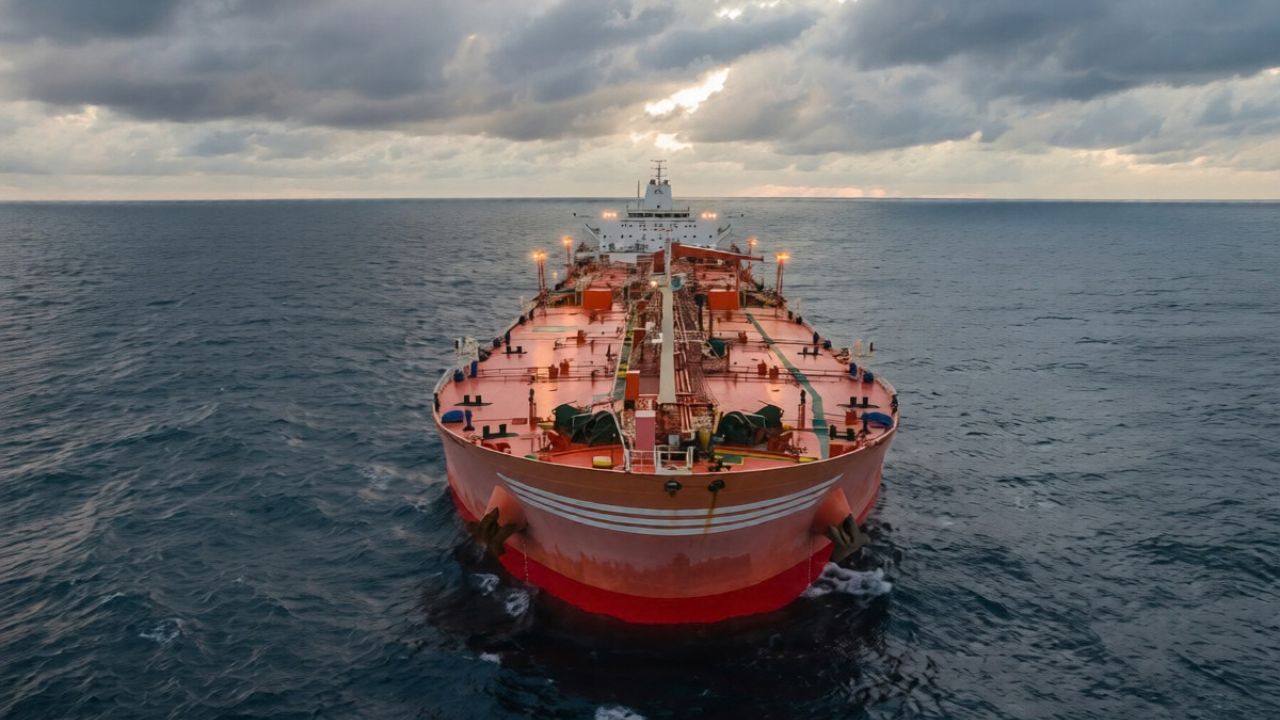
U.S. allies weigh response as Iran conflict threatens global oil routes
The Iran war has turned the Strait of Hormuz into a chokepoint again, and U.S. partners are scrambling to decide how far they will go to keep oil moving. With tanker traffic slashed, prices jumping and threats of further escalation, allies from Europe to Asia are weighing military escorts, emergency stockpiles and even new trade corridors.
Their choices will shape not only the course of the conflict but also how painful the shock feels at gas pumps and factory floors from Detroit to New Delhi.
Oil prices surge as tankers halt
Oil markets reacted first and fastest to the fighting around the Strait of Hormuz, the narrow channel that links Gulf producers to global buyers.
Analysts say crude has jumped as much as 29 percent in recent days as traders priced in both disrupted flows and the risk that the conflict around Iran could widen across the Middle East.
One assessment described a spike of nearly one third in benchmark prices before a modest pullback, after the Group of Seven signaled it might act to stabilize supply and calm markets.
Even after that retreat, traders warned that as long as the Strait of Hormuz remains heavily disrupted, volatility will be the norm rather than the exception.
Ship tracking data shows how quickly the war has choked off traffic.
During the initial phase of the 2026 Strait of Hormuz crisis, tanker movements fell by 70%, a collapse that effectively closed the route for commercial planning and sent insurers scrambling to reprice risk.
More recent reports describe the passage of oil tankers through the strait brought to a virtual standstill, with many captains refusing to sail until they see a sustained improvement in the security picture.
Strait of Hormuz crisis reshapes security choices
The Strait of Hormuz has long been the place where energy security and military strategy intersect, and the current crisis has made that link painfully clear.
Earlier this year, the effective closure of the Strait of Hormuz, a vital artery for exports from producers such as Saudi Arabia, Qatar and the United Arab Emirates, triggered warnings of a broader energy crunch.
Officials described how the crisis sent shockwaves through financial markets and sparked fears of downturns in oil importing nations that rely heavily on Gulf crude.
The United States has already begun to shift from deterrence to direct protection of shipping.
President Donald Trump ordered Washington to provide risk insurance for Gulf maritime trade and said the Navy would escort tankers through the Strait of Hormuz, a move meant to reassure both shipowners and nervous allies.
Energy Secretary Chris Wright later highlighted that the Navy had already escorted at least one oil tanker through the strait, presenting the operation as a necessary investment in global stability rather than an expense.
Iran responded with its own warning, vowing what officials called an “eye for an eye” approach if the United States or Israel targeted its infrastructure, a signal that any expanded escort mission could invite further retaliation.
Inside Iran, the war has already hit energy facilities.
Images have shown flames rising from an oil storage facility south of Tehran after strikes on the capital during the U.S. Israeli military campaign, a reminder that production sites as well as transport routes are now in the line of fire.
Regional attacks on refineries and export terminals add another layer of risk for importers that had once focused mainly on piracy and technical accidents.
Allies juggle energy security and escalation fears
The shock is radiating through allied capitals that depend on Gulf barrels but want to avoid being pulled directly into the war.
European governments have called emergency meetings of oil and gas supply groups on the Middle East crisis, warning that a prolonged conflict could trigger a spike in inflation that might choke off economic recovery in Europe and Asia.
One joint assessment said the conflict risks derailing fragile growth if energy costs keep climbing and central banks are forced to keep interest rates higher for longer.
In Asia, large importers are scrambling for alternatives.
India has been canvassing suppliers from Africa and the Americas to offset lost Gulf shipments, while also weighing how much strategic crude it can release without leaving itself exposed if the war drags on.
Officials in New Delhi have also been watching moves by Saudi Arabia to reroute some exports through pipelines that bypass Hormuz, a partial cushion but not a complete substitute for normal flows.
Pakistan faces a different but related dilemma.
As a lower income, energy importing country, it is highly exposed to price spikes and supply disruptions, yet it also sits near the geographic and political fault lines of the conflict.
Islamabad has been trying to balance ties with Gulf partners, Western lenders and its neighbor Iran, while also managing domestic pressure over fuel prices and power cuts that could follow a sustained shock, a challenge that has put Pakistan under intense scrutiny.
Across the Atlantic, U.S. allies are also watching the political messaging from Washington.
President Trump has publicly described the Iran war as a short term excursion that will end soon, even as he has also said the conflict will not end until the enemy is decisively defeated.
That mixed tone has left some partners unsure how long they must plan to sustain emergency energy measures and whether they should prepare for a negotiated off ramp or a longer campaign.
Market swings and coordinated responses
The immediate effect of the crisis has been wild price swings.
Crude benchmarks have spiked as the broadening Iran war threatens both transport routes and production, then retreated slightly when the Group of Seven signaled it could intervene to ease supply concerns.
One analysis described how oil prices fell as G7 leaders floated coordinated stockpile releases and relaxed some shipping rules, although the Strait of Hormuz remained heavily disrupted and traders warned that any relief could be temporary.
Energy economists say the combination of lost barrels, higher insurance costs and rerouting through longer, more expensive paths is feeding directly into consumer prices for gasoline, diesel and aviation fuel.
U.S. partners are considering several tools to blunt the shock.
European Union members have discussed joint purchases of liquefied natural gas and faster deployment of renewables to reduce reliance on imported fossil fuels from the Middle East.
Asian buyers are exploring swap deals that would see supplies redirected from less affected regions in exchange for future deliveries once the Strait of Hormuz reopens at scale.
Some governments are also quietly reviewing fuel tax policies and subsidies to cushion politically sensitive price increases without fully shielding consumers from the signal to conserve.
For Washington, the question is how much it can ask allies to contribute to maritime security while they are already straining to manage economic fallout.
Trump has urged partners to send more naval assets to the Gulf and to share the burden of escorting commercial vessels, arguing that they benefit directly from safe passage through the Strait of Hormuz.
Yet many capitals fear that a heavier military footprint could turn their ships into targets and make de escalation harder, especially after Iran’s vow of eye for an eye retaliation.
Behind the scenes, diplomats say the Group of Seven and key Asian importers are trying to link security steps with economic support.
Ideas on the table include coordinated releases from strategic reserves, credit lines for vulnerable importers and joint messaging to reassure markets that major consumers will not allow a disorderly scramble for barrels.
Whether that is enough will depend on developments on the ground, from the pace of U.S. Israeli operations to Iran’s willingness to avoid direct attacks on tankers.
For now, the war has laid bare how exposed the global economy remains to a single maritime bottleneck and to conflict around one major producer.
U.S. allies are discovering that their response cannot be limited to patrols and convoys; it must also include faster diversification away from chokepoints, more flexible supply chains and a clearer strategy for the next time the Strait of Hormuz falls quiet.
Like Fix It Homestead’s content? Be sure to follow us.
Here’s more from us:
- I made Joanna Gaines’s Friendsgiving casserole and here is what I would keep
- Pump Shotguns That Jam the Moment You Actually Need Them
- The First 5 Things Guests Notice About Your Living Room at Christmas
- What Caliber Works Best for Groundhogs, Armadillos, and Other Digging Pests?
- Rifles worth keeping by the back door on any rural property
*This article was developed with AI-powered tools and has been carefully reviewed by our editors.