U.S. launches investigations into trade practices of 16 foreign partners
The United States has opened a sweeping set of trade investigations into the practices of 16 major foreign partners, reviving tariff tools that defined an earlier phase of confrontation over imports. The move signals a fresh attempt to reshape global supply chains and industrial policy through aggressive use of trade law, with potential consequences for everything from electric vehicles to basic metals.
The probes focus on whether foreign governments are fueling excess industrial capacity that spills into global markets and undercuts factories in the United States. They could culminate in new tariffs on a wide range of products if officials decide that partners are engaging in unfair practices.
Section 301 returns to center stage
The Trade Representative has triggered the actions under a provision of the Trade Act known as Section 301, which lets the United States impose tariffs on foreign countries that it finds to be violating trade commitments or harming American commerce. The same statute underpinned the earlier tariff waves that hit hundreds of billions of dollars in imports.
According to a federal notice, the Trade Representative initiated the new investigations on Mar 11, with USTR planning to open public dockets for comments shortly afterward so companies and workers can describe how foreign production affects them. The document from USTR lists industrial sectors such as steel, aluminum, autos and green technologies as central to the review, tying the effort to concerns that foreign subsidies are distorting global prices.
Sixteen partners under scrutiny
Officials have confirmed that the Section 301 effort covers 16 of the United States’ most important trading partners, a group that includes China, the European Union, India, Japan, South Korea and Mexico. A separate summary of the action describes these economies as both key export markets and major sources of imported manufactured goods, which magnifies the stakes for global commerce.
The list also reaches into smaller but strategically important hubs such as Taiwan, Singapore, Switzerland and Norway, alongside emerging manufacturing centers like Vietnam, Thailand, Malaysia, Indonesia, Bangladesh and Cambodia. Economies such as the European Union and these Asian partners have become central nodes in supply chains for semiconductors, batteries and solar equipment, helping explain why Washington is now probing their industrial capacity.
In parallel with the capacity review, the administration has also opened a second investigation into alleged forced labor in supply chains that could touch about 60 countries. That step extends the trade agenda beyond subsidies and into human rights, raising the possibility of import restrictions that target both economic and ethical concerns.
China, India and other major players
China sits at the center of the debate, as it did during the earlier tariff battles. Officials argue that excess capacity in sectors such as steel, aluminum and clean-energy equipment in China has flooded global markets and depressed prices, making it harder for factories in the United States and other countries to compete. The new probe explicitly ties Chinese industrial policy to concerns about surging exports of electric vehicles, batteries and solar components.
India is also a central target, reflecting its growing role as both a manufacturing alternative to China and a fast-rising exporter in its own right. The United States has launched new Section 301 investigations into 16 major trading partners including India and China, highlighting concerns that generous incentives for sectors such as electronics and autos could shift production at the expense of American plants.
Other Asian partners, including Japan, South Korea, Taiwan, Vietnam, Thailand, Malaysia, Singapore and Indonesia, are under review for similar reasons. Many of these economies have ramped up support for chipmaking, battery cells and car exports, and Washington now wants to know whether that buildout has created industrial overhang that spills into the United States market.
Mexico, which has become a hub for auto and electronics assembly that feeds North American supply chains, is also part of the investigation list. Officials are examining whether tax breaks, energy pricing and other policies in Mexico and comparable partners tilt the playing field in ways that conflict with trade rules.
Trump seeks to rebuild tariff leverage
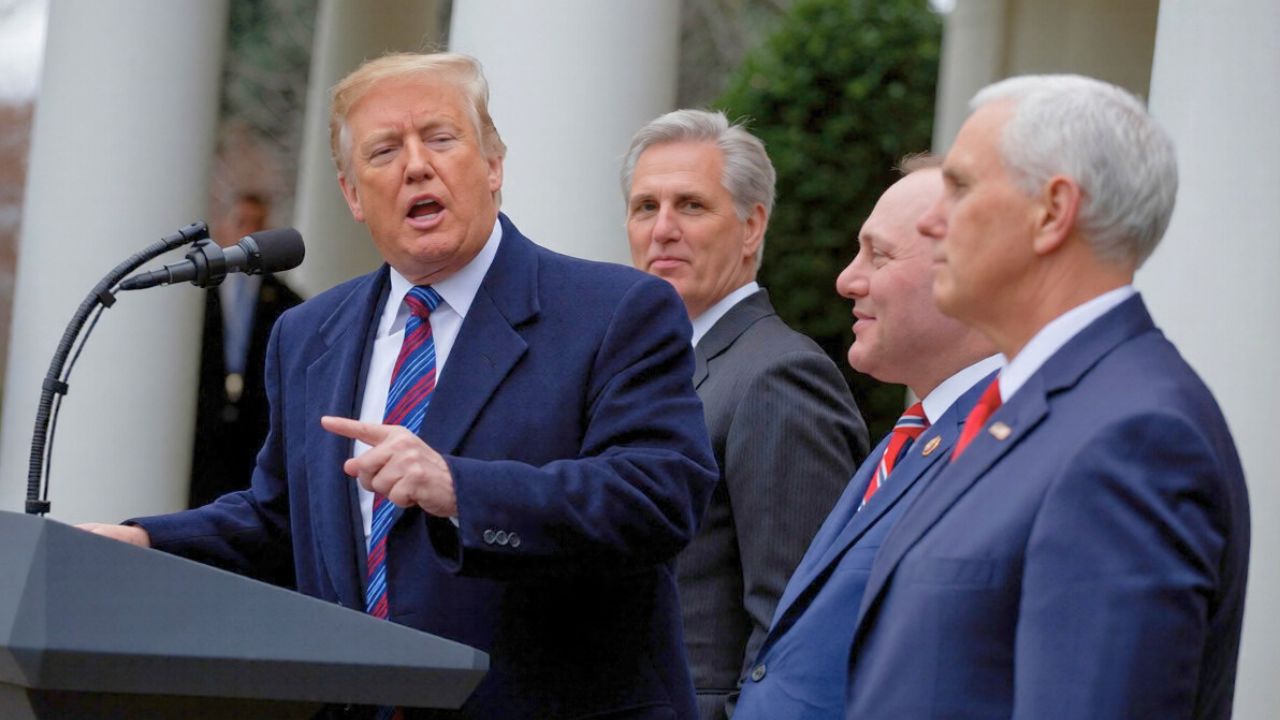
The administration of Donald Trump has framed the new Section 301 actions as a way to rebuild tariff leverage after earlier measures were curtailed. A series of court rulings, including a decision by the Supreme Court, limited some of the previous tariff programs and forced officials to rethink how to sustain pressure on trading partners.
President Donald Trump and his advisers have presented the new probes as a fresh start that could justify new tariffs without running afoul of those legal constraints. According to officials, the goal is to document specific harms to American companies and workers, then tailor any future tariffs or quotas to those findings rather than rely on the broad national security rationale used in the past.
In public comments, Trump has linked the investigations to a promise to restore factory jobs and revive industrial towns that lost plants during earlier waves of globalization. The administration argues that by targeting sectors where foreign capacity far exceeds domestic demand, it can curb what it sees as a deliberate strategy to offload surplus production into the United States market.
How the investigations will work
The Trade Representative has outlined a process that begins with information gathering from companies, unions and other stakeholders. According to the official notice from USTR, March 17 is the date when USTR will open dockets for submissions, allowing affected parties to describe how imports from the 16 partners have influenced prices, employment and investment decisions.
Investigators will then assess whether foreign governments are providing subsidies, cheap credit, tax relief or other support that leads to industrial capacity that exceeds what their own markets can absorb. If they conclude that such policies are causing harm to United States commerce, they can recommend tariffs, quotas or other measures, subject to review by the administration.
The forced labor component will follow a similar pattern, but with a focus on whether goods entering the United States contain inputs made with coerced or prison labor in any of the roughly 60 countries under scrutiny. That could lead to import bans on specific products or companies rather than broad countrywide tariffs.
Global reaction and economic stakes
Trading partners have already begun to respond. Officials in China, the European Union and India have warned that new tariffs could trigger retaliation, revive stalled disputes at the World Trade Organization and complicate cooperation on issues such as climate policy and security.
Business groups are split. Some manufacturers and unions in the United States support the move, arguing that it is necessary to counter what they describe as state-directed overproduction abroad. Others, particularly import-dependent retailers and technology firms, fear that new tariffs would raise costs, disrupt supply chains and invite countermeasures that hurt exports from sectors like agriculture and services.
Economists point out that many of the targeted economies are deeply integrated into United States production networks. Semiconductor plants in Taiwan and South Korea, for example, supply chips for American-made cars and electronics, while factories in Vietnam, Bangladesh and Cambodia produce apparel and footwear for United States brands. Tariffs on inputs from these partners could ripple through consumer prices and corporate investment plans.
A new phase of managed trade
The breadth of the Section 301 investigations suggests that Washington is moving further away from the old model of relatively open trade with limited intervention. Instead, the United States is edging toward a more managed system in which industrial policy, security concerns and labor standards shape which imports are welcome and which face penalties.
For the 16 partners under review, the coming months will be a test of how far the United States is willing to go in reshaping the terms of access to its market. For American companies and workers, the outcome will influence where factories are built, which products remain affordable and how the next chapter of globalization unfolds.
Like Fix It Homestead’s content? Be sure to follow us.
Here’s more from us:
- I made Joanna Gaines’s Friendsgiving casserole and here is what I would keep
- Pump Shotguns That Jam the Moment You Actually Need Them
- The First 5 Things Guests Notice About Your Living Room at Christmas
- What Caliber Works Best for Groundhogs, Armadillos, and Other Digging Pests?
- Rifles worth keeping by the back door on any rural property
*This article was developed with AI-powered tools and has been carefully reviewed by our editors.