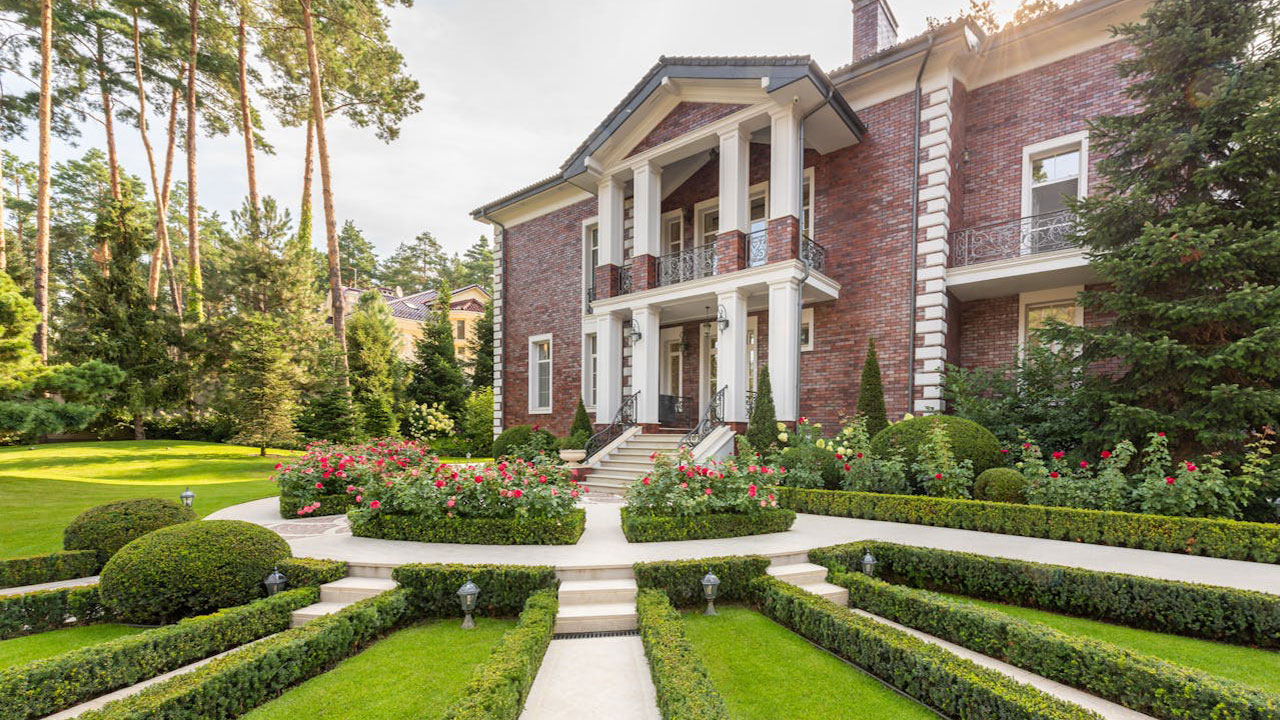
What billionaires buy that makes their houses feel more private
When you’ve got money to burn, privacy becomes the ultimate luxury. For billionaires, it’s not just about square footage or marble floors—it’s about keeping their lives separate from the outside world.
Whether they live on sprawling estates or in city penthouses, the rich spend big on creating homes that feel untouchable. But the strategies they use aren’t all out of reach. You can borrow a few ideas for your own home, even on a normal budget.
Gated driveways and private access roads
Most billionaire properties start with restricted access. Long, winding driveways, guarded gates, or private entry roads put distance between the home and anyone passing by. That distance does more than protect—it creates calm. Even if you can’t afford private security, a simple privacy gate, taller fencing, or landscaped entryway can give you that same tucked-away feeling at home.
Strategic landscaping
The rich don’t rely on standard fences for privacy—they use nature. Tall hedges, mature trees, and layered plantings block views while keeping things beautiful. Landscape designers often use elevation and shape to guide sightlines, making outdoor spaces feel enclosed without walls. You can do the same by planting fast-growing evergreens, using shrubs near windows, or adding trellises with vines to create natural barriers.
Hidden outdoor living spaces
Luxury homes often feature courtyards, enclosed patios, or sunken garden areas designed to be enjoyed in total seclusion. These spaces let owners spend time outside without being seen from the street or neighboring homes. Even on a small scale, a covered patio, pergola, or privacy screen can transform your backyard into a more private retreat.
Smart glass and automated shades
High-end homes increasingly use electrochromic or “smart” glass that tints automatically when someone approaches or when sunlight hits it. Combined with automated blackout shades, it gives homeowners control over visibility from inside and out. While the full systems can cost thousands, you can still borrow the idea by installing remote-controlled shades or reflective window film for added privacy and insulation.
Layered security disguised as design
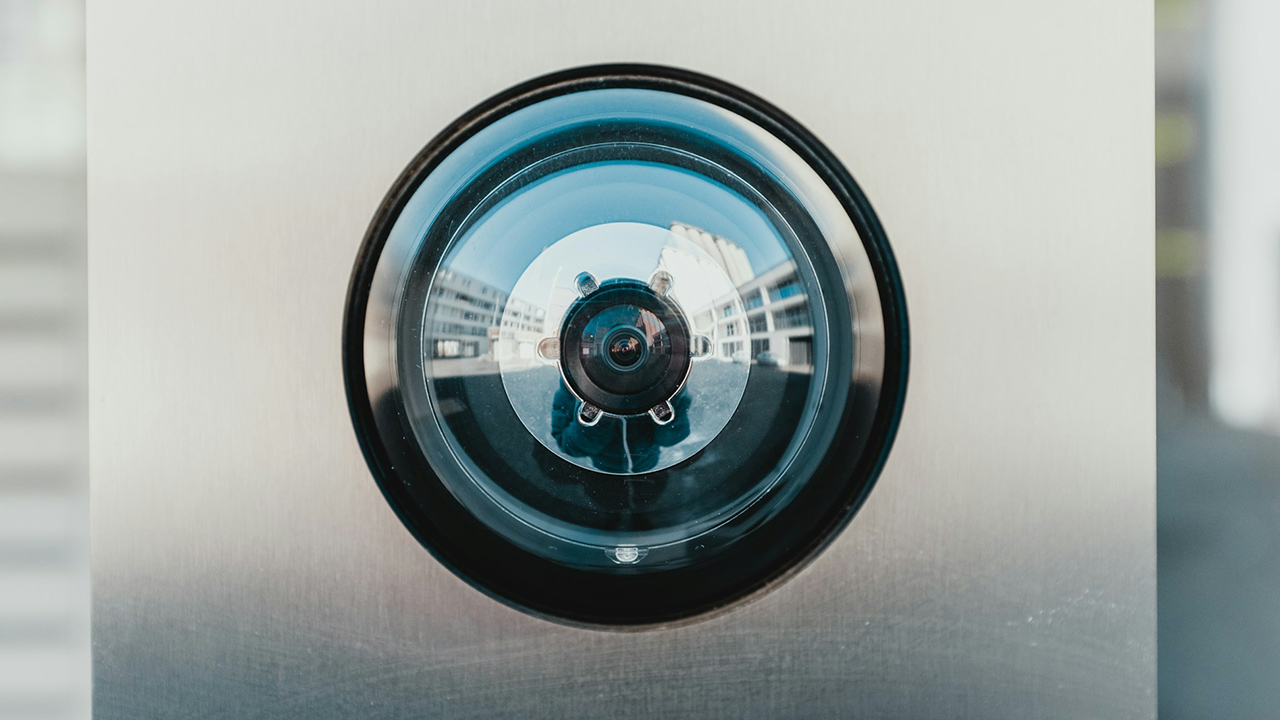
You won’t see a billionaire’s cameras or sensors out in the open. Their security systems are often hidden within architectural elements—behind stone walls, integrated into lighting, or disguised as landscaping features. This keeps the property feeling natural, not fortified. Homeowners can take a cue from this by using subtle cameras and motion lights that blend into the design instead of standing out.
Indoor layouts that conceal living areas
Many luxury homes are designed so that the main living areas can’t be seen from the front door or windows. Architects use angled hallways, partial walls, or offset floor plans to keep private areas truly private. Even without major remodeling, you can rearrange furniture or use screens and shelving units to create more privacy between entryways and living spaces.
Noise control
Privacy isn’t just about what people can see—it’s about what they can hear. Billionaires invest heavily in acoustic insulation, soundproof glass, and quiet HVAC systems to keep their homes peaceful. You can take smaller steps that make a big difference, like adding weather stripping, rugs, curtains, and upholstered furniture to reduce sound transfer between rooms or from the outside.
Outdoor barriers that don’t look like walls
Instead of standard fences, high-end homes often use terraced landscaping, water features, or stone retaining walls to subtly define boundaries. These add texture and privacy without feeling closed off. A small-scale version could be raised planters, garden walls, or lattice panels—functional and attractive without signaling you’re trying to hide.
Window placement and view control
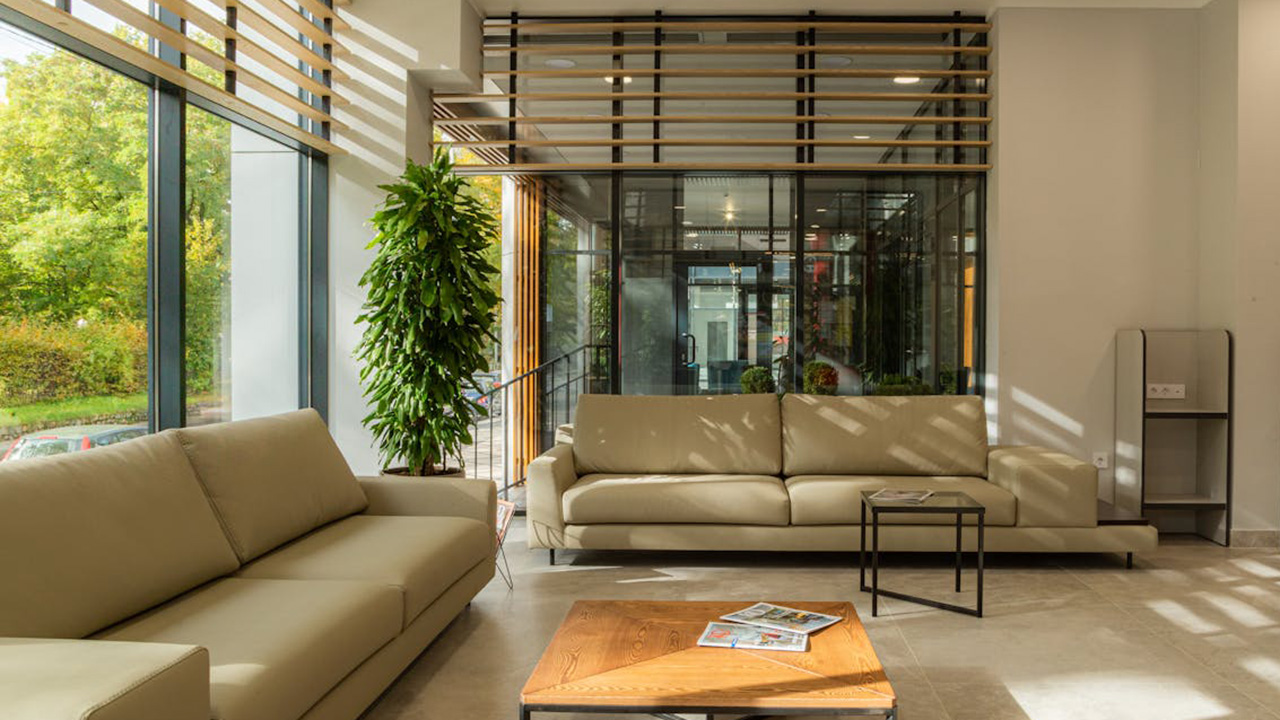
Architects working on luxury builds carefully place windows to capture light while limiting exposure. Large windows face scenic or private views, while smaller ones are used where privacy is key. You can replicate that balance by using frosted glass in bathrooms, installing transom windows for light, or hanging curtains strategically instead of covering everything completely.
Private guest quarters and workspaces
The wealthy love separation—guest houses, pool houses, and detached studios that let guests or staff stay nearby without invading the main living space. While most of us don’t have acres to work with, even a finished garage loft or detached shed can serve as a private workspace or guest area. That extra buffer helps everyone feel more comfortable and self-contained.
Like Fix It Homestead’s content? Be sure to follow us.
- Man Says He Found Out the Fence He Paid For Wasn’t Actually on His Property
- Woman Says Her Neighbor Started Taking Mulch From Her Delivery Pile Before She Could Even Spread It
- I made Joanna Gaines’s Friendsgiving casserole and here is what I would keep
- What Caliber Works Best for Groundhogs, Armadillos, and Other Digging Pests?
*This article was developed with AI-powered tools and has been carefully reviewed by our editors.