What Caliber Works Best for Groundhogs, Armadillos, and Other Digging Pests?
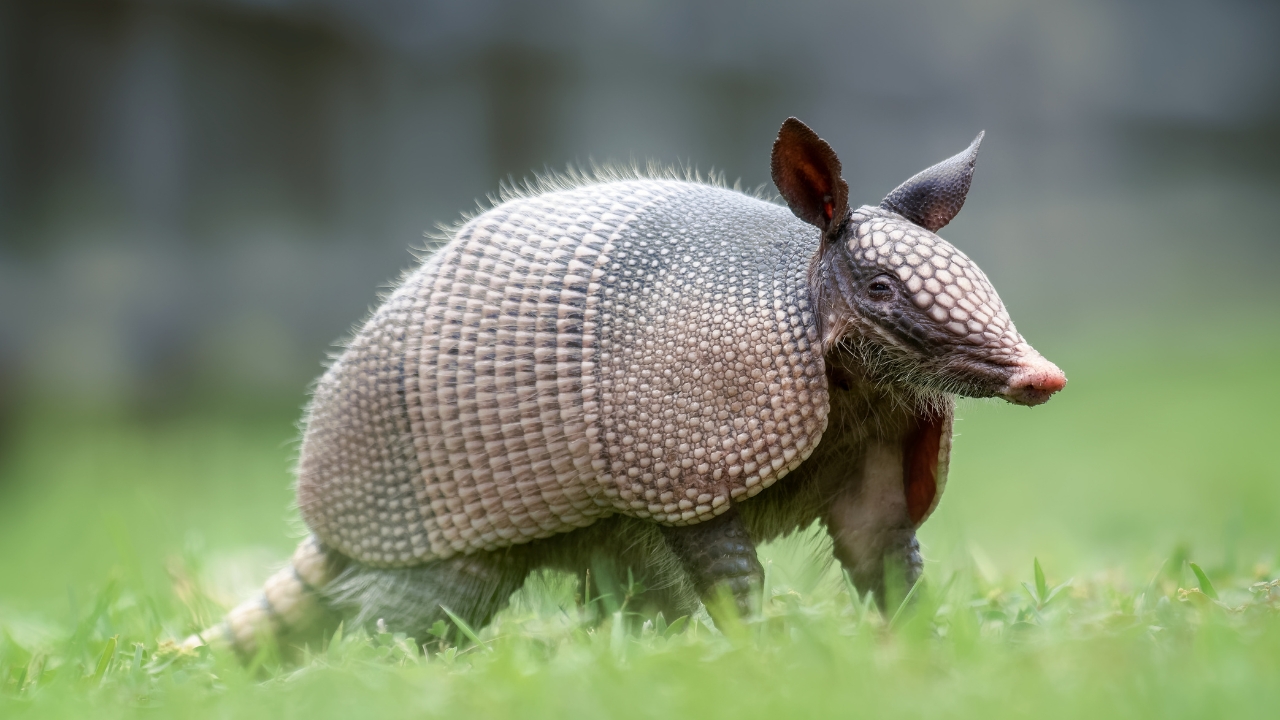
Digging pests are a special kind of headache. Groundhogs, armadillos, and similar critters don’t just tear up the yard—they go after roots, foundations, and anything you’ve tried to plant with care. The tricky part is they’re not huge animals, but they’re stubborn and tough, and they love to hang around barns, sheds, and fence lines.
That means you need a caliber that’s accurate, safe around buildings, and strong enough to anchor them without sending rounds off toward the neighbor’s place.
Start by thinking about where they dig, not just what they are
Groundhogs and armadillos love embankments, fence rows, and under decks and sheds. Those are spots where your backstop isn’t always perfect. Before you think caliber, you need to think angles and what’s behind that mound of dirt.
If you’re shooting toward a road, a pasture with livestock, or another homestead, you’ll want something that doesn’t carry forever and gives you tight control over where that bullet goes. For a lot of folks, that points you toward mild centerfire or rimfire options, not big-game cartridges.
Why .22 LR is “enough” sometimes—and why it often isn’t
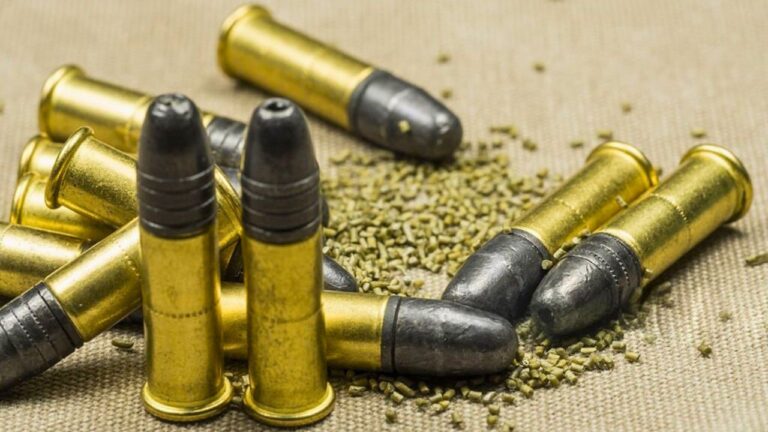
Plenty of digging pests have been dropped with a .22 LR. Inside 50–60 yards, with careful head or high-shoulder shots, it can absolutely work. It’s inexpensive, quieter, and less likely to get you unwanted attention from neighbors.
The downside is that groundhogs in particular are tougher than they look. If all you can see is a small part of their body, or if you’re dealing with longer ranges, .22 LR gives you very little margin for error. You may end up with more wounded animals than clean solves if you push it too far.
Why .22 WMR and .17 HMR are such solid “digger” rounds
For a lot of homesteads, .22 WMR (Winchester Magnum Rimfire) or .17 HMR are the sweet spot. They shoot flatter, hit harder than .22 LR, and still keep recoil and noise reasonable. They’re very at home in the 50–150 yard window where you’re most likely to see groundhogs and armadillos.
These calibers give you better penetration and cleaner kills on quartering or slightly off-angle shots. You still need a safe backstop and good judgment, but you’re not trying to thread a needle with a very soft, slow bullet.
When a light .223 Remington makes sense
If your digging pest problem overlaps with coyotes or you’ve already got a .223 in the safe, there’s nothing wrong with using it, especially in open areas. A light varmint bullet out of a .223 will absolutely handle groundhogs and armadillos, often with more authority than any rimfire.
The tradeoff is overkill at very close range, especially near barns and outbuildings. You really need to be respectful of your backstop and angles. For open hay fields or big ditches away from buildings, .223 is a very practical choice.
Matching the caliber to the animal and the yard
If you’re mostly dealing with close-in digging under decks, sheds, and low slopes, a good .22 WMR or .17 HMR is usually plenty—and gives you more safety margin around structures. If your pests are popping up along a distant tree line and you already patrol with a .223, that can be your go-to.
Either way, the best “groundhog and armadillo caliber” is the one you can shoot accurately, afford to practice with, and use safely around your actual barn, kids, and neighbors.
Like Fix It Homestead’s content? Be sure to follow us.
- I made Joanna Gaines’s Friendsgiving casserole and here is what I would keep
- Pump Shotguns That Jam the Moment You Actually Need Them
- The First 5 Things Guests Notice About Your Living Room at Christmas
- What Caliber Works Best for Groundhogs, Armadillos, and Other Digging Pests?
- Rifles worth keeping by the back door on any rural property
*This article was developed with AI-powered tools and has been carefully reviewed by our editors.