What Caliber Works Best When You’re Shooting Around Fences, Gates, and T-Posts?
When you shoot around fences, gates, and T‑posts, the real question is not just what hits the animal, but what happens when a bullet misses or clips steel on the way. The right caliber and bullet design can mean the difference between a clean, controlled impact and unpredictable fragments whipping back toward you or your equipment. Thinking through that risk before you load a magazine is the mark of a careful landowner and a disciplined shooter.
Instead of chasing raw power, you are better served by cartridges and loads that behave predictably when they meet metal, wood, or hard ground. That means balancing velocity, bullet construction, and distance so your shots around farm infrastructure stay effective on varmints yet forgiving when something goes wrong.
Why Fences and T‑Posts Change the Caliber Conversation
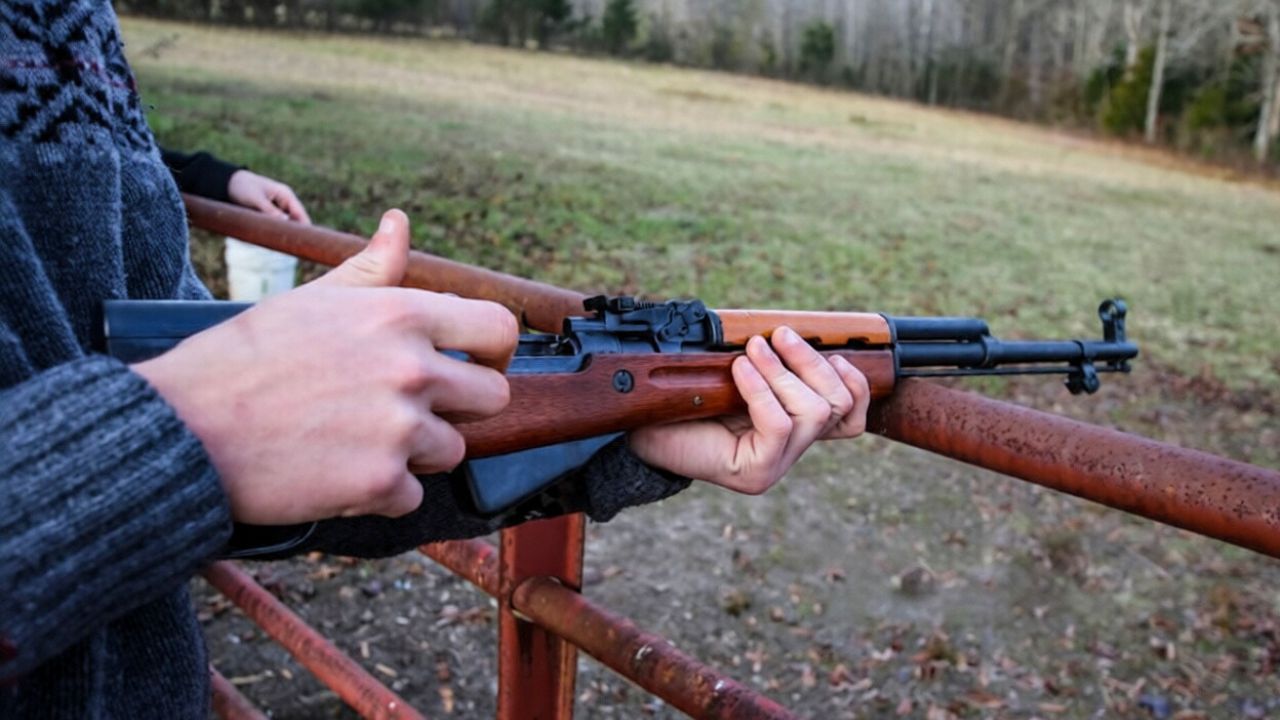
Most varmint and predator rifles are set up for open fields, not cluttered fencelines. Once you start shooting along a barbed‑wire run or through a gate opening, every strand of wire, every hinge plate, and every T‑post becomes a potential deflector. A bullet that would have sailed safely into a dirt berm can suddenly hit steel at an odd angle and send fragments in unexpected directions, including back toward the firing line. That reality should push you to think less about maximum range and more about how your chosen caliber behaves when something interrupts its path.
Ricochets are not a theoretical problem. Guidance on Explanation of Safety Hazard around steel targets notes that Projectiles that hit metal squarely tend to break into fragments that deflect away at shallow angles, but glancing hits can behave far less predictably. A T‑post or gate strap is essentially a small, poorly angled steel target, so you should assume that any impact on it can send pieces of jacket or lead off at high speed. That is why the best caliber for this kind of work is not simply the flattest shooter, but the one that limits dangerous splash when something goes wrong.
How Ricochets Actually Work Around Steel and Wire
To choose a sensible caliber, you first need a realistic picture of what happens when a bullet meets steel. When a projectile hits a flat, hardened plate at a proper angle, most of the energy is spent breaking the bullet apart and sending fragments out in a predictable cone. However, when the impact surface is small, rounded, or angled, such as a T‑post flange or a sagging gate hinge, the bullet can skid, yaw, or partially fragment, sending pieces in a much wider arc. That is exactly the geometry you face when you shoot along a fence line.
Specialists who study steel impacts stress that Do Bullets Ricochet Off Steel Targets is not a trick question, because the answer is yes, they do, and the risk grows when the steel is pitted, too hard, or struck at a shallow angle. Safety guidance explains that fragments can “bounce back” toward the shooter if the setup is wrong, which is exactly what a random T‑post represents. That is why formal steel‑target rules insist that shooters ALWAYS maintain minimum distances and angles. When you translate that to pasture shooting, it argues strongly for milder calibers and frangible bullets whenever you are working close to metal.
Lessons From Steel Target Ranges You Can Apply on the Farm
Even if you never shoot formal matches, the rules that govern steel target ranges are a blueprint for staying safe around fences and gates. Range operators design their layouts so that bullets hit steel squarely, at known distances, and with controlled velocities. They also specify which calibers are allowed on which targets, because too much speed or mass can crater the steel and dramatically increase the chance of unpredictable splash. Your fenceline is not a range, but the same physics apply when a bullet clips a T‑post on its way to a coyote.
One commercial facility’s Range Limitations on Calibers, Velocities Allowed cap rifle use on steel at .30 caliber and 3,200 feet per second at the muzzle, precisely to reduce damage and ricochet risk. Steel‑target manufacturers echo that logic, advising shooters to What to do in a Case of Ricochets, including stopping fire immediately if bullets start coming back. When you are shooting around farm hardware that you cannot angle or control, it makes sense to stay on the conservative side of those limits, favoring cartridges that run slower and lighter rather than faster and heavier.
Why Smaller, Faster Varmint Rounds Behave Differently
Varmint cartridges are built for precision and explosive terminal performance on small animals, not for punching through barriers. That design bias can work in your favor when you are near fences, because bullets that are meant to fragment rapidly in tissue also tend to come apart quickly when they hit steel or wire. Instead of a heavy slug that can ricochet intact, you are more likely to see a cloud of small fragments that lose energy quickly, especially if you keep your shooting distances sensible.
Technical guidance on choosing varmint loads notes that bullets need not be large to be effective on pests, and that high‑velocity rimfires are a great option for close‑range work. Analysts who rank the top small‑game cartridges point out that Aug guidance on varmint calibers emphasizes accuracy, speed, and distance, but also notes that if you are aiming for coyotes or animals on the larger end of the spectrum, you may step up in power. Around fences, that trade‑off should be deliberate: you want enough energy to anchor the animal, but not so much that a miss or a deflection sends a still‑lethal bullet sailing into the next pasture.
Rimfire Around Fences: Where .22 LR and .17 HMR Shine
For many landowners, the safest and most practical answer near gates and T‑posts is a rimfire rifle. A .22 Long Rifle or .17 HMR gives you useful reach on raccoons, skunks, and close‑range foxes, yet the lighter bullets shed energy quickly if they hit wire or steel. That does not make them harmless, but it does reduce the danger zone compared with a centerfire .22‑250 or .243 Winchester. Rimfires also tend to be quieter and easier to shoot accurately, which matters when you are threading shots through narrow gaps in a fence.
Guides for small‑game shooters explain that Sep advice on .22 LR notes that most factory loads are designed for general‑purpose varmint control, making them a natural fit for pests that raid barns or chicken coops. The same guidance stresses that Varmints such as raccoons and groundhogs can be handled effectively if you choose the right bullet weight and velocity, whether you are working inside a yard or along a fence. When you are shooting from a tractor lane with T‑posts on both sides, that balance of modest power and quick energy loss is exactly what you want.
Centerfire Choices When You Need More Reach
There are times when a rimfire simply will not do, especially if you are dealing with coyotes across a big pasture or feral hogs that refuse to come close. In those cases, you may reach for a centerfire varmint round, but you should still think about how it behaves around steel. Cartridges like .223 Remington, .204 Ruger, and .22‑250 Remington are popular because they shoot flat and hit hard on small targets, yet their light, fast bullets also tend to fragment violently on impact, which can be an asset if a shot clips a gate upright.
Varmint specialists point out that Dec discussions of top varmint hunting cartridges highlight how .223 Remington with bullets from 24 to 45 grains offers a useful mix of reach and manageable recoil. The same analysis notes that However, not all varmint hunting is the same across the country, and you need to think about what you actually require. Around fences, that means asking whether you truly need a 400‑yard coyote rifle, or whether a milder .223 with a frangible bullet at moderate velocity will cover your real‑world shots while limiting the risk if a round glances off a T‑post.
Adapting Steel‑Target Safety Rules to Pasture Shooting
Even with the right caliber, you cannot ignore basic geometry and distance. Steel‑target safety rules exist because people have been injured by fragments that came back from poorly set plates, and those same lessons apply when you are shooting near farm hardware. You should think in terms of minimum safe distances, angles that direct any splash away from you, and backstops that can safely absorb a bullet that passes through or misses the animal entirely.
Formal guidance on Safety Rules When Shooting Steel stresses that shooters must ALWAYS wear eye and ear protection and keep handgun fire on steel at 10 yards and further, with rifles pushed even farther back. Another manufacturer advises you to Install the steel setup in an open location, because There is always a chance that bullets can deviate from their intended path. When you are shooting along a fence, you rarely control the angle of the metal, so the only levers you truly have are caliber choice, distance, and whether you are willing to pass on marginal shots that run too close to posts or wire.
Practical Caliber Recommendations for Real Fenceline Scenarios
Once you blend all of this guidance, a pattern emerges. For close‑range pest control around barns, corrals, and tight fencelines, a .22 LR or .17 HMR with a quality varmint bullet is often the safest and most efficient option. The lighter projectiles are fully capable of handling small animals at modest distances, yet they lose energy quickly if they hit a strand of wire or a gate latch. When you step back into open pasture and your shots stretch out, a .223 Remington with a light, rapidly expanding bullet gives you more reach without the over‑penetration risk of heavier big‑game rounds.
Varmint ammunition experts emphasize that rimfires are a great option for general‑purpose pest control, precisely because they combine accuracy with modest recoil and manageable energy. Broader overviews of varmint calibers explain that There are three main factors to weigh when choosing a varmint cartridge, including accuracy, speed, and distance, and that if you are aiming for animals on the larger end of the spectrum you may need to step up in power. Around fences, you should add a fourth factor to that list: how the bullet behaves when it hits steel. If you keep that question at the center of your decisions, your caliber choices will naturally shift toward loads that are not only effective on varmints, but also more forgiving when the real world of gates and T‑posts intrudes on your perfect shot.
Like Fix It Homestead’s content? Be sure to follow us.
Here’s more from us:
- I made Joanna Gaines’s Friendsgiving casserole and here is what I would keep
- Pump Shotguns That Jam the Moment You Actually Need Them
- The First 5 Things Guests Notice About Your Living Room at Christmas
- What Caliber Works Best for Groundhogs, Armadillos, and Other Digging Pests?
- Rifles worth keeping by the back door on any rural property
*This article was developed with AI-powered tools and has been carefully reviewed by our editors.