What Caliber Works Best When You’re Shooting From the Porch or Deck?
From the first step out the back door, shooting from a porch or deck is about control, context, and courtesy as much as it is about power. You are close to your house, often near family, neighbors, pets, and outbuildings, so the “best” caliber is the one that solves your problem without creating three new ones. That means thinking carefully about recoil, noise, overpenetration, and what you are actually trying to hit before you ever touch the trigger.
Instead of chasing the biggest number on a box of ammo, you are better served by matching cartridge, platform, and distance to the real-world tasks that come up around a home. Whether you are dispatching pests, ringing steel on the back fence, or dealing with a serious threat, the right caliber from the porch is the one you can place precisely, manage safely, and afford to practice with often.
Start With Purpose, Not Hype
When you shoot from a deck or porch, you are not on a distant ridgeline or a manicured public range, you are in the middle of your own living space. That makes your primary question simple and nonnegotiable: what is the specific job you need the gun to do from that spot? A cartridge that is ideal for a 300 yard coyote stand may be a poor choice for a 20 yard skunk under the bird feeder, and a round that shines on steel plates might be reckless for a shot that could send a miss into a neighbor’s siding. Guidance on Choosing the Right Caliber for range work stresses that you should match ammunition to your specific shooting needs and preferences, and that same logic applies even more tightly when you are shooting from home.
Thinking in terms of “Purpose of Use” helps you sort calibers into roles instead of chasing a mythical do‑everything round. If your porch gun is mostly for informal practice and small pests, a mild rimfire or light centerfire makes sense. If you are worried about two or four legged predators at the tree line, you may want something with more reach and authority. Advice that tells you to Consider the most important thing as how you plan to train and how often you will shoot is especially relevant here, because a porch gun that you cannot afford to practice with, or that you dread firing, will not be much help when you actually need it.
Why Rimfire Keeps Showing Up on the Porch
Ask homesteaders what they actually keep by the back door and you see a pattern: light, handy rimfires that are cheap to feed and easy to shoot. In one discussion of “porch guns,” a commenter simply called the tried and true 22lr their go‑to, and another pointed to a Ruger 10/22 as the practical answer. That is not nostalgia, it is a recognition that a .22 Long Rifle gives you low noise, minimal recoil, and enough precision to humanely handle small pests or knock over cans without rattling every window on the block.
Rimfire’s appeal is even clearer when you look at how often the .22 LR (Long Rifle) is recommended for new shooters. One guide flatly notes that the .22 LR is widely known as the best caliber for beginners, precisely because it is affordable, soft shooting, and forgiving of mistakes, even if it has limited stopping power. Those same traits make it ideal for a porch or deck where you may be handing the rifle to a teenager, taking a quick shot in work clothes, or firing in close proximity to windows and siding. You still need to respect its ability to travel and penetrate, but for controlled shots on small targets inside typical yard distances, a rimfire is hard to beat.
Managing Recoil and Noise in Tight Quarters
From a porch, blast and recoil are not abstract comfort issues, they are safety and control problems. A cartridge that feels manageable on a wide open range can be punishing when you are under a roof, near hard walls, and possibly shooting without ear protection in an emergency. That is why so many experienced hunters and instructors steer recoil sensitive shooters toward mild cartridges that still carry enough energy for the job. Lists of The Best Cartridges for Low Recoil Deer Rifles highlight options like 223 Remington, 224 Valkyrie, 243 Winchester, and 257 Roberts, all of which can take deer cleanly while keeping kick and muzzle jump in check.
Recoil is not just about shoulder pain, it affects how quickly you can get back on target and whether you develop a flinch that ruins accuracy. One father who tested mild deer rifles with his child noted that on paper a .357 Magnum rifle kicks about the same as the .300 BLK, but that the felt recoil of the 357 M seemed slightly softer than the 300 BLK in practice. That kind of nuance matters when you are shooting from a deck where footing may be less than perfect and where you might need a fast follow up shot on a wounded animal or a moving threat. Choosing a cartridge that you can fire confidently, without bracing for punishment, is a quiet form of risk management.
Short‑Range Pest Control Around the House
For many people, the most common “porch shot” is not a dramatic defensive scenario but a practical response to raccoons in the chicken coop, groundhogs under the shed, or snakes near the dog run. At those distances, you do not need a magnum rifle, you need precision, modest penetration, and a controllable report. Rimfires and light handgun cartridges shine here, especially when you pair them with loads that are designed to be soft shooting. One overview of low recoil handgun rounds notes that They include .22LR and .380 ACP, which produce very little recoil thanks to light bullets and modest powder charges, making them easier to control in tight quarters.
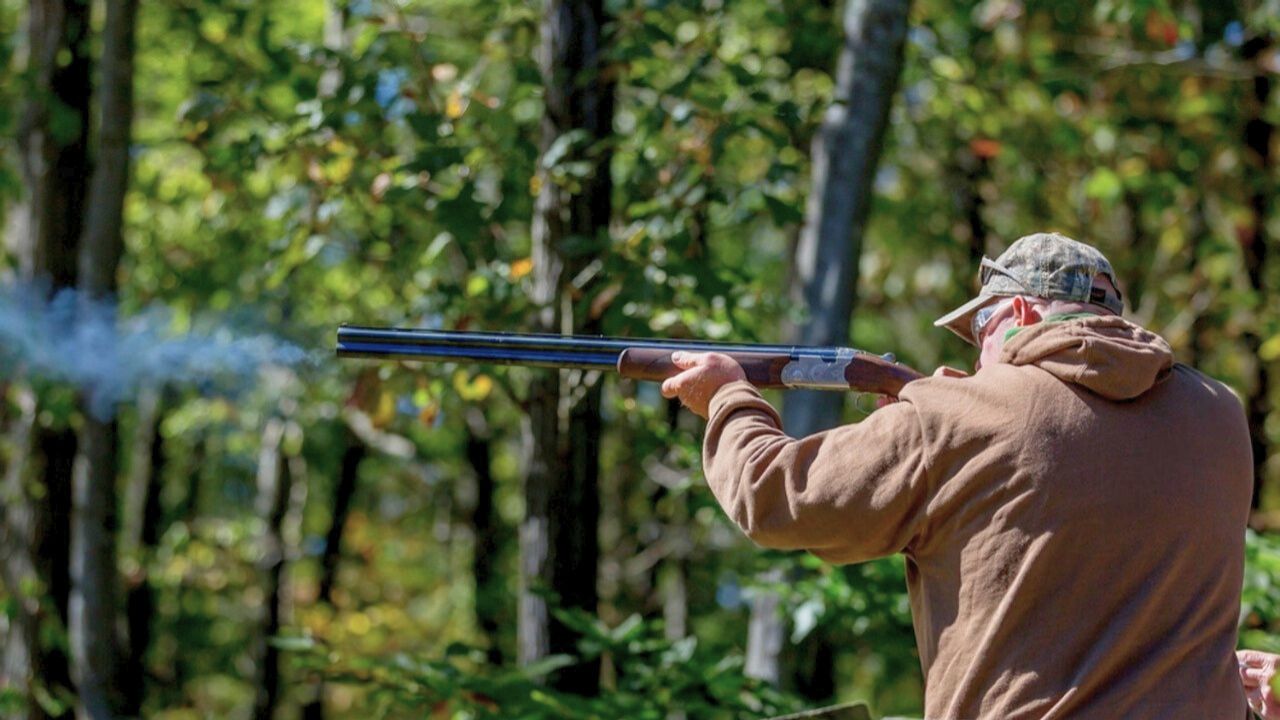
Shotguns also have a place on the deck, particularly with light birdshot or specialty pest loads that limit overpenetration at close range. Advice for clay shooters often tells you to Opt for low recoil loads for comfort and accuracy, and that same principle applies when you are leaning against a porch post instead of standing in a trap house. A 20 gauge with reduced recoil shells can be a versatile tool for snakes, small predators, and even emergency signaling, without the punishing blast of a heavy 12 gauge magnum. Whatever you choose, you still need a safe backstop and a clear understanding of where pellets or bullets will go if you miss or they exit the animal.
Porch Guns for Serious Self‑Defense
While most porch shots are mundane, you may also be thinking about how to respond if a human threat appears at the end of the driveway or near an outbuilding. In that context, the caliber conversation shifts toward proven defensive handgun and carbine rounds that balance stopping power with controllability. Many trainers still describe 9mm Luger as The Gold Standard for self defense, with .40 S&W as a middle ground and .45 ACP as a heavier hitting option. The logic is that 9mm offers a blend of manageable recoil, adequate penetration with modern hollow points, and higher capacity, all of which matter if you are moving from the living room to the porch under stress.
Comparisons of 9 mm and .45 ACP Pistols often point out that 9 mm tends to have reduced recoil and higher magazine capacity, while 45 ACP is associated with a more forceful, decisive response to threats when properly placed. From a deck, that tradeoff is personal: if you can run a .45 ACP confidently and quickly, it can be a strong choice, but if you struggle with muzzle rise or slower follow up shots, a 9 mm carbine or pistol may give you more practical capability. The key is to pick a defensive caliber you can control under pressure, then train from the actual positions and sightlines you might use on your property.
Reaching Out: Coyotes, Deer, and the Back Fence Line
Once your shots stretch past the garden and into the tree line, caliber selection becomes a question of external ballistics and ethical lethality. For coyotes and similar predators, many shooters rely on .223/AR‑15 platforms, but some step up to cartridges like the 6.5 Grendel for better performance at distance. One predator hunting overview notes that the 6.5 G Grendel is more powerful than the 223 Remington, especially at greater ranges, while still keeping recoil light enough for fast follow ups. If your porch looks out over a long pasture, that extra reach can matter when a coyote hangs up just beyond typical .223 effectiveness.
For deer that wander into view from the deck, low recoil big game cartridges can give you a humane option without punishing your shoulder. Lists of Vastly overlooked low recoil hunting rounds often highlight 7mm‑08 Remington as a do‑all big game cartridge that brings a whole lot of performance with modest kick. Other sources point to the 6.5 Creedmoor as a versatile choice for hunters who want to take a variety of big game and still have a round that is predictable and manageable. One detailed guide notes that the 6.5 Creedmoor gives shooters a cartridge they can learn on and then carry into serious hunting, which makes it a strong candidate if your porch overlooks a field where deer regularly appear at dawn and dusk.
Long‑Range Temptations and Real‑World Limits
Modern rifles and optics make it tempting to treat your back deck like a sniper hide, but the further you shoot from home, the more unforgiving every mistake becomes. Long range specialists often gravitate to cartridges like 6.5 Creedmoor because they pair high ballistic coefficients with manageable recoil. One overview of long range options notes that, at a Glance, 6.5 Creedmoor is a top choice for many shooters who want flat trajectories and predictable wind performance without the punishment of larger magnums. That kind of capability is impressive, but it also means your bullet can travel a very long way if you miss or if it passes through an animal.
Experienced hunters who mentor new shooters often stress that even moderate cartridges like the 6.5 Creedmoor should be paired with suppressors and careful shot selection when used around homes. In one discussion of low recoil deer calibers, a contributor described encouraging suppressor use and praised cartridges from the 6.5 Creedmoor to lighter options in the 120 to 140 grain range for their balance of recoil and effectiveness, advice captured in a Nov forum thread. From a porch, that translates into a simple rule: if you are going to shoot at extended distances, you need a caliber you can call precisely in the wind, a clear backstop, and a realistic understanding of your own limits. Otherwise, the safest “long range” shot from home is the one you decide not to take.
Big‑Bore Romance vs. Practical Reality
Lever guns and big bores have a powerful pull on the imagination, and it is easy to picture yourself stepping out on the deck with a classic rifle to handle anything that moves. In practice, cartridges like 45‑70 Government are more at home in heavy timber or on big game hunts than they are around outbuildings and fence lines. A detailed Caliber Comparison between 45‑70 and 30‑30 notes that both are Known as trademark choices for lever guns, with the 45‑70 offering significantly more power for large game and the 30‑30 being more economical and better suited to general deer hunting. Those same traits mean that a 45‑70 from the porch can be excessive in recoil, noise, and penetration for most realistic home‑adjacent tasks.
That does not mean you cannot keep a lever gun by the back door, only that you should be honest about what you need it to do. A 30‑30 or similar midrange cartridge can be a reasonable compromise if your property includes thick woods where black bear or large hogs are a concern, but for typical suburban or small farm settings, lighter calibers will usually serve you better. Even in the shotgun world, the advice to choose low recoil loads for comfort and control applies, and the same logic that guides clay shooters to softer shells should give you pause before you default to the heaviest magnum loads for casual porch duty.
Caliber Is Only Half the Equation
Even the most carefully chosen cartridge will not fix poor planning around backstops, angles, and alternatives. Before you ever fire from a porch or deck, you should map out safe lanes of fire and consider nonlethal or nonballistic options for some problems. For example, many homeowners try ultrasonic pest devices to keep rodents and insects away from decks and patios, only to find that these tools have real limitations. One analysis notes that outside, an ultrasonic device may be blocked or limited by distance, especially when used on a deck or porch, which helps explain why many people eventually reach for a firearm instead.
When you do, the same disciplined thinking that guides range work should shape your choices at home. That means picking calibers you can afford to practice with, so you are not guessing at point of impact or recoil when it matters. It also means recognizing that some cartridges, like the 5.56, are well suited for small game and even animals like white tailed deer when used correctly, as one comparison of 5.56 and 7.62 points out, but that they still require a safe backstop and thoughtful ammunition selection. In the end, the best caliber from your porch is the one that fits your property, your skills, and your responsibilities, not just your favorite ballistics chart.
Like Fix It Homestead’s content? Be sure to follow us.
Here’s more from us:
- I made Joanna Gaines’s Friendsgiving casserole and here is what I would keep
- Pump Shotguns That Jam the Moment You Actually Need Them
- The First 5 Things Guests Notice About Your Living Room at Christmas
- What Caliber Works Best for Groundhogs, Armadillos, and Other Digging Pests?
- Rifles worth keeping by the back door on any rural property
*This article was developed with AI-powered tools and has been carefully reviewed by our editors.