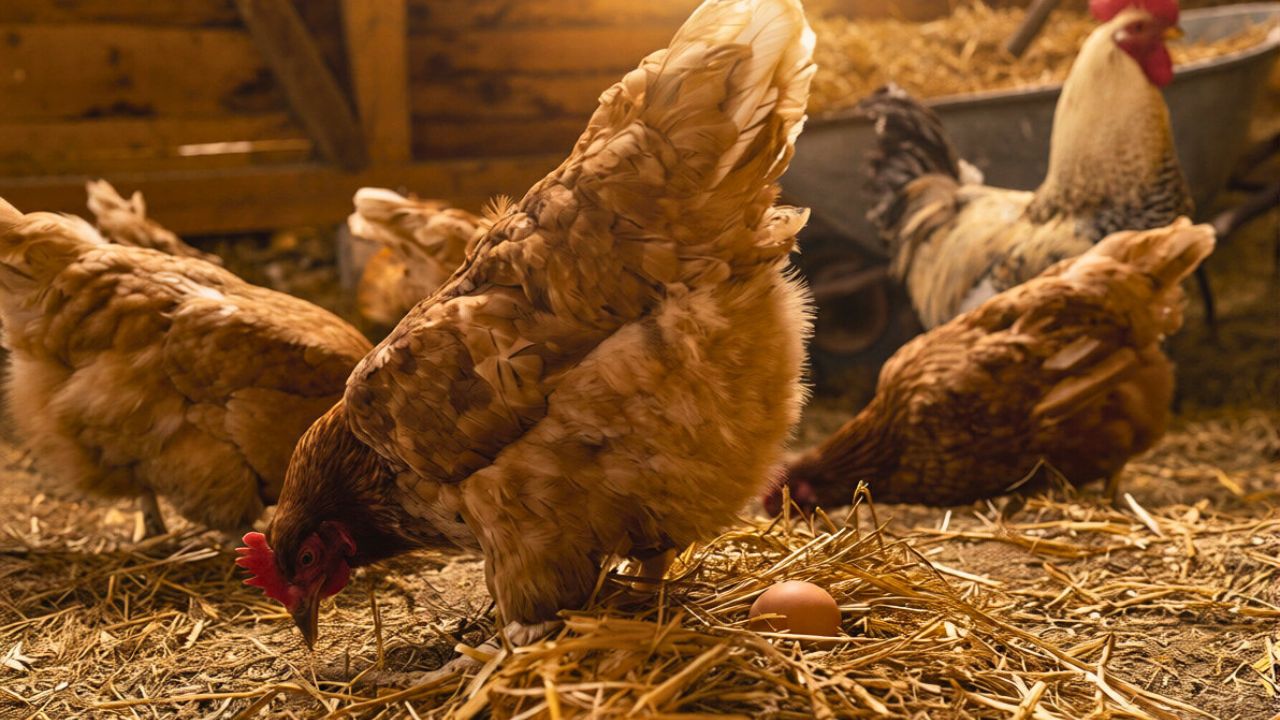
What helped when the chickens kept kicking bedding out of the coop
Backyard keepers quickly learn that the same scratching that keeps chickens content can turn a tidy coop into a mess of kicked-out shavings. When bedding spills into the run or yard, it wastes money, invites moisture and rodents, and leaves birds sleeping on bare boards. The fixes that actually work come from treating this as a design and management problem, not a discipline issue with the flock.
Across forums, social groups, and product listings, a pattern emerges: the birds will always scratch, but small changes in bedding choice, nest layout, and floor protection can channel that instinct instead of fighting it.
Why hens keep excavating the coop floor
Chickens are hardwired to dig for food and to shape a shallow bowl before they lay. On one Backyard Chickens thread about birds kicking out nesting box materials, a user identified as Songster described pullets that were just starting to lay and immediately flung material out of the boxes. That discussion underscored that this is not misbehavior but a normal pre-lay routine.
A separate Backyard Chickens conversation about straw on the floor captured the same point. A poster greeted a newcomer with “Welcome to BYC! Hmmm…well, chickens do like to scratch. Wonders why you think straw in the pen makes a ‘mess’.” The message was blunt: the birds are doing what they evolved to do, so any solution has to work with that behavior.
Owners also report individual quirks that magnify the problem. In an Everything Backyard Chicken thread, one keeper joked about having one OCD hen that had to arrange every piece of pine before laying. That obsessive scratching can empty a box in minutes if the design does not help contain the bedding.
Choosing bedding that stays put
Some materials are far easier for birds to fling around than others. A bedding guide from Scratch and Peck feeds points to absorbency, dust, and texture as key factors when choosing bedding, and notes that hemp, sand, and kiln dried shavings behave very differently from loose straw. The guide stresses that Key Factors to Consider When Choosing Bedding include Absorbency, Wet bedding control, and Dust Levels, which indirectly affect how often the coop must be refilled.
Fine pine shavings can be comfortable but scatter easily when hens scratch. In a Facebook group, one keeper named Katie Dudley asked how to get hens to stop throwing bedding out of the nesting Boxes after switching materials, and another commenter, Aries Meligan, suggested experimenting with different fills. That thread, framed around the question “How do I get my chickens to stop throwing all of the bedding out of the nesting Boxes???”, underlined that a change in texture can either worsen or reduce the problem.
On Reddit, users in the Comments Section under a nesting box help post recommended heavier straw layered over a grippy base. One commenter, Enge712, explained that they still used a manufactured liner at the bottom but felt “it is hard to beat straw” on top for comfort and weight, an approach that appears in multiple Comments Section tips.
Safety also matters. A detailed explainer on The Feather Brain warns against aromatic cedar in coops because volatile compounds can irritate a chicken’s respiratory system. That warning is echoed by an animal care nonprofit list of things that are, which includes certain wood shavings and chemicals that might otherwise seem like easy odor fixes.
Producers such as Eaton Pet and Pasture sell hemp and straw based products and lime conditioners like Revitalime that aim to keep floors dry and less attractive to scratching pests. Some keepers also add a light dusting of diatomaceous earth under bedding for mite control, although it must be used carefully to avoid dust problems.
Design tweaks that kept bedding inside
Community advice converges on a simple carpentry fix: add a lip. In the Everything Backyard Chicken thread about the one OCD hen, several commenters recommended putting a ledge or lip on the front of the nest box so the bird cannot kick material straight out. The same idea appears in the Backyard Chickens discussion where Songster, listed with “6 Years” on the forum and numbers “60” and “116” under their profile, described solving the issue by changing the box front so hens had to step over a higher edge before exiting.
Another Facebook conversation, started by Janet Lynne Parise Whenever in October, described hens that preferred a roosting bar higher than the nesting boxes and still managed to scratch material from the lower level. That post, which included the names Oct, Janet Lynne Parise Whenever, and Othe in the thread, sparked suggestions to reposition roosts so birds do not land directly in the nests and kick out bedding as they hop down. The discussion is archived in an Everything Backyard Chicken group post labeled “1 Author”.
Video creators have turned the same principle into how-to guides. One clip addressed to “good morning Clever Coopers” walks through how to stop chickens from scratching shavings out of the coop by adding a higher threshold at the pop door and rearranging perches so birds land where bedding is deeper. Another video titled as a fix for throwing nesting material shows a simple retrofit with a curved insert at the front of the box that keeps straw in a bowl shape.
Deep litter systems apply the same logic on a larger scale. In one tutorial shot in Oct, a coop floor holds somewhere between 12 and 14 inches of material, mostly pine shavings mixed with manure. The presenter explains that such depth changes how birds scratch, because they churn the top few inches without reaching the floor. Owners who adopt this method often report less bare wood and fewer cold spots, although they still need to manage moisture and ventilation.
Protecting the floor when birds win the kicking battle
Even with better bedding and box design, some scratching is inevitable. To keep coop floors from rotting when shavings scatter, many keepers turn to liners and tarps. Online listings for chicken coop floor products feature descriptions like “Clear Tarp Waterproof with Grommets, Heavy Duty PVC Vinyl Tarps Cover, Transparent Tarpaulin Large (Small) for Outdoor/Camping/Plant,” which translate neatly to coop use.
Some keepers use a clear tarp waterproof layer over wood, secured with grommets, so that even if birds kick every last shaving aside, droppings do not soak into the floor. Others cut heavy duty PVC vinyl tarps to fit and then pile shavings or sand on top, treating the liner as a removable skin that can be dragged out and hosed down.
Floor liners also pair well with winter weatherproofing. In a separate Everything Backyard Chicken discussion, a keeper who already put plastic over windows asked what to do about a door that faced harsh winds, writing that “Unfortunately the door faces” the worst direction. Some respondents suggested hanging a tarp at the door in addition to plastic, which mirrors the way liners protect the floor from drafts and damp.
Small habits that made a big difference
Beyond hardware, experienced owners describe a few daily habits that reduce the sense that hens are “ruining” the coop. One is to top up bedding only where birds sleep and lay, instead of trying to maintain a thick layer across the entire floor that invites more scratching.
Another is to give birds a designated digging area outside the coop. Some forum users mentioned adding a sand pit or compost corner in the run. When hens spend more time scratching in that zone, they often do less excavating in the sleeping area.
Owners also learn to adjust expectations. The Backyard Chickens thread that included the greeting “RIP 1958-2025” in a signature and the friendly “Welcome to BYC!” reply made a clear point: chickens will always scratch, and a bit of straw at the coop door is normal. The goal is not a pristine, untouched floor, but a setup where birds stay dry and comfortable and the human in charge is not refilling boxes twice a day.
Like Fix It Homestead’s content? Be sure to follow us.
Here’s more from us:
- I made Joanna Gaines’s Friendsgiving casserole and here is what I would keep
- Pump Shotguns That Jam the Moment You Actually Need Them
- The First 5 Things Guests Notice About Your Living Room at Christmas
- What Caliber Works Best for Groundhogs, Armadillos, and Other Digging Pests?
- Rifles worth keeping by the back door on any rural property
*This article was developed with AI-powered tools and has been carefully reviewed by our editors.