What home inspectors are flagging more often in 2025
Across the country in 2025, home inspections are turning up a different mix of problems than they did even a few years ago. Inspectors are still catching the classic trouble spots, but they are also zeroing in on environmental risks, aging infrastructure and the hidden flaws of brand‑new construction that can quietly drain a buyer’s budget.
As I talk with inspectors and scan recent reporting, a clear pattern emerges: the modern inspection is less about a quick checklist and more about long‑term safety, health and compliance. Understanding what professionals are flagging more often now can help buyers negotiate smarter, sellers prioritize repairs and owners protect the value of the homes they already live in.
Structural stress and aging systems are back at the top of the list
Structural movement has always been a deal breaker, but inspectors are treating it with even less tolerance in 2025. When they see foundation cracks tied to settlement, sagging beams or compromised load‑bearing walls, they are categorizing them as Red Flags That Require Immediate Expert Attention, not “watch and wait” items. That scrutiny extends to Structural Issues Beyond Foundation, such as undersized framing or failing support posts, because inspectors know that Sometimes a cosmetic crack is masking a much deeper problem.
Mechanical and electrical systems that are “on their last legs” are getting similar treatment. Inspectors are documenting furnaces, air conditioners and water heaters that are near the end of their service life as major concerns, not minor notes, especially when they see corrosion, leaks or chronic short cycling alongside age. In national data on Most Common Home Inspection Findings, the Roof stands out, with Over 19 percent of inspections uncovering roofing issues, and inspectors are pairing those observations with notes on Electrical wiring that no longer meets modern expectations for safety.
Moisture, mold and plumbing: small leaks, big liabilities
Water is emerging as one of the most expensive long‑term threats, so inspectors are documenting moisture pathways with more urgency. In guidance on top red flags, experts point out that Mold will form anywhere there is persistent dampness, and they note that the vast majority of homes have some level of growth that can worsen if ignored. That has shifted the tone of reports: instead of simply noting discoloration, inspectors are calling out chronic humidity in basements, failed caulking around tubs and showers, and missing ventilation as conditions that can quickly escalate into structural damage and indoor air quality problems.
Plumbing is getting similar attention, even when the issues look minor at first glance. Inspectors may still find that Most plumbing defects are small, like a leaking hose bib or a loose trap, but they are also flagging older supply lines, corroded shutoff valves and outdated materials that are approaching 50 or 60 years of service. When those findings sit alongside evidence of mold or staining, buyers are being warned that they are not just inheriting a drip, they are inheriting a risk profile that could affect insurance, health and resale.
New homes, new headaches: code changes, VOCs and off‑gassing
One of the biggest surprises in 2025 is how often inspectors are flagging problems in houses that are less than a decade old. Professionals who specialize in newer properties say that When they inspect homes under ten years, they frequently find Grading and drainage issues that push water toward the foundation, as well as missing flashing, incomplete attic insulation and rushed finish work. Another frequent problem in new‑build inspections is poor thermal performance, with Another recurring defect being Inadequate insulation that fails to meet building codes and standards for optimal performance.
Health concerns inside new construction are also rising on inspection reports. Specialists in indoor air quality warn that the major Sources of VOCs in New Construction are fresh building materials and finishes that emit chemicals as they cure. Consumer‑facing guidance on Off Gassing in Your New Home explains What It Is and How to Stay Safe Moved in a space where new paint, flooring and cabinetry are still releasing fumes, and notes that And the “new house smell” can actually signal elevated pollutants. As buyers become more aware of these risks, inspectors are increasingly recommending ventilation checks, low‑VOC materials and, in some cases, separate air quality testing.
Regulation, sustainability and the rise of environmental add‑ons
Regulatory pressure is reshaping what inspectors look for and how they write up their findings. New Building Code Updates are framed as Keeping Up with the Times, and inspectors are expected to understand how those changes affect everything from guardrail heights to energy efficiency. That shift is especially visible in older properties, where Aging Infrastructure and Building Materials Buildings that have not been updated in decades can now violate current codes, even if they still function, which inspectors are flagging as both safety and compliance risks.
At the same time, sustainability is no longer a niche concern. Inspectors are reporting an Emphasis on Sustainability and a growing market for Green Home Inspection services as buyers look for evidence that a property aligns with shifts toward eco‑friendly living. Industry surveys on the future of the profession note that Dec research into What kinds of environmental ancillary services clients want is pushing inspectors to add radon, sewer scope and energy audits to their menus. Broader reporting on Environmental concerns in property inspections underscores that these add‑ons are no longer optional extras but crucial considerations in many markets.
Tech‑driven inspections and the hunt for hidden defects
Technology is changing what inspectors can see and, as a result, what they are flagging. Industry analysts describe how, Jun reports on tech trends explain, professionals are moving From AI‑assisted report writing to Drones and imaging tools that reveal roof damage, missing insulation and moisture intrusion that would have been invisible from the ground. That shift is one reason roofing defects show up so frequently in the Most Common Home Inspection Findings, where inspectors note that Over 19 percent of inspections uncover problems with the Roof, often tied to flashing failures or aging shingles that are only obvious from above.
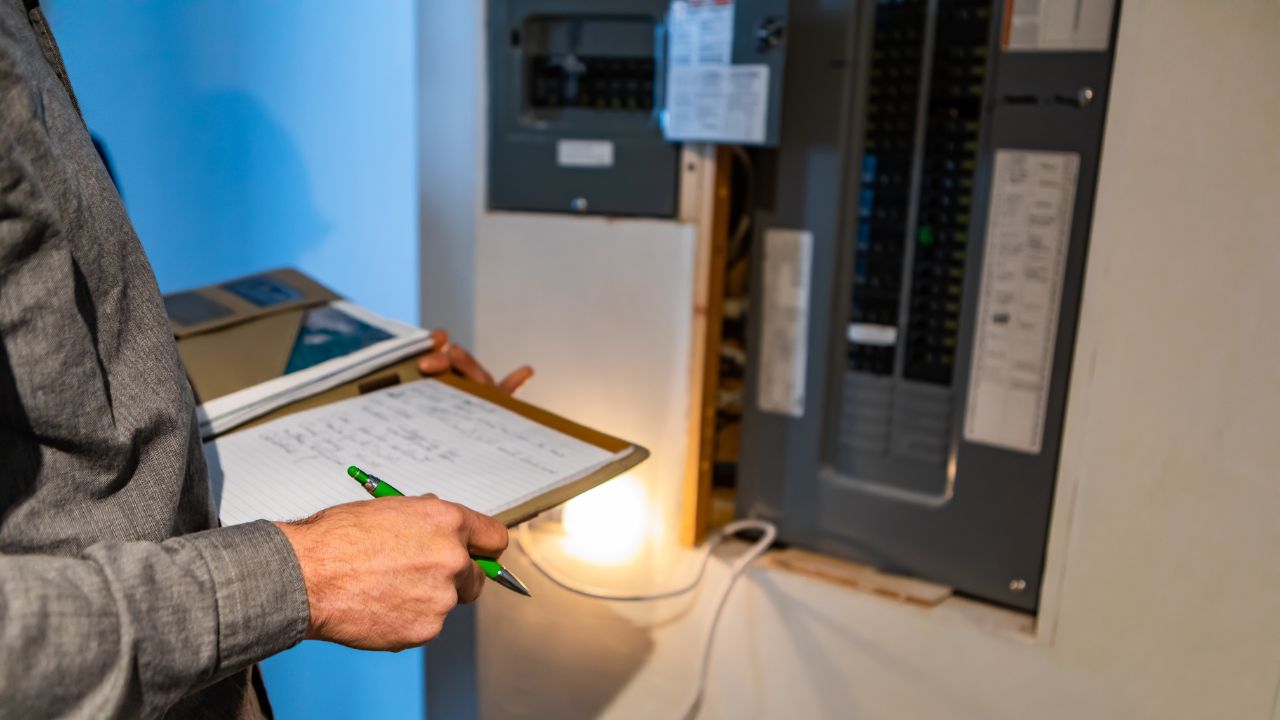
Digital tools are also sharpening the focus on electrical safety. In addition to checking for overloaded circuits and missing GFCI protection, Inspectors now routinely look at the type of panel installed and may recommend replacement of older brands, such as Zinsco and other problematic equipment, because of documented hazards from circuit breakers failing over time. Broader industry forecasts on the profession’s future note that Dec discussions of What services will be in demand increasingly center on data‑rich, photo‑heavy reports that help buyers understand not just what is wrong today but how a system is likely to perform over the next decade.
Decks, exteriors and the safety risks hiding in plain sight
Outdoor living spaces have exploded in popularity, and inspectors are responding by scrutinizing decks and balconies with a level of detail that was rare a generation ago. Structural specialists warn that Decks are always at the mercy of the weather and can become hazardous because of wood rot, loose connections and weak supports that lead to dangerous collapses or expensive emergency repairs. Consumer guides on Warning Signs Your Deck Needs Replacement and Not Just Repair Is it aging out emphasize that Every year, inspectors see more cases where patchwork fixes are no longer enough, which is pushing them to call for full replacement more often.
Safety statistics are reinforcing that caution. Insurance data show that The number of injuries caused by the collapse and failure of outdoor decks and porches has dramatically increased in recent years, prompting inspectors to recommend that some owners stop using their decks until a structural evaluation is complete. Those same reports encourage homeowners to look for four key warning signs to see if a deck can stand up, and they are influencing how inspectors write up exterior stairs, railings and ledger attachments. Combined with the broader focus on Environmental exposure, from UV damage to freeze‑thaw cycles, it is clear that the perimeter of the home is no longer an afterthought in inspection reports.