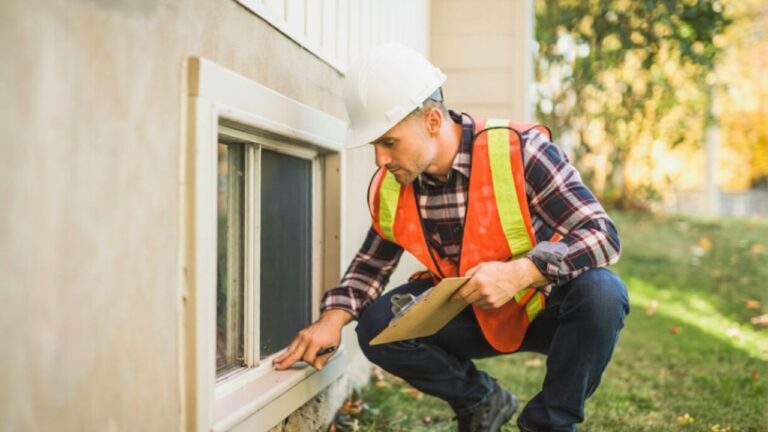
What inspectors check after DIY renovations
Once the dust settles on a DIY renovation, the real test is not how the space looks in photos but how it performs under an inspector’s eye. Municipal and private inspectors are trained to move past fresh paint and new fixtures to verify that what you built is safe, durable, and legal. Understanding what they check after you renovate gives you a roadmap for doing the work correctly the first time and avoiding expensive tear‑outs later.
Instead of treating inspection day as a mystery, you can reverse‑engineer your project around the criteria inspectors use. They focus on structure, life safety, and building systems, then work outward to weather protection and finishes. When you know those priorities in advance, you can plan your DIY upgrades so they pass on the first visit and protect your investment for the long term.
1. Why inspections matter even after “small” DIY projects
Even if you only opened a wall for a new doorway or added a bathroom, inspectors treat your renovation as a change to the overall risk profile of the house. Their job is to confirm that your work does not undermine structural integrity, introduce fire hazards, or hide future water damage behind new finishes. A pre‑renovation assessment can be just as important as the final sign‑off, because it reveals hidden weaknesses that your project might accidentally worsen, such as undersized beams or overloaded circuits that are already close to failure.
Specialists who focus on renovation safety stress that a preliminary review identifies issues that could threaten your property’s safety or stability before you add new loads or cut into framing. That same mindset carries through to the final visit, when inspectors look at your completed work in the context of the entire house, not as an isolated weekend project. Whether you are finishing a basement or reworking a kitchen, they are effectively asking one question: did this DIY upgrade make the home safer and more resilient, or did it quietly introduce new ways for things to go wrong?
2. Permits, paperwork, and the difference between municipal and private eyes
Before anyone checks your wiring or framing, an inspector will often start with your paperwork. Municipal officials verify that you pulled the right permits, scheduled required phase inspections, and followed the approved plans. If you skipped permits because the work “didn’t seem that big,” you can expect friction at this stage, since local authorities are tasked with enforcing building codes, not retroactively blessing unreviewed projects. Their mandate is to ensure that every permitted renovation, whether DIY or professional, meets the same baseline standards.
On a new or heavily renovated home, a municipal inspector typically confirms that necessary permits are in place and that the house is compliant with local building codes, a role described as checking that the property is compliant with those rules. Some owners also hire independent professionals to go beyond that minimum. Advocates for private oversight note that by putting your trust in a private provider for routine inspection you are not just meeting the minimum requirements, you are pursuing a higher level of quality, with the benefits of hiring a private building inspector described as clear for owners who want a second set of eyes on complex DIY work.
3. Structural bones: foundations, framing, and load paths
Under fresh drywall and new flooring, inspectors are laser‑focused on whether you have altered how the house carries weight. If you removed a wall to open a kitchen, added a large tile shower, or cut new openings for windows and doors, they will look for proper headers, posts, and connections that transfer loads safely to the foundation. They are also alert to signs that your project aggravated existing problems, such as widening cracks or doors that no longer close smoothly after you reconfigured a room.
Guides for buyers and owners alike emphasize that the foundation is the workhorse of a house and must support everything above it without shifting or cracking. Insurance‑oriented checklists echo that foundation cracks, poor drainage, or structural shifts are among the top reasons homes fail inspection, grouping foundation issues with roof damage and other big‑ticket defects. When your DIY renovation touches bearing walls or adds weight, inspectors connect what they see in your new work to these underlying structural realities, not just to whether the trim lines up.
4. Rough‑in checkpoints: what inspectors want to see before you close walls
The most consequential inspection for a DIY renovator often happens before you install insulation or drywall. At the rough‑in stage, inspectors want full visibility of framing, wiring, plumbing, and ductwork so they can confirm that everything is sized correctly, supported, and protected from damage. If you rush to close walls without this visit, you risk being ordered to open them back up, which can erase months of sweat equity in a single morning.
On new construction and major remodels, rough‑in visits typically occur after the home is framed but before insulation and drywall are installed, with inspectors checking that the rough work meets code. Phase‑based guides explain that a rough‑in inspection happens after the home is framed but before finishes, and that a similar approach applies when you are renovating a portion of an existing house, since the same inspections are used to catch problems while everything is still exposed. For DIYers, that means planning your schedule so you can pause at this point and invite scrutiny before you hide your work.
5. Electrical work, the top DIY failure point
Among all the systems you might touch in a renovation, electrical work is the one most likely to collide with an inspector’s red pen. Homeowners often underestimate how many rules govern conductor sizing, box fill, GFCI and AFCI protection, and cable routing. A circuit that “seems to work” can still be dangerously overloaded or improperly protected, and inspectors are trained to spot those flaws in seconds, even when the devices are brand new.
Reporting on common DIY pitfalls notes that electrical work frequently tops the list of items that fail after amateur remodels, with experts explaining that this is the inspection item that keeps failing after DIY projects because owners chase a design vision rather than code compliance. Another breakdown of inspection trouble spots underscores that overloaded circuits and outdated panels sit alongside Key structural and roof issues as reasons a home can fail. If you are not fully fluent in electrical code, the safest move is to bring in a licensed electrician for at least the panel and new circuits, then have your work inspected at rough‑in before you energize anything.
6. Plumbing, HVAC, and the hidden systems behind your finishes
Water and air do not care how carefully you tiled a shower or painted a ceiling; if plumbing or HVAC is installed incorrectly, leaks and condensation will eventually show up as stains, mold, or warped materials. Inspectors know this, so they look past the visible fixtures to the routing of supply and drain lines, the slope of waste pipes, the presence of traps and vents, and the way ducts are sealed and supported. They are also attentive to how your DIY changes affect combustion appliances, such as whether a new range hood or bathroom fan might depressurize a room and backdraft a water heater.
Guidance on post‑remodel evaluations explains that when you remodel or add on to your home you are most likely re‑routing electrical and plumbing, and that inspectors are checking whether that work has been done up to code, with one overview of what a home inspector is looking for stressing When those systems are altered. Another resource on what a home inspector looks for after remodeling notes that during a post‑remodel inspection, plumbing and HVAC changes are reviewed to ensure quality and safety, describing a post‑remodel visit as a chance to verify that hidden systems match the apparent upgrade. For DIYers, pressure tests, proper venting, and manufacturer‑specified clearances are not optional details, they are central to passing.
7. Weather protection: roofing, siding, windows, and drainage
Once inspectors are satisfied that the structure and systems are sound, they turn to the shell that keeps water out. If your DIY renovation involved a new roof section, skylight, siding replacement, or window enlargement, they will look closely at flashing, underlayment, and how your work ties into existing materials. Even interior projects can trigger scrutiny of the exterior if you added penetrations for vents or mini‑split lines, since each new hole is a potential leak path.
Home inspection checklists consistently highlight the condition of the foundation, roof, and exterior surfaces as core concerns, with one widely used list urging owners to pay attention to the major systems, including the roof, drainage, and the HVAC system, and to treat this as a comprehensive Home survey. Another breakdown of what inspectors check notes that some things the inspector should be checking include but are not limited to the condition of the foundation, the roof, and the Condition of the siding, which means your DIY cladding or window trim is part of a larger moisture‑management picture. If your project changed how water flows around or off the house, expect questions about gutters, grading, and sealants, not just aesthetics.
8. The final inspection: life safety, finishes, and overall performance
By the time you reach the final inspection, your renovation should be fully assembled and functioning, from light switches to smoke alarms. Inspectors use this visit to confirm that all systems operate as intended, that required safety devices are installed, and that nothing in the finished space contradicts what they saw at rough‑in. They may test GFCI outlets, run exhaust fans, check handrail heights, and verify that egress windows or doors open freely, especially in bedrooms and basements you have reworked.
Professionals who manage large projects describe the final inspection as part of a closeout process, noting that many places require documentation and checks for items such as accessibility and Fire safety before a space can be occupied. Another explanation of what inspectors look for at final inspection emphasizes that this visit occurs when all systems are connected so inspectors can properly test them, describing a final check as the moment when different departments review the completed work. For a DIY renovator, that means you should treat this day as a full dress rehearsal: every fixture installed, every safety device in place, and all punch‑list items resolved before you invite the inspector through the door.
9. Using phased and post‑remodel inspections to your advantage
If your DIY renovation is extensive, you do not have to wait until the end to find out whether you are on the right track. Phase inspections, which break oversight into logical stages, are increasingly common on new construction and can be adapted to major remodels. They typically cover the foundation, framing and rough‑ins, and then a completed home review, giving you multiple chances to correct course before mistakes are buried. While not always mandatory, they can be a powerful tool for owners who are managing their own projects.
Guides to phased oversight explain that when building a new home, every inch of the property must be inspected to ensure the work meets standards, describing Completed new construction home inspection steps that include checking behind the drywall to double‑check earlier work. Another breakdown of phase inspections notes that these visits are optional but highly recommended for new construction homes, answering the question “Are phase inspections mandatory or optional?” by explaining that Phase checks can catch issues that could affect quality, safety, or long‑term performance. Professional organizations echo that even new homes have defects that only a professional can detect, with the American Society of (ASHI) quoted as saying “Even new homes have defects that only a professional can detect.” For a DIY renovator, borrowing this phased mindset and scheduling a dedicated home inspection after remodel completion, described in resources on Home Inspection After and Ensuring Quality and renovation, turns inspection from a hurdle into a quality‑control partner that helps your project stand the test of time.
Like Fix It Homestead’s content? Be sure to follow us.
Here’s more from us:
- I made Joanna Gaines’s Friendsgiving casserole and here is what I would keep
- Pump Shotguns That Jam the Moment You Actually Need Them
- The First 5 Things Guests Notice About Your Living Room at Christmas
- What Caliber Works Best for Groundhogs, Armadillos, and Other Digging Pests?
- Rifles worth keeping by the back door on any rural property
*This article was developed with AI-powered tools and has been carefully reviewed by our editors.