What insurance adjusters look for first after water damage
When water pours into a home or business, the first person your insurer sends is not a contractor but an adjuster whose job is to translate soaked drywall and warped flooring into numbers on a claim file. What that adjuster notices in the first minutes on site can shape how much you are paid, how quickly you are paid, and even whether your loss is covered at all. Understanding how adjusters think, and what they look for immediately after water damage, gives you a practical edge when you are trying to protect both your property and your policy rights.
Instead of treating the inspection as a mystery, you can anticipate the adjuster’s priorities: the source of the water, how long it has been present, the steps you took to limit the damage, and the evidence you have gathered. With a clear view of those early checkpoints, you are better prepared to answer questions, document the loss, and push for a fair settlement rather than scrambling to react after decisions are already made.
1. Why the cause and category of water come first
The first thing an adjuster needs to pin down is what caused the water to enter your property, because that single detail often decides whether your policy will respond at all. Standard homeowners coverage typically treats a sudden burst pipe very differently from gradual seepage or outside flooding, and the adjuster will be trained to separate a covered “sudden and accidental” event from long term maintenance issues. Industry guidance notes that Each claim depends heavily on the source of the water, how long it has been present, and whether you took steps to address the problem once you discovered it.
Beyond cause, adjusters also look at the “category” of water, which describes how contaminated it is and what level of cleanup is required. Restoration professionals are generally expected to follow the IICRC S500 framework, which distinguishes clean water from more hazardous gray or black water and ties those categories to specific drying and demolition protocols. When an adjuster evaluates your loss, they are effectively checking whether the damage lines up with what the Yes categories of water and proper restoration practices would predict, which in turn influences the scope and cost they are willing to approve.
2. How adjusters verify coverage against your policy
Once the adjuster has a working theory about what happened, the next step is to test that story against the fine print of your policy. They will look for exclusions that might apply, such as surface flooding that should have been insured under a separate flood policy, or damage that stems from long term neglect rather than a sudden event. Many standard policies, for example, do not cover outside flood damage at all, and if the adjuster concludes that rising groundwater or storm surge is the culprit, they may rely on exclusions related to Negligence and the fact that typical homeowners contracts do not cover flood damage.
At the same time, the adjuster is checking whether you met your own obligations under the policy, such as notifying the insurer promptly and taking reasonable steps to protect the property from further harm. Industry resources explain that timely reporting can significantly affect the outcome of a claim, and that insurers expect you to act quickly rather than waiting for the adjuster to arrive before doing anything. If you can show that you reported the loss as soon as you reasonably could and that you followed the kind of prompt notice the Insurance Information Institute recommends, you make it harder for the adjuster to argue that delays or inaction should limit your coverage.
3. The first visual sweep: what adjusters notice in the room
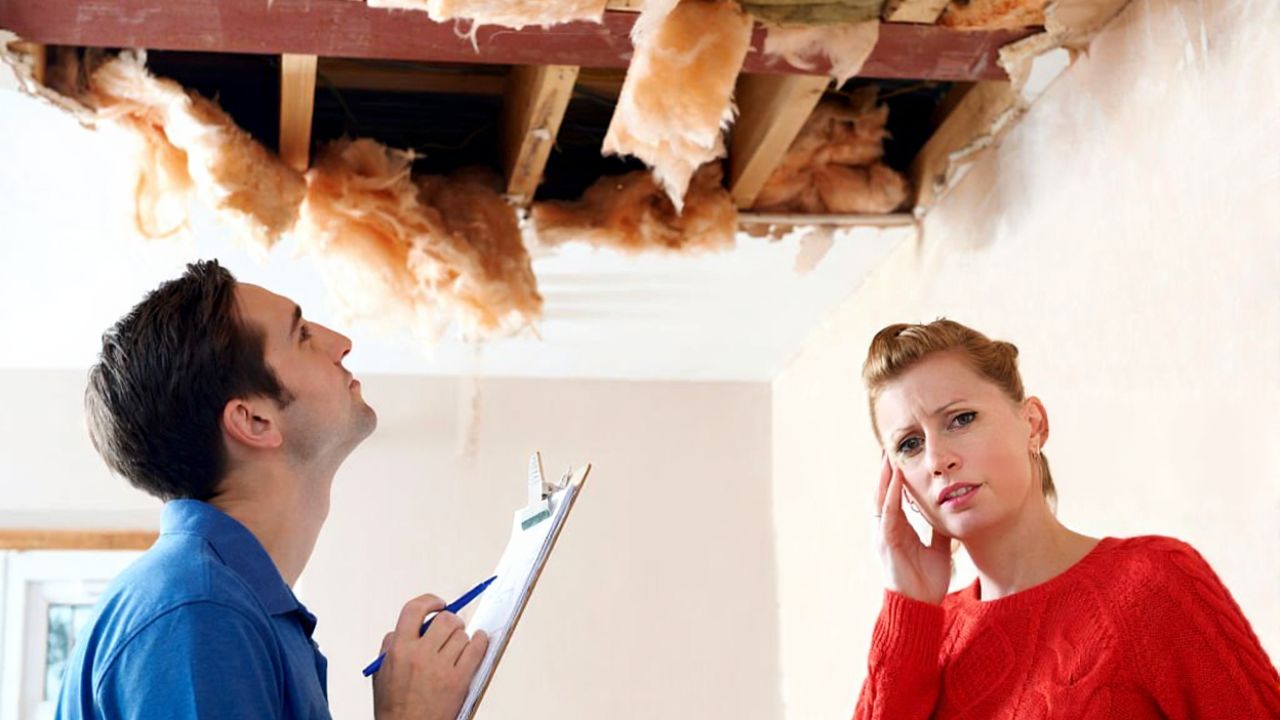
Before any tools come out of the bag, most adjusters start with a slow visual sweep of the affected rooms, looking for patterns that confirm or contradict your description of the loss. They pay attention to water lines on walls, staining on ceilings, buckling in hardwood floors, and the way carpets feel underfoot, all of which help them estimate how high and how long the water has been present. If they see multiple layers of staining or older warping beneath fresh damage, they may suspect that part of the problem predates the reported incident, which can lead to disputes over what portion of the repairs the policy should fund.
During this first pass, adjusters are also quietly assessing whether your emergency response matches the level of damage they see. If you claim the leak started that morning but there is visible mold growth or a strong musty odor, they may question the timeline and look for signs that the issue was ongoing. Guidance for policyholders stresses that when your adjuster visits your property, they will document both visible damage and conditions that could lead to future issues such as mold, often using thermal imaging and moisture meters to back up what they see. Recognizing that When an adjuster walks through, they are already forming opinions, can help you prepare the space and your explanations before they arrive.
4. Documentation you bring to the table
While the adjuster is building their own record, they are also evaluating the evidence you have collected, and that starts the moment you hand over photos, videos, or receipts. Strong documentation can anchor your version of events, especially if you captured images before you moved furniture or tore out wet materials. Claims experts note that your home restoration team will likely take photographs of the damaged area, but you should take your own as well, both to preserve a snapshot of the initial conditions and to protect yourself if you later decide to question how the insurer valued the loss. Having that kind of record, as Your own photos and notes, gives the adjuster less room to downplay what happened.
Adjusters also look closely at any invoices or estimates you present, especially if you have already hired a mitigation company or plumber. Detailed line items that match recognized industry standards carry more weight than vague lump sums, because they allow the adjuster to compare the work performed to what their own guidelines would require. When your paperwork references accepted practices, such as the ANSI and IICRC S500 Standard for Professional Water Damage Restoration, it signals that the response was measured and appropriate rather than inflated. That is why it can help to work with contractors who understand the Standard and can describe their work in language the adjuster recognizes.
5. Mitigation efforts and signs of “Negligence”
One of the earliest and most consequential judgments an adjuster makes is whether you did enough to limit the damage once you discovered the problem. Policies generally require you to take reasonable steps to protect the property, which can include shutting off the main water supply, moving belongings out of standing water, and arranging for professional extraction and drying. If the adjuster sees that you left saturated carpets in place for days or ignored an active leak, they may argue that part of the loss resulted from your inaction rather than the initial event, and they can use that to reduce what they are willing to pay.
Industry claim tips warn that if the insurance company determines that the water damage resulted from negligence, they may deny some or all of your claim, especially if you failed to maintain plumbing or roofing that was already in poor condition. That is why it matters to show that you responded quickly, kept receipts for emergency work, and followed the kind of mitigation steps that professional guidance recommends. When you can demonstrate that you acted promptly and responsibly, you undercut any suggestion that If the insurer tries to frame the loss as negligence rather than a covered accident.
6. Questions adjusters ask and how your answers shape the file
From the adjuster’s perspective, every conversation with you is part of the investigation, and the first round of questions often comes before they even step inside. They will typically ask when you first noticed the problem, what you did immediately afterward, whether anyone else has worked on the property, and whether there have been prior leaks in the same area. Guidance for policyholders emphasizes that you should be prepared for questions about the timeline, the source of the water, and any previous issues, because adjusters use your answers to test for inconsistencies and to decide whether they need to dig deeper into maintenance or prior claims.
Later, during the site visit, the adjuster may circle back to the same topics in different ways, looking for details that either reinforce or undermine your initial account. Resources that coach property owners on dealing with adjusters advise you to stay factual, avoid guessing, and keep your responses consistent, because anything you say can end up in the written report that drives the settlement. When you follow that advice and Be Prepared for Questions, you reduce the risk that offhand comments or speculation will be used to cast doubt on your claim.
7. Timeliness, reporting, and the official claim record
Even before the adjuster arrives, your first phone call or online notice starts the official record of the loss, and adjusters review that timeline carefully. Insurers expect you to report water damage as soon as reasonably possible, in part because delays can allow moisture to spread and mold to develop, which makes the loss more expensive and harder to repair. According to guidance that cites the Insurance Information Institute, timely reporting can significantly affect the outcome of your claim, both in terms of how the insurer views your cooperation and how much of the resulting damage they are willing to attribute to the covered event.
When the adjuster opens your file, they will compare the date and time of your first report to the condition of the property and to any notes from contractors or emergency services. If there is a long gap between when you say the leak started and when you contacted the insurer, they may probe for reasons and consider whether part of the damage could have been avoided. That is why it is important to document not only the physical damage but also your communications, including claim numbers, call logs, and emails. When you can show that you followed the kind of prompt notice that According to the Insurance Information Institute can influence outcomes, you strengthen your position if timing becomes a point of contention.
8. How professional standards and experts influence the adjuster
Adjusters do not work in a vacuum; they rely on industry standards and expert input to decide what level of cleanup and repair is reasonable. In water losses, one of the most influential references is the ANSI and IICRC S500 Standard for Professional Water Damage Restoration, which describes the procedures and precautions needed to dry structures and personal property safely. When your contractor’s scope of work lines up with those expectations, it gives the adjuster a clear benchmark for approving equipment, labor hours, and demolition, rather than leaving them to guess what is necessary.
Because of that, adjusters often look favorably on restoration companies that follow recognized guidance and can explain their decisions in technical but accessible terms. The organization behind the S500 standard, IICRC, also provides certifications that many insurers look for when deciding which vendors to trust on complex jobs. When your chosen professionals can point to those credentials and to the ANSI framework that guides their work, it reassures the adjuster that the response is grounded in widely accepted best practices rather than inflated or improvised.
9. Positioning yourself for a fair settlement from day one
By the time the adjuster finishes that first visit, they have already formed a preliminary view of your claim that can be difficult to change later. Your best leverage comes from anticipating what they will look for and making sure those boxes are already checked: clear evidence of a covered cause, prompt mitigation, thorough documentation, and professional support that aligns with industry standards. Comprehensive guides for homeowners stress that not all water damage is created equal and that different types of incidents can significantly impact the claim process, which is why you need to understand how your situation fits into the categories adjusters use. When you approach the inspection with that context, you are not just reacting to the adjuster’s questions, you are proactively framing the loss in terms they recognize.
It also helps to remember that you are allowed to seek your own expertise, whether that means hiring a contractor who understands the Standard for Professional water damage restoration or consulting a public adjuster if you feel outmatched. Resources that walk you through dealing with insurance adjusters after water damage emphasize that you should contact your insurer quickly, keep detailed records, and stay engaged with repairs throughout the entire process, rather than handing everything off and hoping for the best. When you combine that level of involvement with the foundational knowledge provided by organizations like the Insurance Information Institute and the detailed claim insights available from Jan and other expert guides, you put yourself in a far stronger position to secure a settlement that truly reflects the damage you have endured.
Supporting sources: Dealing with Insurance Adjuster After Water Damage.
Like Fix It Homestead’s content? Be sure to follow us.
Here’s more from us:
- I made Joanna Gaines’s Friendsgiving casserole and here is what I would keep
- Pump Shotguns That Jam the Moment You Actually Need Them
- The First 5 Things Guests Notice About Your Living Room at Christmas
- What Caliber Works Best for Groundhogs, Armadillos, and Other Digging Pests?
- Rifles worth keeping by the back door on any rural property
*This article was developed with AI-powered tools and has been carefully reviewed by our editors.