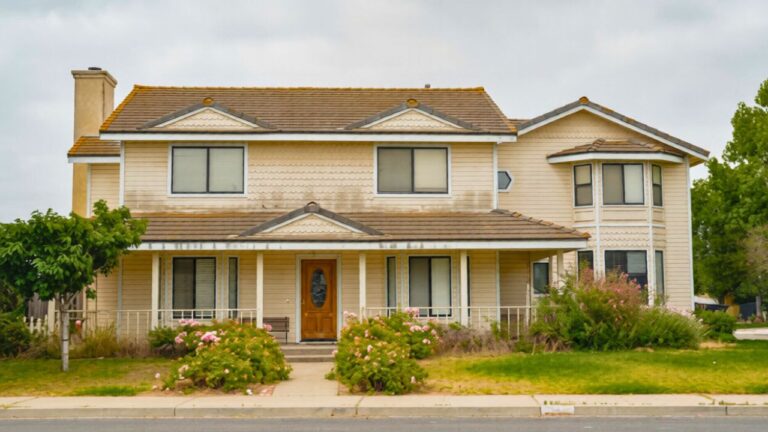
What most homeowners wish they had known sooner
For many new owners, the glow of getting the keys fades fast once the first surprise bill or hidden defect shows up. The hard truth is that most people only discover the real lessons of homeownership after something breaks, floods, or costs triple what they expected. If you are hoping to avoid the most painful regrets, it helps to know what other homeowners wish they had figured out much earlier.
From inspections that miss big problems to renovation splurges that never pay off, the same themes surface again and again. The patterns are clear: you are not just buying walls and a roof, you are buying a long list of future decisions, repairs, and tradeoffs. Here is what seasoned owners say they would tell their past selves before signing anything.
Hidden problems are everywhere, and the standard inspection is not enough
By the time you discover a buried issue like a failing sewer line or a cracked foundation, you are usually well past the point of easy negotiation. Many owners say they wish they had treated inspections as a menu to upgrade, not a box to check. One homeowner described how skipping a sewer camera meant paying to dig up and replace part of a line clogged with tree roots, a problem that a simple scope could have caught before closing, which echoes advice to prioritize a sewer inspection instead of assuming underground systems are fine.
Even the main inspection can be far less thorough than you expect. Owners have reported discovering, after moving in, that their inspector skipped areas that were blocked by storage or simply hard to reach, leaving them to fix a long list of problems in the first year. In one community discussion, people stressed that a “good inspector” is worth hunting for and that you should insist on checking the foundation and insulation levels because poor insulation can send heating and cooling bills sharply higher, as several comments about missed issues and high utility costs made clear in a widely shared thread on inspection regrets.
The real budget is the one that starts after closing
New buyers often stretch to the top of what a lender will approve, then discover that the purchase price was only the opening act. A national survey found that unexpected costs surprised 26 percent of new buyers and that more than 90 percent of buyers and sellers reported some form of regret in a tight housing market, with many saying they felt in over their heads financially after moving in, according to a detailed homebuyer report. Separate research on hidden ownership costs describes how missing appliances, immediate repairs, and fees can turn what felt like a celebratory milestone into a financial shock.
Experienced owners now swear by a dedicated repair fund that is separate from your emergency savings. One financial guide suggests treating home repair money like any other recurring bill and even recommends keeping it in a different account from your general emergency fund so you do not raid it for unrelated crises, a strategy laid out in guidance on where to keep repair savings. Homeowners in online discussions echo this, with one “Comments Section” thread warning that the minimum price tag for even modest repairs in some areas is high enough that you need a dedicated house repair budget from day one, a point repeated in a Comments Section that emphasizes how quickly costs add up.
Layout, light, and storage matter more than granite and staging
Once you live in a home day after day, the things you barely noticed during showings can dominate your experience. Owners who rushed into purchases now say they wish they had paid closer attention to bathroom placement, noise, and natural light. One candid list of lessons for first time buyers points out that you should literally ask yourself, “Where are the bathrooms?” and whether you want to hear someone using them while you eat dinner, even if there is a wall in between, advice that came from a frank discussion of layout regrets. In another “Comments Section” exchange, a homeowner admitted they never thought about the angle of the sun and later realized how much it affected comfort and energy use, while someone else said they wished they had Repainted ceilings and walls before moving furniture in, because those jobs are far harder once the house is full.
Storage is another quiet deal breaker. One popular thread aimed at new buyers spells it out bluntly: you will want far more closet and storage space than you think, and you will probably use more of it than you imagine, a warning repeated in a widely shared You checklist. Owners also say they underestimated how disruptive it is to change floors and ceilings after move in, with one homeowner explaining that installing carpet, wood, tile, or linoleum is “Another one of those things that are SO much easier” before you bring in your belongings, a point made in a discussion of floors and ceilings. If you focus only on finishes and staging, you risk missing the everyday friction points that actually shape how you live in the space.
Maintenance never stops, and some tasks are easy to forget until it is too late
Owning a home means inheriting a long, recurring to do list that no landlord will handle for you. Many first time owners say they did not realize how many systems quietly need attention until something failed. A practical guide to Unexpected Homeownership Costs Homeownership highlights several easy to forget jobs, including the reminder to Pump Your Septic Tank every two to three years if you are on a septic system, with the exact timing depending on how many people live in the home. Skipping that schedule can turn a routine service into a messy and expensive emergency.
Beyond the big systems, owners also regret not tackling simple but disruptive projects before move in. In one “Comments Section” thread, people listed tasks they wish they had done earlier, from repainting ceilings to checking how the sun hits different rooms throughout the day, advice that appeared in a Comments Section focused on pre move jobs. Another homeowner oriented list starts with the basics, such as knowing the age of major appliances like the furnace and water heater and understanding how long they are likely to last, a point that opens a longer Sounds checklist of things to verify. The pattern is clear: the more you front load maintenance and information gathering, the fewer nasty surprises you face later.
Not every upgrade is worth the money, and some “dream” features become regrets
Once you own a place, it is tempting to pour money into every project that catches your eye, but many homeowners now say they wish they had been more selective. A survey of first time owners found that Three in five still live in their first homes, yet a significant share wish they had better understood maintenance and renovation expenses before buying, according to a survey of first time owners. Another collection of stories from new buyers is literally framed around people saying “My Biggest Regret,” with new homeowners sharing what they wish they had done differently after buying a house, and it includes examples like overpaying for cosmetic flips that hid serious issues.
Even after move in, some of the priciest projects turn out to be poor investments. One list of 16 expensive splurges that owners regret starts with a koi pond, where the buyers loved the idea but later realized the maintenance and safety concerns far outweighed the joy, a cautionary tale in a feature that opens with “Here are some pricier home purchases.” Another set of homeowner stories contrasts the BEST and worst purchases, with people praising practical upgrades like a pot filler over more decorative choices, as shared in a BEST themed piece. The lesson many owners draw is to prioritize projects that improve function, safety, and long term costs before chasing features that look impressive but add little to daily life.
Like Fix It Homestead’s content? Be sure to follow us.
Here’s more from us:
- I made Joanna Gaines’s Friendsgiving casserole and here is what I would keep
- Pump Shotguns That Jam the Moment You Actually Need Them
- The First 5 Things Guests Notice About Your Living Room at Christmas
- What Caliber Works Best for Groundhogs, Armadillos, and Other Digging Pests?
- Rifles worth keeping by the back door on any rural property
*This article was developed with AI-powered tools and has been carefully reviewed by our editors.