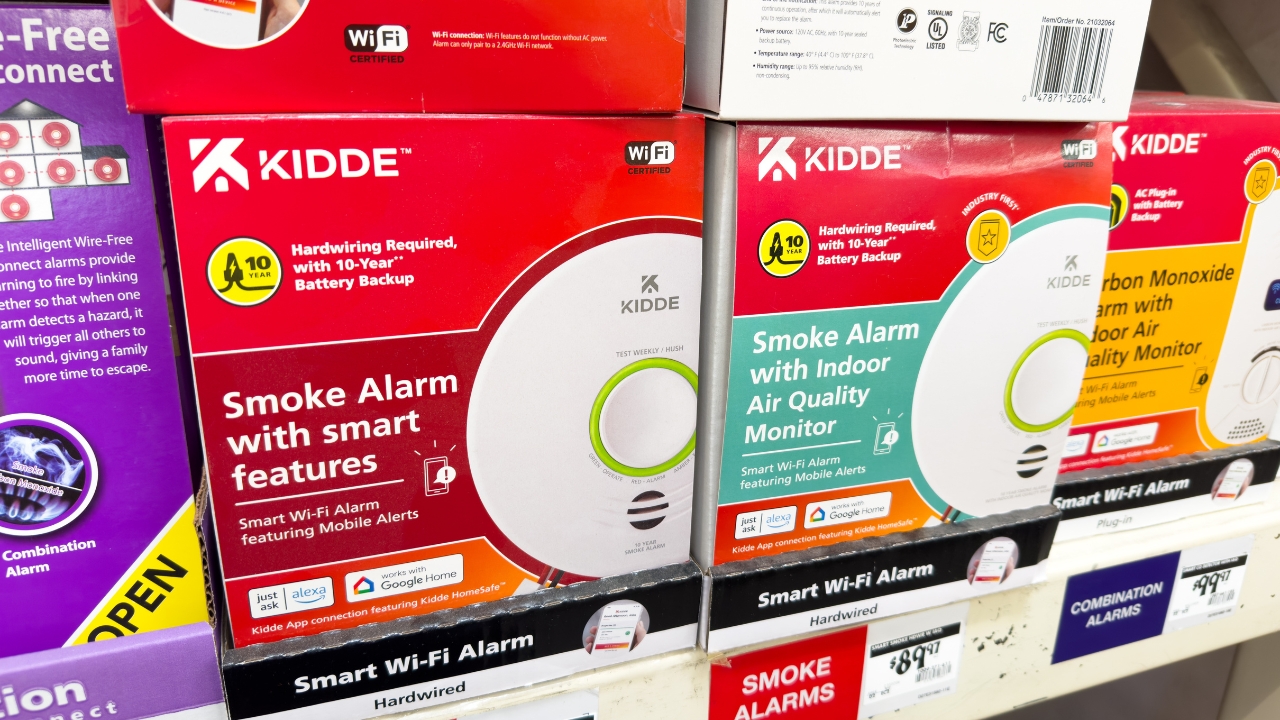
What “nuisance alarm resistant” actually means on the box
When you see the phrase “nuisance alarm resistant” on a smoke alarm box, you are being promised a device that can tell the difference between real danger and everyday life. That promise matters, because if your alarm screams every time you cook, you are more likely to take the batteries out or ignore it when it truly counts. Understanding what that label actually covers, and how it connects to new testing rules and codes, helps you choose alarms that protect you without driving you up the wall.
Behind that small line of packaging copy sits a decade of research, new laboratory tests, and updated standards that now shape what can legally be sold in stores. You are not just buying plastic and a sensor, you are buying into a system of requirements that tries to cut false alarms while still catching fast moving fires in modern homes filled with synthetic furnishings.
Why “nuisance alarm resistant” became a selling point
You have probably experienced the classic nuisance alarm: a shrieking detector responding to toast, shower steam, or a whiff of cooking oil. Those false alerts are more than an annoyance, they are a safety risk, because they tempt you to disable the alarm or move it somewhere useless, like a drawer. Researchers and code officials recognized that if alarms could not handle normal household conditions, they would fail at their most basic job of keeping you alive.
That is why manufacturers began leaning on the phrase “nuisance alarm resistant” as they redesigned products to cope with everyday smoke and steam. The label signals that the alarm has been tested against common non fire sources and tuned so it does not trigger as easily in those scenarios, while still responding quickly to real flames and smoldering upholstery. The goal is simple but demanding: fewer false trips, less tampering, and a higher chance that you will leave the alarm powered and in the right place.
How new UL standards define nuisance resistance
In the background, the phrase on the box is tied directly to technical rules that manufacturers must meet. The Dec document titled Smoke Alarm Standards Required explains that the NFPA Fire Alarm and Signaling Code now expects residential smoke alarms to comply with updated laboratory benchmarks such as UL 217 or UL 268, and it spells out that smoke alarms must be listed to those standards to be acceptable in homes. When you see nuisance resistance advertised, it usually means the device has been designed to satisfy those same tests that the code now references.
Those standards do not just check whether an alarm can detect smoke, they also look at how it behaves in situations that used to cause chronic false alerts. The Dec guidance on What it Means for Your Home ties nuisance resistance directly to those UL 217 and UL 268 listings, so the marketing language is backed by a formal definition rather than a vague claim.
Inside UL 217 and why it keeps evolving
When you flip the alarm over and see a reference to UL 217, you are looking at the core residential smoke alarm standard that shapes how nuisance resistance is measured. The Incor analysis of why UL listed alarms matter notes that the UL 217 standard evolves over time to address new fire patterns and to allow more accurate fire detection, and that evolution is exactly what has pushed nuisance testing to the forefront. As homes fill with synthetic materials that burn differently than older wood based furnishings, the standard has had to change to keep up.
Those changes are not cosmetic. The same Incor discussion of UL 217 explains that the standard’s revisions are designed to make detectors more versatile and effective across different fire risks, which includes balancing sensitivity to fast flaming fires with resistance to everyday cooking aerosols. When a box claims nuisance alarm resistance and cites UL 217, it is pointing to that evolving rulebook that tries to keep your alarm relevant to the way fires actually start and spread in modern homes.
What the 8th Edition means for your kitchen
The phrase “nuisance alarm resistant” took a big step forward with the 8th Edition of UL 217, which rewrote how alarms are tested against cooking smoke. The Fire Safety Update titled What is UL8? describes UL 217 8th Edition as the most significant update of manufacturing standards for smoke alarms in nearly two decades, and that scale of change is exactly why you now see more packaging calling out reduced false alarms. The new edition forces manufacturers to prove that their products can handle realistic cooking scenarios without constant tripping.
For you, that means an alarm that has passed UL 217 8th Edition should be less likely to scream every time you sear chicken or use a toaster, especially if it is installed in the recommended spot outside the immediate cooking zone. The same Fire Safety Update on Fire alarm changes underscores that this edition is reshaping how manufacturers design sensors and algorithms, which is why the nuisance resistance claim has become a practical promise rather than a marketing flourish.
How new sensors and algorithms cut false alarms
Modern nuisance resistant alarms do not rely on a single trick, they combine improved hardware with smarter processing. A manufacturer overview of Sensing Plus technology notes that UL Standard 217 8th Edition will require all smoke and fire alarms to feature sensors that are better at distinguishing between real fire signatures and harmless cooking aerosols, and it highlights that these designs are meant to address the number 1 culprit for deactivation, which is nuisance alarms. When a box advertises that it is resistant to false alerts, it is usually pointing to this new generation of sensor and software.
Those devices use the same basic physics as older photoelectric or ionization alarms, but they sample the air more intelligently and interpret the readings through algorithms tuned to the UL 217 8th Edition test patterns. The description of NEW Sensing Plus Smoke Alarms explains that these products are built specifically to meet Standard 217 8th Edition, and that focus on the updated sensor requirements is what allows them to claim better resistance to nuisance triggers while still reacting quickly to dangerous fires.
Why NFPA and UL tightened the rules
Nuisance resistance is not just a convenience feature, it is now embedded in the broader safety framework that NFPA and UL use to protect you. The Dec guidance on Smoke Alarm Standards Required makes clear that the NFPA Fire Alarm and Signaling Code expects residential smoke alarms to be listed to UL 217 or UL 268, which means nuisance performance is now part of what local inspectors and building officials look for. That shift reflects a recognition that an alarm that is constantly silenced or removed is effectively no alarm at all.
At the same time, UL has highlighted that new smoke alarm and detector requirements are intended to make certified alarms more sensitive to the way today’s household furniture and mattresses actually burn. A Fire Prevention Week briefing explains that these new updates require certified alarms and detectors available to the public to be more sensitive to the burning characteristics of today’s household furniture and mattresses, which often produce different smoke profiles than older materials. When you see nuisance resistance on the box, it sits alongside that increased sensitivity, both driven by the same push to align alarms with real world fire behavior described in the new updates.
How labs actually test “nuisance” scenarios
Behind the label, nuisance resistance is proven in controlled laboratories that try to mimic your kitchen and living room. A NIST history of upgraded smoke alarm performance standards explains that each of these tests takes place in a certified laboratory, and that to pass the first two tests, the alarm needs to detect smoke under specific conditions that represent different fire types. Those same facilities also run cooking related scenarios, such as controlled toast or hamburger burns, to see whether an alarm can avoid tripping too early or too often.
The NIST account notes that researchers evaluated whether updating the standards was worthwhile by looking at how alarms performed in both real fire and nuisance conditions, and that work fed directly into the UL 217 revisions that now underpin nuisance resistant claims. When you buy an alarm that advertises fewer false alerts, you are effectively buying the outcome of those Each of these tests that balanced nuisance behavior against life safety in standardized fire rooms.
Multicriteria and “Intelligent” alarms in everyday homes
Some of the most advanced nuisance resistant products go beyond a single sensor and use multiple criteria to decide when to sound. NFPA guidance on smoke alarm types notes that there are also alarms available that are multicriteria or intelligent alarms, and that what these devices do is combine different sensing technologies to be able to detect fires sooner while filtering out non fire sources. In practice, that can mean pairing a photoelectric chamber with heat or gas sensing so the alarm looks for a pattern that truly matches a growing fire.
For you, that means a device that is less likely to react to a quick puff of steam or a brief cooking plume, because it is waiting for a combination of signals that indicate real danger. The NFPA discussion of Intelligent multicriteria alarms frames these products as a way to both reduce nuisance alarms and detect fires sooner, which is why you increasingly see “intelligent” or “smart” language paired with nuisance resistance on packaging aimed at tech savvy homeowners.
What “differentiating smoke” really means on the label
When a box promises that an alarm can “tell the difference” between smoke types, it is echoing language from the latest UL and ANSI requirements. A technical presentation on ANSI/UL 217 8th Edition and ANSI/UL 268 7th Edition explains that the revised requirements will necessitate that the new smoke alarms and smoke detectors will be able to differentiate between smoke from actual fires and smoke from cooking, and it describes these changes as some of the most significant that facility managers have seen in recent times. That ability to differentiate is the backbone of nuisance alarm resistance.
In practical terms, the alarm’s internal logic has been trained, through testing and calibration, to recognize the particle sizes, densities, and growth patterns that match a real fire versus a pan that briefly smokes. When you see language about “advanced differentiation” or “cooking smoke rejection” alongside nuisance resistance, it is pointing back to those ANSI/UL 217 and 268 revisions described in the revised requirements, which now require alarms to prove that they can make that distinction under controlled conditions.
Like Fix It Homestead’s content? Be sure to follow us.
Here’s more from us:
- I made Joanna Gaines’s Friendsgiving casserole and here is what I would keep
- Pump Shotguns That Jam the Moment You Actually Need Them
- The First 5 Things Guests Notice About Your Living Room at Christmas
- What Caliber Works Best for Groundhogs, Armadillos, and Other Digging Pests?
- Rifles worth keeping by the back door on any rural property
*This article was developed with AI-powered tools and has been carefully reviewed by our editors.