What to Check on Your Property Before the First Winter Storm
The first real winter storm is always a good test of how prepared you are. You find out quickly which gates freeze, which pipes aren’t insulated enough, and which parts of the yard turn into ice rinks. I’d rather figure that out before the weather hits if I can.
A quick walk around the property with a checklist saves a lot of scrambling once the temperature drops.
Water Lines, Hoses, and Outdoor Faucets
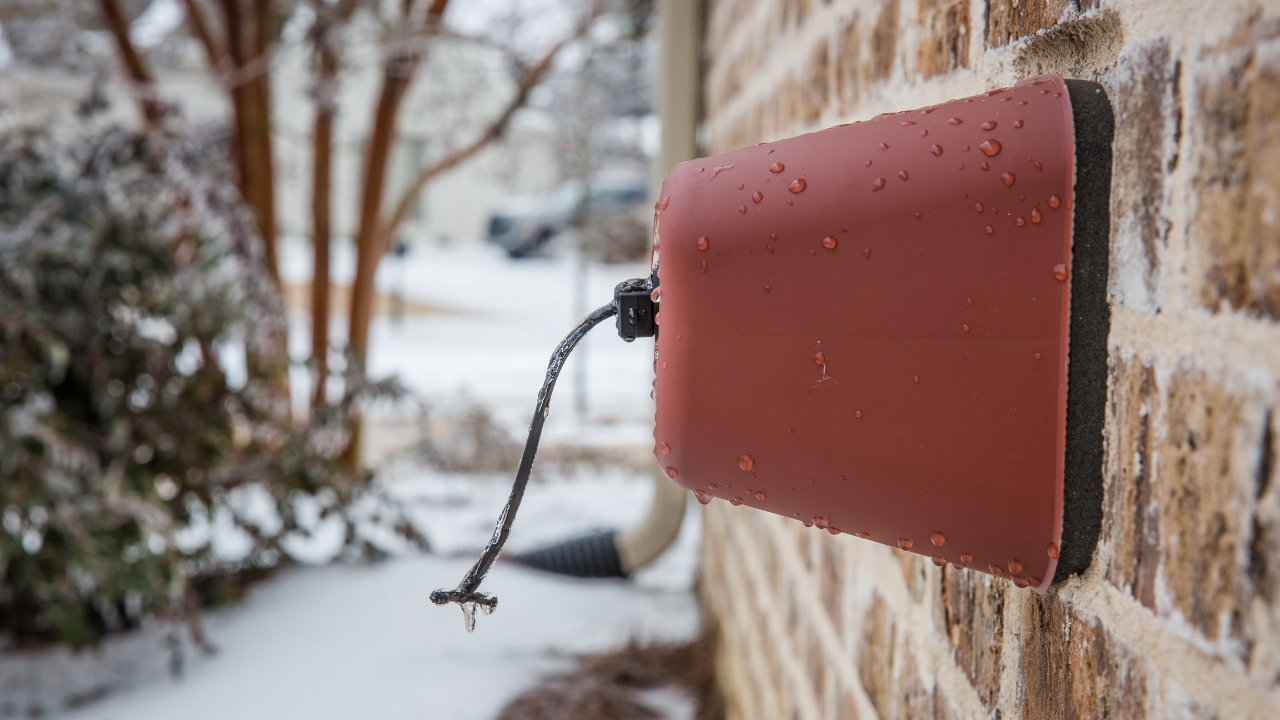
Check every outdoor spigot, hose, and exposed pipe. Unhook hoses, drain them, and put them away. Add covers to faucets and wrap any bare stretches of pipe you can see near the house, barn, or well.
If you know a certain line has frozen before, give it extra attention now instead of hoping for the best.
Trees, Limbs, and Anything Hanging Over Driveways
Walk your driveway and the areas where you park vehicles or equipment. Look for dead limbs, leaning trees, or branches hanging low over power lines or roofs.
If something looks questionable, deal with it before ice or heavy snow brings it down where you really don’t want it.
Gutters, Roof, and Drainage

Make sure gutters are clear enough that water can actually move. Check for spots where water pools around the foundation or near doors.
If you can safely clear debris off the roof or out of gutters, do it. The goal is to keep meltwater from backing up and freezing where it can cause leaks or big ice patches.
Animal Areas and Pathways
Walk the paths you’ll use to get to the barn, coop, or feed area. Are there deep ruts, slick slopes, or clutter you’ll trip over when everything is dark and frozen?
Lay down gravel, sand, or mats where you know ice tends to form. Clear junk out of the way now so you’re not stumbling over it with a bucket in each hand later.
Equipment, Fuel, and Backup Heat
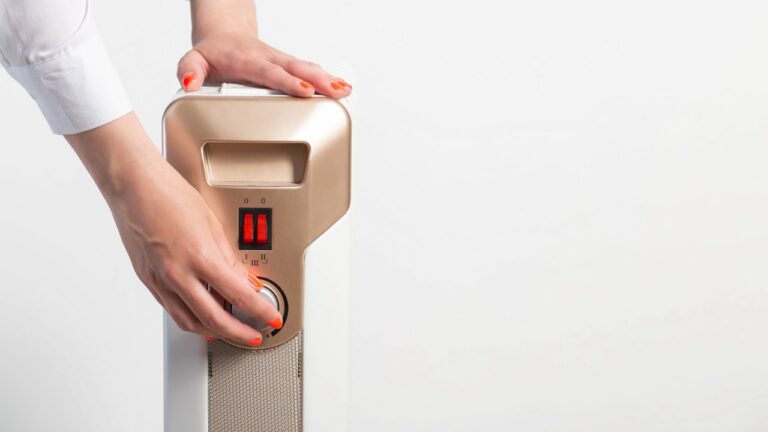
Check that generators work, extension cords are where you think they are, and you have fuel safely stored. Same for any space heaters you plan to use—give them a test run.
It’s much easier to find a problem on a mild afternoon than when the wind is howling and the lights flicker.
Vehicles and Emergency Basics
Make sure vehicles have decent tires, enough coolant, working wipers, and a basic emergency kit: blanket, flashlight, phone charger, snacks.
You’re not trying to prep for the end of the world—just trying not to be stuck on the side of the road in freezing wind with nothing on hand.
Like Fix It Homestead’s content? Be sure to follow us.
- I made Joanna Gaines’s Friendsgiving casserole and here is what I would keep
- Pump Shotguns That Jam the Moment You Actually Need Them
- The First 5 Things Guests Notice About Your Living Room at Christmas
- What Caliber Works Best for Groundhogs, Armadillos, and Other Digging Pests?
- Rifles worth keeping by the back door on any rural property
*This article was developed with AI-powered tools and has been carefully reviewed by our editors.