What to do with fallen leaves when you do not want more mulch
If you live around trees, fall can feel like a full-time job with a rake. And if your beds are already mulched, you might not want to add another thick layer of leaves on top. The good news is you don’t have to bag everything and send it off. There are smarter ways to use those leaves without turning every bed into a soggy blanket.
Shred and use them lightly where it makes sense
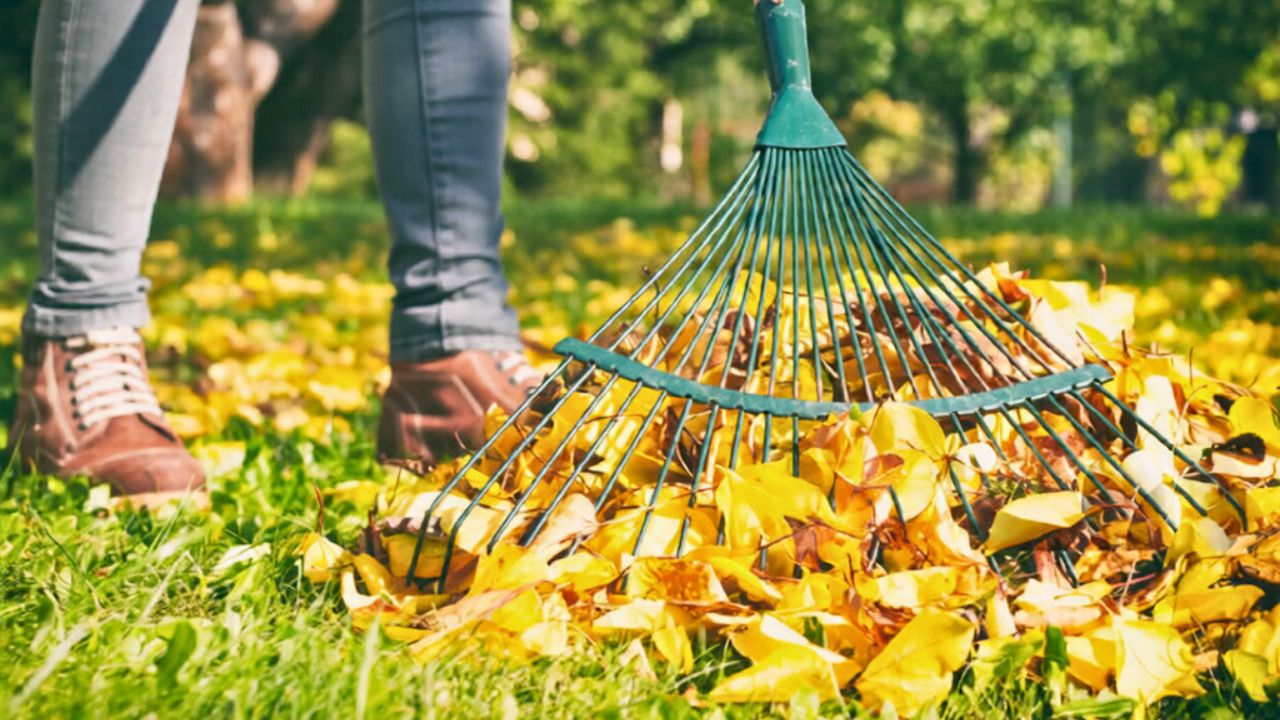
Whole leaves mat down and can smother grass or hold too much moisture against plants. If you’re going to use them in beds, shredding makes a huge difference. Run the mower over leaf piles or use a leaf shredder if you have one.
Then, instead of dumping them everywhere, sprinkle a light layer in spots that could use a little extra protection—around shrubs, under trees, or in bare areas that erode easily. Think “thin blanket,” not “thick comforter.”
Start a simple leaf-only compost pile

If your main beds are set, consider starting a dedicated leaf compost pile instead of forcing more mulch into borders. Pick a corner of the yard and pile leaves there loosely. If you can, mix a few green materials in occasionally—grass clippings, kitchen scraps, or spent plants—to help them break down faster.
You don’t have to manage it perfectly. Even with minimal turning, leaf piles slowly turn into rich, crumbly material you can use later in garden beds or potting mixes. You’re basically parking this year’s leaves to become next year’s soil help.
Use bagged leaves as insulation for tender plants or pots
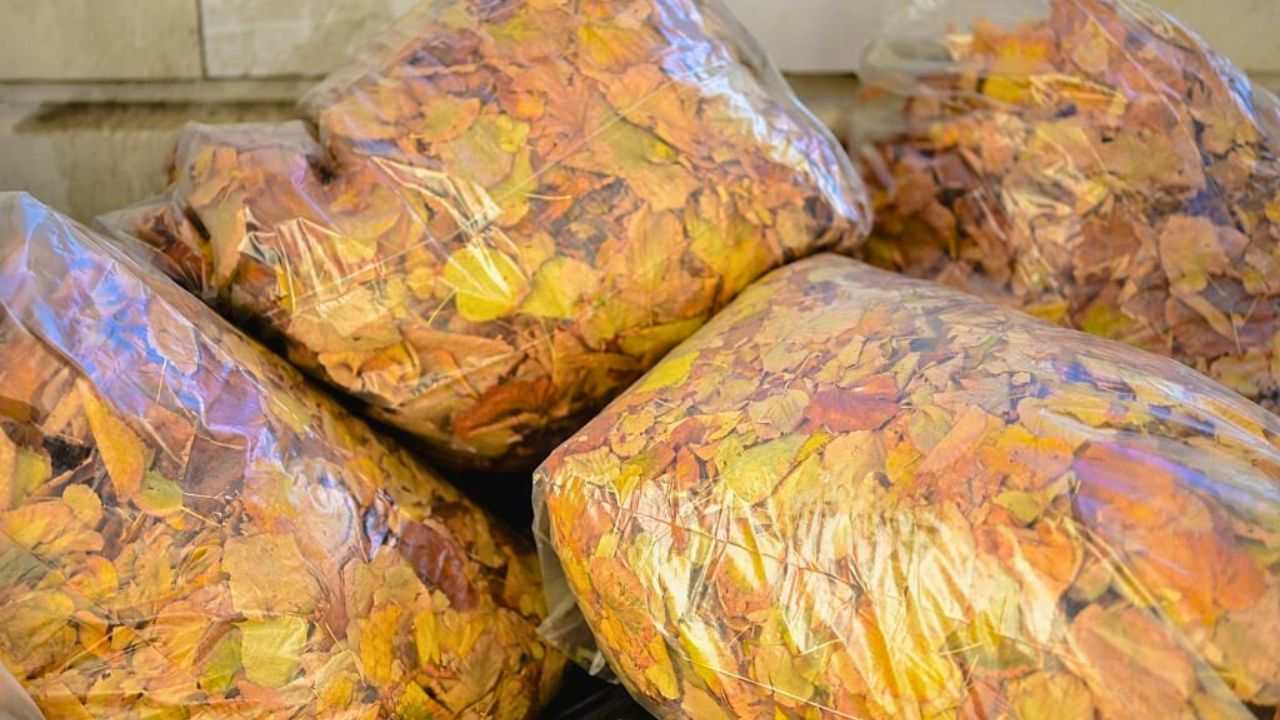
If you’ve got perennials in pots or a raised bed you’re worried about, bagged leaves make great insulation. Fill large trash bags or yard bags with dry leaves and place them around the outside of pots or along the edges of raised beds to act as a wind and cold buffer.
You’re not dumping the leaves into the soil—you’re using them like little insulating pillows. Come spring, you can open the bags, use what’s inside as compost or mulch where needed, or even top up your leaf pile.
Make a temporary leaf “corral” for kids or pets
If you’ve got kids, fallen leaves can buy you an entire afternoon of playtime. Rake them into a big pile away from your main beds and designate it as the jump-in pile. You’re containing the mess in one spot instead of spreading random piles all over the yard.
When everyone’s tired of it, you can move that one pile to a compost spot or bag it. It feels a lot less overwhelming than having ten small piles everywhere you look.
Protect bare soil and pathways you’re not ready to re-do
If you have an area of bare soil, a dirt path, or a spot where grass struggles, a thin layer of leaves can help hold things in place over winter without committing to full-on mulch. Spread them just thick enough to cover the ground.
The goal is to keep rain from washing soil away and reduce spring weeds a bit. In the spring, you can rake back what’s left and decide whether to reseed, add gravel, or redo that area in a different way.
Offer extra leaves to neighbors or local gardeners
If you truly have more leaves than you can use, check if neighbors, community gardens, or local gardeners want them. Plenty of people look for free leaves for their compost systems and beds.
Bag them dry and label them as leaves only (no trash or pet waste). It gets them out of your hair without wasting them, and you might make a gardener friend in the process.
Balance keeping things tidy with leaving some for wildlife
You don’t have to clear every leaf. Leaving a light scattering under shrubs or along the edges of the yard can help insects and small wildlife overwinter. Just avoid thick, matted layers on lawns or packed against the crowns of plants.
Think of it as editing, not erasing—use what you can for practical purposes, stash some to break down, and clean up the areas that really need to stay clear, like walkways and main beds.
Like Fix It Homestead’s content? Be sure to follow us.
- I made Joanna Gaines’s Friendsgiving casserole and here is what I would keep
- Pump Shotguns That Jam the Moment You Actually Need Them
- The First 5 Things Guests Notice About Your Living Room at Christmas
- What Caliber Works Best for Groundhogs, Armadillos, and Other Digging Pests?
- Rifles worth keeping by the back door on any rural property
*This article was developed with AI-powered tools and has been carefully reviewed by our editors.