What to keep staged safely so you’re not scrambling when trouble shows up
When trouble hits, you rarely get a calendar invite first. Power fails, roads close, or smoke rolls in, and you have only the gear you can reach in seconds. The difference between chaos and control is what you have already staged, in the right place, ready to grab without thinking.
Instead of picturing a single “doomsday” stash, you are better off setting up a few small, strategic stations around your home, car, and daily routine. With a little planning, you can turn closets, nightstands, trunks, and even your breaker box into quiet safety nets that keep you from scrambling when the unexpected shows up.
1. Start with a realistic home baseline
Your first priority is a home setup that covers the basics for several days, even if you cannot leave or stores are closed. That means enough food, water, light, and first aid to ride out the kind of disruptions your area sees most often, from winter storms to grid failures. A practical way to think about it is as a layered system: a core stash that never moves, plus smaller kits you can grab if you need to evacuate.
Guides on emergency planning stress that building a reliable reserve is more than tossing a few extra cans in the cart. You are urged to follow a strategic approach to food and supplies, rotating items before they expire and tailoring them to your household’s medical needs and dietary limits, a point underscored in a detailed Jul Building checklist. That same mindset should shape everything else you stage, from batteries to blankets, so you are not discovering dead gear in the middle of a crisis.
2. The core “Basic Disaster Supplies Kit” you never unpack
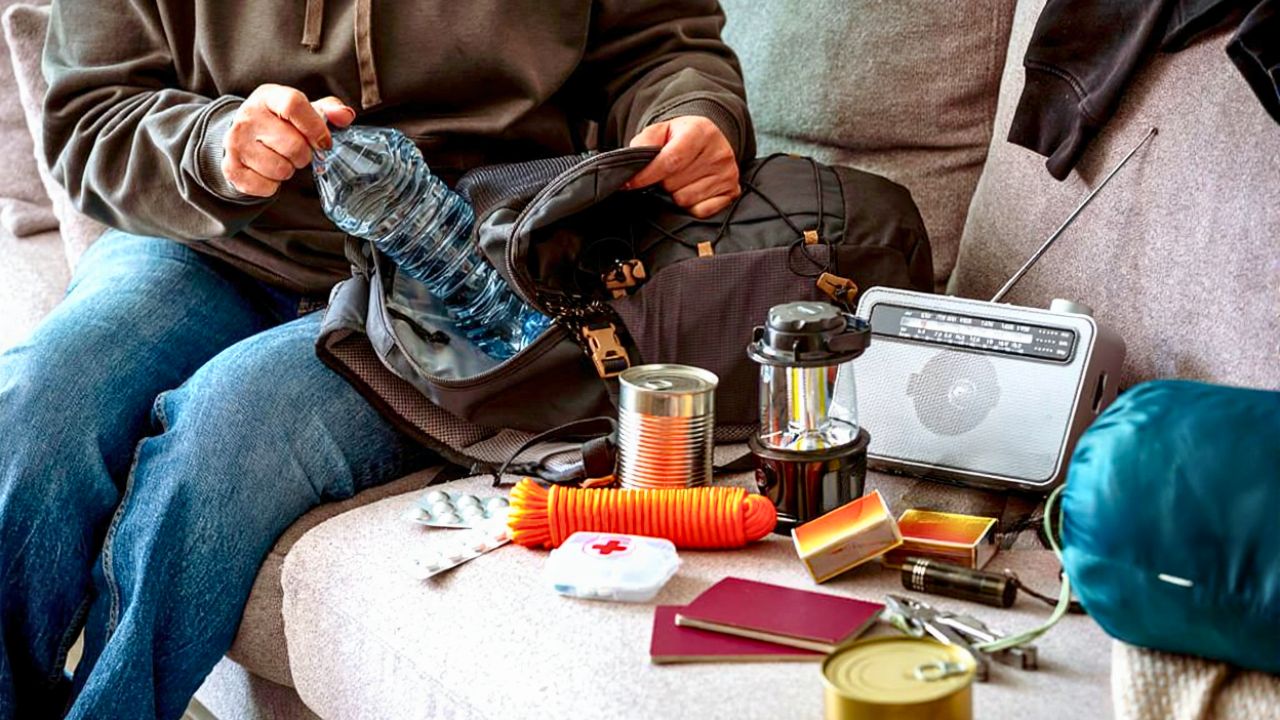
Every household needs a central cache that simply stays packed, labeled, and ready. Federal guidance describes a Basic Disaster Supplies Kit built around essentials like Water (one gallon per person per day), nonperishable food, a battery powered or hand crank radio, flashlights, extra batteries, and phone chargers with a backup battery. The key is to store these items in airtight plastic bags, then group them in one or two sturdy containers that you can move quickly if you have to leave.
Think of this as the kit you do not raid for camping trips or minor inconveniences. It should also include a whistle, dust masks, moist towelettes, garbage bags, and basic tools so you can shut off utilities or make small repairs. When you keep the core kit intact and separate from everyday clutter, you create a dependable anchor for every other staging point in your home, from the bedroom to the breaker box.
3. Water and food staged where you will actually use them
In almost every emergency, water is the first nonnegotiable. Multiple agencies converge on the same baseline: at least one gallon of Water per person per day, with a minimum three day supply for evacuation and a larger reserve if you plan to shelter in place. That standard appears in survival kit guidance that spells out how much Water you should have ready, and it is echoed in state level advice that tells you to Keep at least a three day supply per person, while also noting that Children, nursing mothers, and people who are ill may need more.
Food planning should follow the same disciplined logic. Federal materials on food and water in an emergency recommend nonperishable staples that do not require cooking, refrigeration, or extensive preparation, along with a manual can opener and disposable utensils. You can stage a portion of this reserve in the kitchen for easy rotation, but keep a sealed box in a closet or under a bed so you still have calories if a broken pipe or kitchen fire makes that room off limits.
4. A bedroom “go corner” for midnight emergencies
When something goes wrong at night, you will not have time to rummage through drawers. Fire safety experts urge you to create a small “go corner” in the bedroom so you can move from sleep to action in seconds. A practical Kit Checklist for wildfire evacuations, for example, recommends a sturdy pair of shoes (preferably boots) and a spare flashlight near your bed so you can navigate broken glass, debris, or dark hallways without injury.
Next to those basics, keep a small pouch with a copy of your ID, a spare house key, a list of critical phone numbers, and any medication you would need in the first 24 hours. Families are also encouraged to let each person personalize their bag or corner so it feels familiar rather than abstract; one county level guide notes that Lastly, each family member should add something personal that makes them feel comfortable, which can be as simple as a favorite photo or small toy.
5. Turning your breaker box into a calm command post
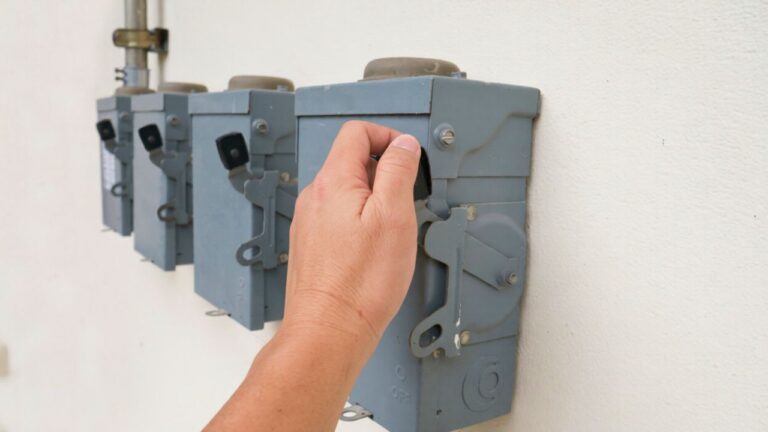
Power outages are one of the most common disruptions, yet many people treat the breaker box as an afterthought. When the lights cut out, you do not want to be on your hands and knees in the dark, feeling around for a flashlight. Practical advice on electrical panels suggests staging a small, wall mounted caddy or shelf so that, When the lights go, that corner becomes a calm, organized command post instead of a blind scramble.
In that spot, keep a headlamp, a compact lantern, spare batteries, a laminated map of your circuits, and a marker so you can label any mystery breakers during routine checks. Add a small notepad to log what you shut off and when, plus a basic noncontact voltage tester if you are comfortable using one. By treating the breaker box as a mini hub rather than a metal door you ignore, you give yourself a reliable starting point for any outage, whether it is a neighborhood blackout or a single tripped circuit.
6. The 72-hour grab-and-go kit you can carry
If you have to leave home quickly, you will not be able to haul your entire pantry. That is where a compact, time bound bag comes in. Fire districts and emergency planners often talk about a 72-Hour setup, and one guide explicitly labels its list as Hour Emergency Kit Items, urging you to Store everything in airtight plastic bags inside one or two easy to carry duffel bags or backpacks.
This mobile kit should mirror your home baseline in miniature: three days of food and water, prescription medications, copies of important documents, basic hygiene supplies, and simple activities or comfort items for children. A separate wildfire focused checklist highlights how crucial Key Documents and Cash can be if your home is damaged or destroyed, since you may need to prove your identity and property ownership when systems are strained. Keeping those papers and some small bills already packed means you are not rifling through file cabinets while smoke is on the horizon.
7. Car kits: from daily breakdowns to evacuations
Your vehicle is both a lifeline and a potential trap, so it deserves its own staged gear. Highway safety officials outline Kit Basics for breakdowns that include 12 foot jumper cables, a Flashlight and extra batteries, Rags, a HELP sign at least 8 inches across, Bottled water, and work gloves. Those items belong in a dedicated bin or bag so you can reach them from the driver’s seat without unloading the trunk on the shoulder of the road.
Insurance guides go further, offering a detailed Checklist for a car emergency kit that starts with what you need to take care of yourself, from gauze pads and adhesive tape to antiseptic wipes. Organization experts echo that advice, urging you to Keep a storage bin or basket in your trunk with a first aid kit, blankets, water, snacks, and paper towels in case things get messy. Parents are reminded that, While it might seem like a lot to keep on hand, having essentials organized in a designated bin or tote keeps the kit accessible, a point made in a family focused guide that notes While parents may feel overloaded, a tidy system actually reduces stress.
8. Kid-friendly and family-specific staging
Preparedness is not one size fits all, especially if you have children, older adults, or pets in the mix. National guidance on family planning encourages you to Use the same core principles for everyone, but to adjust the contents of each bag or station to match age, mobility, and medical needs. That means extra formula or diapers for infants, mobility aids or spare glasses for older relatives, and leashes, carriers, and food for animals that will be evacuating with you.
Children in particular cope better when they have some control and familiarity. Alongside the official lists, you are urged to let kids help choose a small toy, book, or game for their own bag, echoing the advice that each person should add something personal that makes them feel comfortable. When you stage these items in the same place every time, walk through how to grab them, and practice short “drills” that feel more like a game than a lecture, you turn abstract fear into a concrete plan everyone understands.
9. Keeping it all organized so it works under pressure
Even the best gear fails you if it is buried under holiday decorations or scattered across five closets. Weather agencies that publish Recommended Supplies to Include in a Basic Kit, from a Backpack or storage tub to Bottled Water and warm clothes, also stress that your containers should be clearly labeled and easy to move. That same logic applies inside your home: use color coded bins, simple tags, and consistent locations so you can send a teenager or neighbor to “grab the red box by the front door” without a long explanation.
Finally, treat your staged setups as living systems rather than museum pieces. Review them at least once a year, or any time your household changes, and update medications, documents, and clothing sizes. National organizations that list Water, food, and towels as minimum supplies, and state agencies that detail plastic ties for personal sanitation, both assume you will revisit those lists as your life evolves. If you build that quick check into a seasonal routine, your staged gear will be ready to do its job when trouble finally knocks.
Like Fix It Homestead’s content? Be sure to follow us.
Here’s more from us:
- I made Joanna Gaines’s Friendsgiving casserole and here is what I would keep
- Pump Shotguns That Jam the Moment You Actually Need Them
- The First 5 Things Guests Notice About Your Living Room at Christmas
- What Caliber Works Best for Groundhogs, Armadillos, and Other Digging Pests?
- Rifles worth keeping by the back door on any rural property
*This article was developed with AI-powered tools and has been carefully reviewed by our editors.