What to shut down before a storm to avoid long-term damage
When a major storm is on the way, what you shut down can matter as much as what you board up. Power, water, gas, electronics, and even your HVAC system all behave differently under stress, and the wrong decision can turn a short outage into a months‑long repair saga. Thinking in terms of long‑term damage, not just riding out a single night, helps you decide what to switch off, unplug, or elevate before the first gust hits.
The goal is not to live in a bunker, but to break the chain of events that leads from wind and water to fire, corrosion, and ruined systems. With a clear checklist and a few minutes of preparation, you can shut down the right parts of your home so that when the storm passes, you are dealing with minor cleanup instead of structural loss or a stack of replacement bills.
Start with a whole‑home risk scan
Your first move should be a quick, systematic scan of how a storm could actually hurt your home over the long term. Look at where water will try to get in, where wind can turn objects into projectiles, and where electricity, gas, or sewage could turn physical damage into fire or contamination. Guidance on natural disaster preparation stresses that you should Check your roof, windows, and doors in advance, since weak points there can let in water that quietly rots framing and insulation long after the storm has cleared.
As you walk the property, think in layers: what needs to be physically secured, what needs to be unplugged, and what needs to be fully shut off at the breaker or main valve. Storm damage specialists emphasize that Regular maintenance and keeping your home in good condition are the foundation, but in the hours before a storm you are making targeted decisions about which systems are safe to leave running and which could amplify damage if they stay live.
Electricity: what to unplug and when to shut it off
Electricity is the system most likely to turn storm damage into something catastrophic, so you should treat it in two tiers: unplugging sensitive devices and, in higher‑risk scenarios, shutting off power entirely. Electrical safety experts advise you to Unplug Appliances like televisions, computers, game consoles, and countertop gadgets before the first lightning or wind gusts arrive, since these are the items most likely to be fried by a surge even if the rest of the house comes through intact.
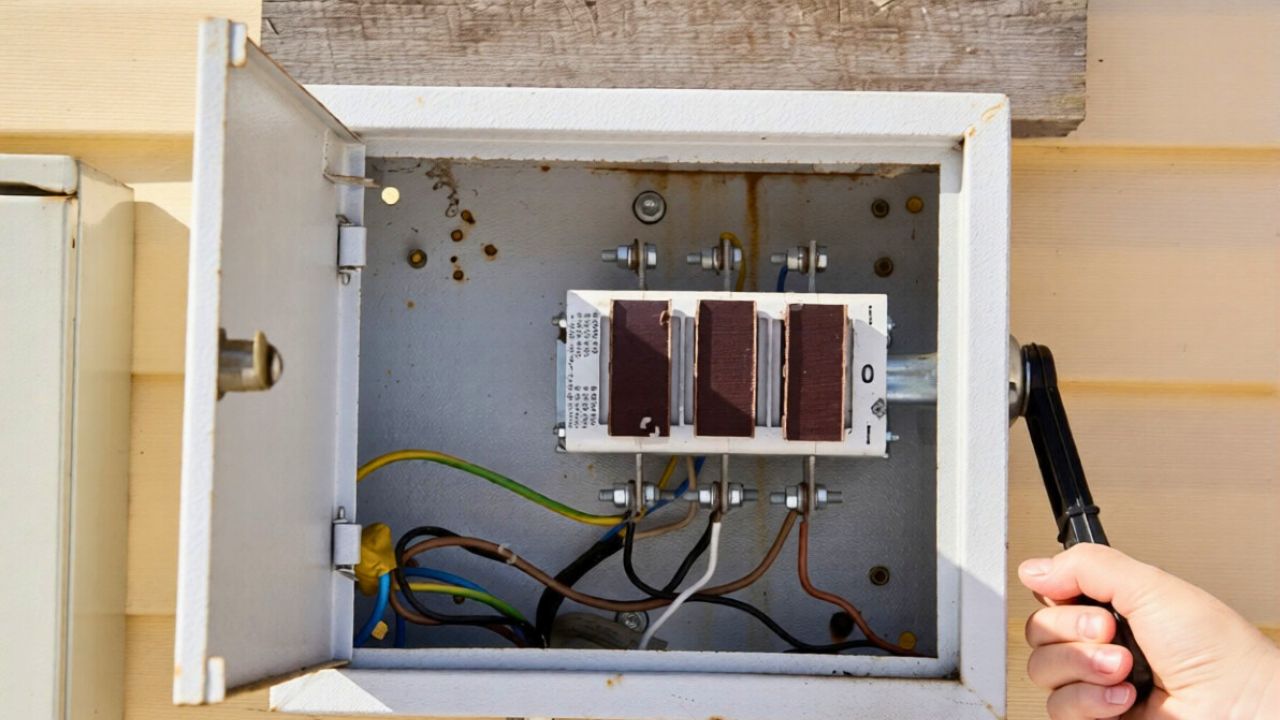
For stronger systems like your main panel, you need to weigh flood and fire risk. Some emergency guides recommend that if you expect serious flooding, you should Turn off the power at the main breaker before you leave, which prevents energized circuits from interacting with rising water. Advice on hurricane preparation echoes that you should Manage Electricity Before a Hurricane by learning exactly where your main shutoff is and how to operate it, so you are not fumbling in the dark when the water is already at the doorstep.
Electronics and data: prevent silent, expensive losses
Beyond the big appliances, your most fragile assets are often the small electronics that hold your work, photos, and financial life. Surge protectors help, but they are not a guarantee against a direct strike or a severe grid fluctuation. One electrical safety guide notes that Taking precautions during a storm can prevent costly electrical repairs, and that starts with physically disconnecting devices from the wall so they are isolated from any surge that rides in on the power lines.
Before you pull the plugs, protect what is inside those devices. Storm preparation checklists for power quality recommend that you Back Up Important and Save copies of key documents and photos to an external drive or cloud service, so a fried laptop does not also erase your records. Lightning protection advice reinforces that you should simply Unplug televisions, computers, and other electronics if a storm is imminent, since no surge strip is as reliable as a physical gap in the circuit.
HVAC systems: when to power down and how to protect units
Your heating and cooling equipment is both expensive and exposed, which makes it a prime candidate for a deliberate shutdown before severe weather. Outdoor condensers and heat pumps sit in the open, where flying debris and high winds can bend fins, break fan blades, or topple the entire unit. HVAC specialists advise that you focus on Preparing Your HVAC by tying down or bracing outdoor equipment and using covers that will not become sails in Strong winds, since Secure Outdoor Units can prevent both mechanical damage and electrical fires.
Shutting the system down correctly is just as important as the physical protection. Guidance on storm‑season operation recommends that you Shut Down the off the thermostat so the system does not try to cycle during unstable power, then Shut off the power at the dedicated disconnect or breaker. For longer outages or seasonal shutdowns, technicians stress that you should Turn off the power to the outdoor unit entirely and Find the circuit breaker that controls it, which prevents the system from trying to start up in unsafe conditions and protects delicate components from surges.
Water, gas, and sewer: know your shutoff points
While electricity gets most of the attention, water and gas lines can quietly magnify storm damage if you leave them running into a compromised structure. If a tree takes out part of your roof or a wall, an open gas line or pressurized water pipe can turn a structural problem into a fire or flooding emergency. Some emergency responders are blunt that in a serious hurricane scenario the answer to whether you should shut off utilities is simply Yes, since Electricity and gas together are a recipe for fire if the building shell fails.
Utility‑focused storm guides recommend that What To Do starts with locating your main water shutoff and gas meter valve so You can close them with a quarter‑turn if a leak is suspected. Maybe you never touch those valves in normal life, but learning how to turn one until it stops before a storm gives you the option to isolate your home if you smell gas or see water pouring from a broken line. Hurricane‑specific advice adds that you should Learn where and how to shut off your home’s electricity and understand when it is acceptable to leave gas service on at the meter while closing individual appliance valves instead.
Lightning and surge protection: when “off” is not enough
Lightning does not need a direct hit to cause long‑term damage, since nearby strikes can send Electrical surges racing through power and data lines. Disaster safety experts underline Why it matters: Electrical strikes can damage and destroy appliances, electronic devices, and even cause fires inside walls where you will not see the problem until much later. If you cannot afford a full lightning protection system, the next best move is to reduce the number of connected devices that can act as pathways for that energy.
That means going beyond simply flipping switches to physically disconnecting cords and cables. Home protection advice on lightning stresses that the simplest step is to How you Unplug televisions, computers, and other sensitive gear from both power and data lines, since phone and cable connections can also carry surges. Broader electrical safety guidance on storm season repeats that before the storm begins it is important to Preparing for Storm with Essential Electrical Safety Tips like unplugging appliances and making sure phones and battery packs are fully charged so you are not tempted to plug devices back in while the grid is still unstable.
Outdoors: vehicles, loose items, and things that rust
Outside, your priority is to keep the storm from turning your own belongings into battering rams or long‑term rust problems. High‑wind safety advice highlights simple Tips like moving patio furniture, grills, and trash cans inside and using a garage to Store your vehicles so you can Put the cars you plan to leave behind under cover. Home insurers add that as soon as you learn a storm is heading your way, you should Clear outdoor gear and trim any branches that appear loose, since each year the National Weather Service tracks significant damage from limbs that were weak long before the wind arrived.
Flood risk adds another layer: anything that can rust or corrode should be moved up and unplugged. Emergency preparedness guidance advises you to Elevate Items That or Corrode if flooding is predicted, which includes not just tools and lawn equipment but also portable appliances and electronics that sit near the floor. If you are evacuating a business, commercial risk managers recommend that To reduce the risk of fires and other calamities, you turn off the electricity to all non‑essential equipment and shut down production lines and any connected pipes before the storm, so you are not feeding power or product into a damaged space.
Doors, windows, and water pathways
Even if you shut down every system, water that gets inside can quietly destroy flooring, drywall, and wiring over time. That is why storm‑prep checklists put so much emphasis on the building envelope. Flood and wind guidance explains that Sealing doors and windows with weather‑stripping or caulking can help prevent water from entering your home during a storm, and that you should Use gutter cleaning and downspout extensions to keep water from overflowing and entering at the foundation.
Outside, treat anything that can move in the wind as a potential leak or impact point. Public‑service advice on storm safety notes that How you prepare and protect your home before a storm hits includes securing any loose objects in the garden and on balconies, because There are plenty of cases where a flying bin or chair has shattered a window and let in hours of driven rain. Broader disaster‑resilience guidance adds that However well built your home is, small steps like checking seals and latches can make the difference between a dry interior and a long, mold‑ridden rebuild.
If you have to evacuate: last‑minute shutdowns
When officials tell you to leave, your priority is speed and safety, but a short checklist of shutdowns can still protect your home while you are gone. Municipal evacuation guidance advises that if What Evacuation Is Necessary, you should Leave as soon as possible, ideally in daylight, Avoid flooded roads, and Secure your home by unplugging appliances and turning off utilities if instructed so you do not have to be concerned about your safety once you are on the road.
That last sweep through the house is when you pull together everything you have already prepared. Utility experts suggest that You take steps to prepare before severe weather by practicing how to shut off water and gas, so in the moment you can simply act. Maybe you will not always need to close every valve, but having the habit of turning the main handle until it stops when conditions warrant can prevent leaks that would otherwise run unchecked for days. Emergency preparedness advice for severe weather also notes that if you are forced out quickly, you should Turn Off the at the main panel if flooding is likely and follow local instructions on gas, since utility crews may need to restore service area by area once the storm has passed.
Like Fix It Homestead’s content? Be sure to follow us.
Here’s more from us:
- I made Joanna Gaines’s Friendsgiving casserole and here is what I would keep
- Pump Shotguns That Jam the Moment You Actually Need Them
- The First 5 Things Guests Notice About Your Living Room at Christmas
- What Caliber Works Best for Groundhogs, Armadillos, and Other Digging Pests?
- Rifles worth keeping by the back door on any rural property
*This article was developed with AI-powered tools and has been carefully reviewed by our editors.