What to turn off immediately when power goes out so nothing gets damaged
When the lights cut out without warning, the first few minutes decide whether you simply ride out an inconvenience or end up paying for fried electronics and ruined food. The safest move is to treat every outage as if a damaging surge will follow when power returns. That means moving quickly, in a specific order, to shut down the appliances and systems most likely to be harmed.
With a short checklist and a bit of practice, you can protect your home’s wiring, your most expensive devices, and even your family’s emergency supplies. The key is knowing exactly what to turn off, what to leave alone, and how to prepare so you are not scrambling in the dark.
Why the first minutes of an outage matter
Your instinct in a blackout might be to hunt for candles or your phone, but the grid is still “alive” in the background, and what happens in those first minutes can quietly damage your home. When power fails, it often comes back in unstable waves, with voltage that sags and then spikes as utilities repair Damage to the Grid. Those fluctuations create Noticeable surges and brownouts that sensitive electronics are not built to tolerate.
That is why utilities and emergency managers consistently put “turn things off” near the top of their outage checklists. One guide advises you to Turn off or unplug appliances as an early step, while another city list warns that Power may fluctuate when service is restored. If you move quickly to shut down the right devices, you turn a chaotic moment into a controlled one, and you dramatically cut the odds of losing a refrigerator, a gaming console, or a home office in a single surge.
Start at the source: your breaker panel and big appliances
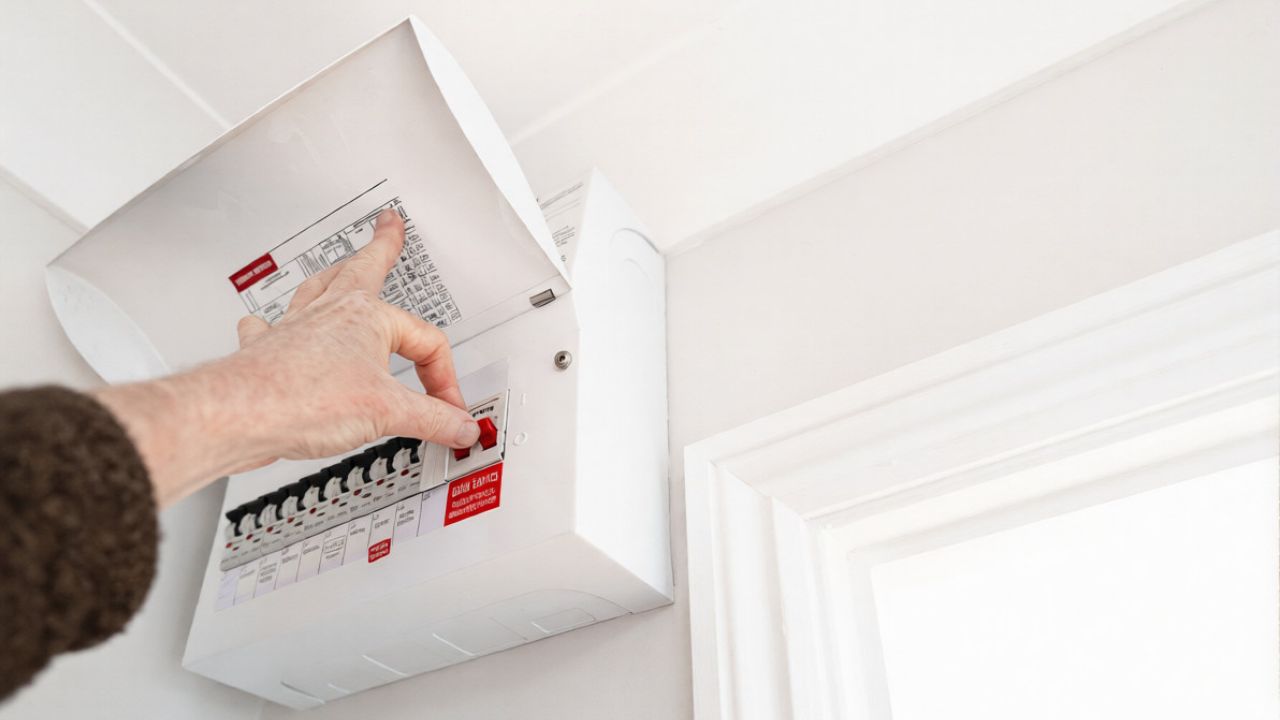
The safest place to begin is not with individual plugs, but with the circuits feeding your largest loads. Guidance shared as Advice from PGE urges you to Turn off major appliances at the breaker box when the power goes out. That means flipping off dedicated circuits for central air conditioning, electric ranges, electric water heaters, and well pumps if they are labeled. By doing this, you prevent those heavy loads from all trying to restart at once when electricity returns, which can strain motors and your home’s wiring.
Once the big circuits are off, you can move to individual devices. One outage checklist recommends that, after you address immediate safety issues, your next priority is protecting your home’s major systems and appliances from damage, including the Electronics that control furnaces, refrigerators, and garage doors. Another utility suggests you Reset circuit breakers only after the wider area’s power is stable, so you are not repeatedly slamming your system with partial voltage. Treat the panel as your master switch, and you will have far more control over how your home “wakes up” when the grid does.
What to switch off in the kitchen
The kitchen is packed with high draw appliances that can be damaged by unstable current or create hazards if they restart unattended. If the stove or oven was on when the lights went out, turn the knobs to off immediately so a burner does not roar back to life later. Guidance from one city urges you to Turn off or disconnect appliances and equipment that were in use when the outage began, specifically mentioning items like air conditioners that can be damaged by fluctuating power. The same logic applies to microwaves, dishwashers, and countertop ovens, which should be switched off or unplugged.
Your refrigerator and freezer are a special case. You generally want them to stay plugged in so they resume cooling as soon as power stabilizes, but you must manage them carefully. One emergency supply guide notes that during an outage you should keep refrigerator and freezer doors closed as much as possible, explaining that Managing Without Power the doors shut to preserve cold air. Local officials also warn that if you lose your heat source and food has been sitting in a warm fridge, you should treat it cautiously and, if in doubt, throw it out, advice echoed in a post that begins with Our reminder that spoiled food is not worth the risk. The priority in the kitchen is to eliminate surprise restarts and protect both equipment and food safety.
Electronics and home office gear to unplug first
Modern electronics are especially vulnerable to the kind of voltage spikes that often accompany restoration. One outage checklist singles out Electronics as a category that can suffer serious damage or even cause injury if they are hit by a surge. That includes desktop computers, laptops, gaming consoles, smart TVs, Wi‑Fi routers, and networked storage drives. A separate guide on preparing for outages advises you to Invest in quality Surge Protectors as part of broader Tips and Tricks to Prepare Your Electronics, but even with protection in place, unplugging is the safest bet.
Utilities echo that advice in practical terms. One outage tip sheet recommends you Turn off and unplug small appliances such as Televisions, computer equipment, game consoles, fans, and lights so they are not exposed when power returns. Another utility notes that Electronics and appliances can be damaged by surges and recommends using alerts to Check Outage Status so you know when it is safe to plug things back in. If you work from home, that extra minute spent pulling power strips and chargers from the wall can save you from losing both hardware and data.
Heating, cooling and other high‑load systems
Furnaces, boilers, and air conditioners draw large amounts of power and often rely on control boards that are as sensitive as any laptop. One municipal checklist advises you to Turn off or disconnect equipment like air conditioners when the power fails, precisely because they are vulnerable when voltage is unstable. If your central air or heat pump is on its own breaker, flipping that breaker off is the cleanest way to protect the compressor and fan motors.
Heat is also a safety issue, not just a hardware one. Local officials in Alexandria remind residents that They cannot predict restoration times and that if you lose your primary heat source, you need to plan for alternative shelter or safe backup heating. That same message, framed with the word Our, underscores that you should not assume the furnace will be back in an hour. Turning off thermostats and equipment protects the system, while planning for warmth protects the people who rely on it.
Lights, “small” devices and why OFF still matters
It is easy to overlook lamps, fans, and countertop gadgets because they feel low risk, but they can create problems when everything restarts at once. One outage advisory from Boulder’s Office of Disaster Management urges residents to Make sure your appliances are turned OFF even when the power is out, so they do not all start up the moment electricity returns. A similar reminder, also using the word Make and emphasizing OFF, highlights that even a coffee maker or hair dryer can be a hazard if it springs back to life unattended.
Utility checklists back that up with simple, repeatable steps. One national energy guide advises you to Turn off or unplug your appliances as part of your early outage routine, while a city list reiterates that you should Turn off or disconnect appliances and electronics in use when the power went out. That includes phone chargers, smart speakers, and decorative lighting. The goal is not to sit in a perfectly dark, silent house, but to make sure that anything capable of heating up, moving, or drawing a surge is either unplugged or firmly switched off.
Surge protection and why unplugging still wins
Surge protectors are an important line of defense, but they are not magic shields. A detailed guide on how to Surge proof your gear explains that to protect your electronics from power surges, you should install high quality devices that can clamp down on excess voltage quickly. Another set of outage Tips and Tricks to Prepare Your Electronics stresses that faster response times are preferable, which is why you should Invest in devices rated for the kind of spikes your area experiences.
Even so, the most conservative advice is to unplug when you can. One utility‑linked article on protecting appliances during outages recommends you Turn off and unplug small devices, including Televisions, until after power has been restored and stabilized. A separate post on Power restoration tips notes that if you do not have quality surge protection on delicate devices like computers and TVs, it is a good idea to leave them unplugged until the lights have been back on for a while, then plug everything back in. Surge protectors are your everyday safety net, but in a blackout, physically disconnecting is still the gold standard.
What to leave on: one lamp and your fridge
Turning almost everything off does not mean you should shut down every last switch. Many utilities recommend leaving a single light on so you can tell when service returns without constantly checking the window or your phone. One outage tip sheet suggests you View current outages and sign up for alerts to know when power is back, but a simple lamp on a central circuit is a low tech backup. When that bulb flicks on, you know it is time to start bringing systems online in a controlled way.
Your refrigerator and freezer, as noted earlier, are usually worth keeping plugged in unless you are dealing with flooding or a specific electrical hazard. A home emergency guide on Managing Without Power emphasizes keeping doors closed to preserve cold, and that only works if the units can resume cooling as soon as power stabilizes. At the same time, a power outage checklist warns that thawed food can become unsafe and that Once items have thawed completely, you need to evaluate them carefully. Leaving cold storage on while everything else is off strikes a balance between protecting food and avoiding a dangerous restart of multiple high draw appliances at once.
Prepare before the outage: kits, lists and practice
The easiest way to move fast when the power fails is to decide your shutdown order long before you need it. One utility encourages customers to Grab Your Lights, a kit that includes flashlights, batteries, and an emergency radio, and to Keep it in a place everyone in the household can reach quickly. Safety educators similarly advise you to Keep emergency supplies in a cool, dry place and make sure all family members know where to find them, and to Check the basement periodically for flooding that could complicate electrical safety.
Preparation should also include a written or digital checklist of what you will turn off, in what order. One energy guide suggests that after you address immediate safety concerns, your next priority is to protect your home’s major systems and appliances from damage, advice framed with the word Once. Another outage resource recommends you Reset circuit breakers only after verifying that the entire area’s electrical system is back, not just your block. If you walk through that sequence on a calm weekend afternoon, even once, you will be far less likely to miss a critical switch when the real blackout arrives.
Bringing your home back online safely
The outage is only half the story. The way you restore power inside your home can either protect your equipment or undo all your careful work. One national energy guide advises you to Turn appliances back on gradually, starting with essential systems and only then restoring comfort items. A related checklist recommends that you bring circuits back one at a time at the panel, advice that aligns with the earlier Turn off guidance so you avoid a sudden, housewide surge.
Like Fix It Homestead’s content? Be sure to follow us.
Here’s more from us:
- I made Joanna Gaines’s Friendsgiving casserole and here is what I would keep
- Pump Shotguns That Jam the Moment You Actually Need Them
- The First 5 Things Guests Notice About Your Living Room at Christmas
- What Caliber Works Best for Groundhogs, Armadillos, and Other Digging Pests?
- Rifles worth keeping by the back door on any rural property
*This article was developed with AI-powered tools and has been carefully reviewed by our editors.