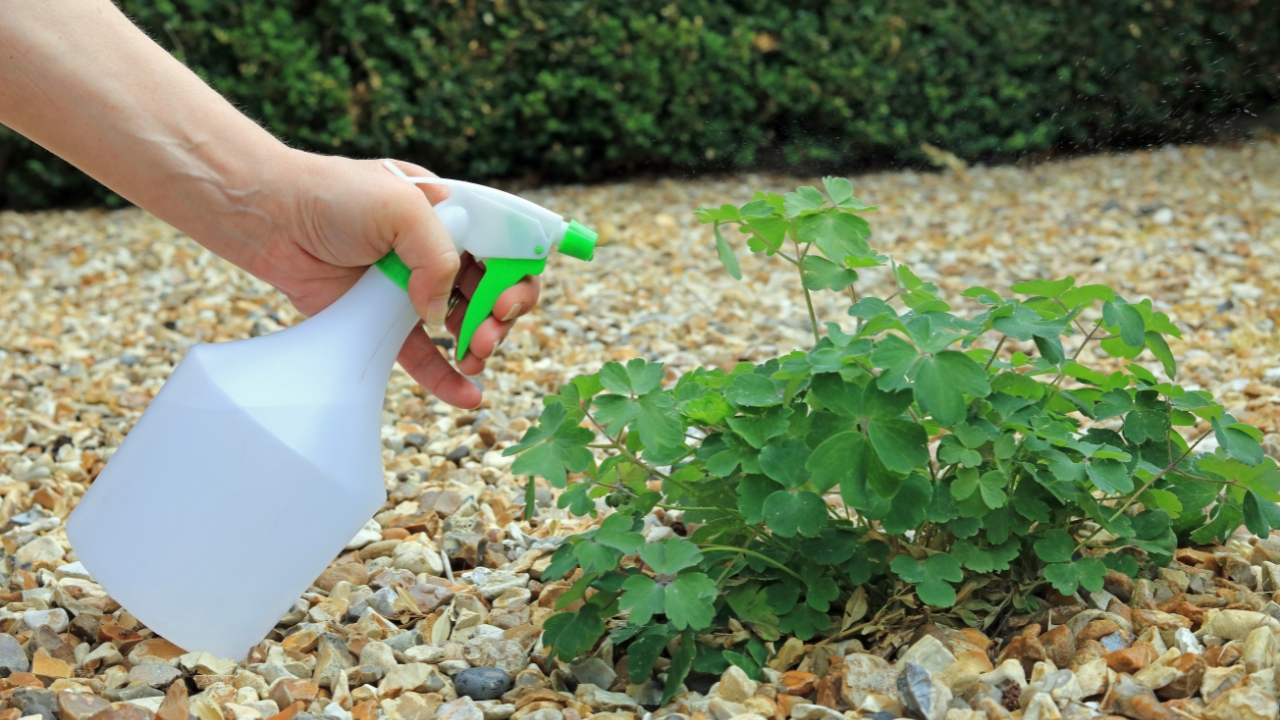
What worked when weeds kept coming through the gravel path
When a gravel path keeps erupting with green, the problem is rarely the stones on top. The failures usually lie underneath, in thin fabric, shallow aggregate and a seed bank that never really went away. Gardeners who finally get a clean, low-maintenance path tend to land on the same mix of fixes, and the most effective ones are surprisingly physical rather than chemical.
The strategies that work best combine a deeper base, smarter barriers, targeted heat or hand tools, and strict control of new seeds. Together they turn a constant chore into occasional upkeep instead of a weekly fight with regrowth.
Why gravel paths keep losing to weeds
Weeds in gravel arrive in two main ways. Some push up from below through thin fabric or compacted soil, while others germinate from seeds that blow in and lodge between stones, as detailed in several guides on gravel paths.
On compacted subsoil, even a few millimeters of dust and organic debris on top can act as potting mix. Sources that focus on rock beds in dry regions such as Colorado describe how woody and grassy invaders thrive once that debris layer builds up, which is why they stress regular cleaning in their rock bed weed.
Moisture is the other driver. Advice on gravel maintenance repeatedly circles back to drainage and watering patterns, with one technical discussion pointing out that plants need water and that stopping irrigation over gravel is part of long-term control, especially where the path sits near lawn sprinklers that overspray the stones in a predictable arc.
What finally worked: structure first, then surface tactics
The most durable fixes start below the gravel. A widely cited solution from experienced installers specifies roughly 4 inches of compacted crushed gravel, held in place by edging, over a firm base and a barrier layer, and warns that shortcuts in depth or compaction mean the owner will have to battle weeds forever, a point echoed in a detailed answer on elimination of weeds.
That structural approach aligns with how professional path builders describe their process. One practical how-to on gravel paths recommends excavating soil, installing a solid base and then focusing on preventing weeds with regular removal or weed killers, advice that appears in its preventing weeds section.
Under the stones, fabric choice makes a measurable difference. Heavy woven products marketed as premium weed barriers are designed to let water through while blocking light and root penetration, and one example is the 13 x 60 foot VEVOR 5 ounce high-density woven material that promises permeability and breathability in its product description for VEVOR landscape fabric.
Professional maintenance firms describe similar heavy-duty barriers as long-term solutions, explaining that a weed barrier made from strong fabric is installed under rock to block light and reduce germination, a method promoted in guidance on weed control for gravel areas.
At the same time, some rock suppliers caution that certain plastics can trap water and create new problems, noting that landscape plastic can cause pooling and root issues even as it blocks some weeds, a tradeoff they outline in their overview of how to keep of stone beds.
For homeowners, the practical compromise that has worked tends to be a dense, woven barrier rated for driveways or heavy use, overlapped generously at seams, covered by several inches of compacted gravel and protected at the edges with timber or metal to stop soil creeping in from the sides.
Once the structure is right, the question becomes how to clear and prevent the invaders that still appear from windblown seeds. Here, a mix of manual and thermal tactics has proven effective without heavy reliance on synthetic herbicides.
Hand pulling remains the first line for many gardeners, but experts warn that it is not always efficient and that tugging at roots can disturb soil and bring buried seeds to the surface, a dynamic described in guidance that notes how pulling by hand can expose more weed seeds lying dormant, as explained in advice on pulling weeds by.
Other lawn care specialists still recommend hand removal as a first measure when the spread is limited, with one turf science manager quoted as saying that generally, when looking to get rid of weeds, removing them by hand is the starting point provided the infestation is not too vast, a position repeated in consumer advice on getting rid of.
Heat-based tools have become a favored alternative where chemicals are unwelcome. Lawn care companies describe flame weeding as a method that uses high heat to kill weeds quickly, and they single out walkways and gravel paths as areas where it is particularly effective, a point made explicit in their explanation of flame weeding.
Specialist guides for driveways go further, recommending flame weeding with a propane torch as a way to eliminate plants in gravel, and describing how a propane torch delivers intense heat that ruptures plant cells, advice presented in a how-to on killing weeds in.
Homeowners who take this route often pair a torch with a stiff rake or hoe to remove the charred material, which reduces the organic layer that future seeds might use as a foothold.
Among DIY tactics, boiling water, salt and vinegar mixtures and non-selective organic sprays all appear in step-by-step lists. One practical guide to gravel maintenance outlines seven methods that include spreading table salt, pouring boiling water, pulling by hand and using a weed torch, and frames these as options for different scales of infestation in its breakdown of how to remove from stone areas.
Another cluster of advice focuses on keeping the surface clean. A short video tip that has circulated among homeowners shows a blower used regularly on gravel pads and pathways, with the presenter saying they do not use chemicals but instead blow off leaves and debris so seeds have less chance to settle, a routine shared in a clip published in April.
Seed management matters because seeds are one of the main mechanisms for weedy reproduction. One detailed guide on weeding gravel notes that if gardeners can prevent seeds from forming or remove flowers and seed heads from mature plants, they stop future seedlings from appearing, a principle spelled out in its section on seeds in gravel.
Online forums show how persistent the problem can feel. In one thread, a user titled mossbergcrabgrass vents that they are sick of weeding a gravel pathway all the time, and another commenter, Tom_Marvolo_Tomato, labeled as a Top 1 percent Commenter, replies that there are no long-term methods that keep weeds out forever, summarizing the hard truth that gravel is never fully maintenance free, a discussion captured in a landscaping thread.
Other contributors in similar discussions describe pulling up stones, laying new fabric and watching weeds return within a season, or argue that nothing under gravel will completely prevent growth, especially when surrounding soil is full of roots and rhizomes that creep in from the sides.
Against that backdrop, some gardeners have documented more successful overhauls. One detailed case study of a decorative gravel area describes how the owner removed an old rotted wood frame, dug out the bed, installed a new barrier and refilled with clean stone, then used simple tools and a non-synthetic spray to finish off survivors, a process illustrated in a step sequence on keeping decorative gravel.
That same project appears in a separate image link that shows how invisible the path step became under spring growth before the renovation, a reminder in the visual on decorative gravel that even attractive paths can vanish under unchecked weeds.
For those not ready to rebuild, targeted use of commercial barriers and tools can still help. Retail listings for heavy-duty weed control fabric emphasize high-density weaving and strong tensile strength, with some products marketed for driveways and paths where vehicles and foot traffic are constant, such as the premium heavy-duty weed barrier described in another landscape fabric listing.
Like Fix It Homestead’s content? Be sure to follow us.
Here’s more from us:
- I made Joanna Gaines’s Friendsgiving casserole and here is what I would keep
- Pump Shotguns That Jam the Moment You Actually Need Them
- The First 5 Things Guests Notice About Your Living Room at Christmas
- What Caliber Works Best for Groundhogs, Armadillos, and Other Digging Pests?
- Rifles worth keeping by the back door on any rural property
*This article was developed with AI-powered tools and has been carefully reviewed by our editors.