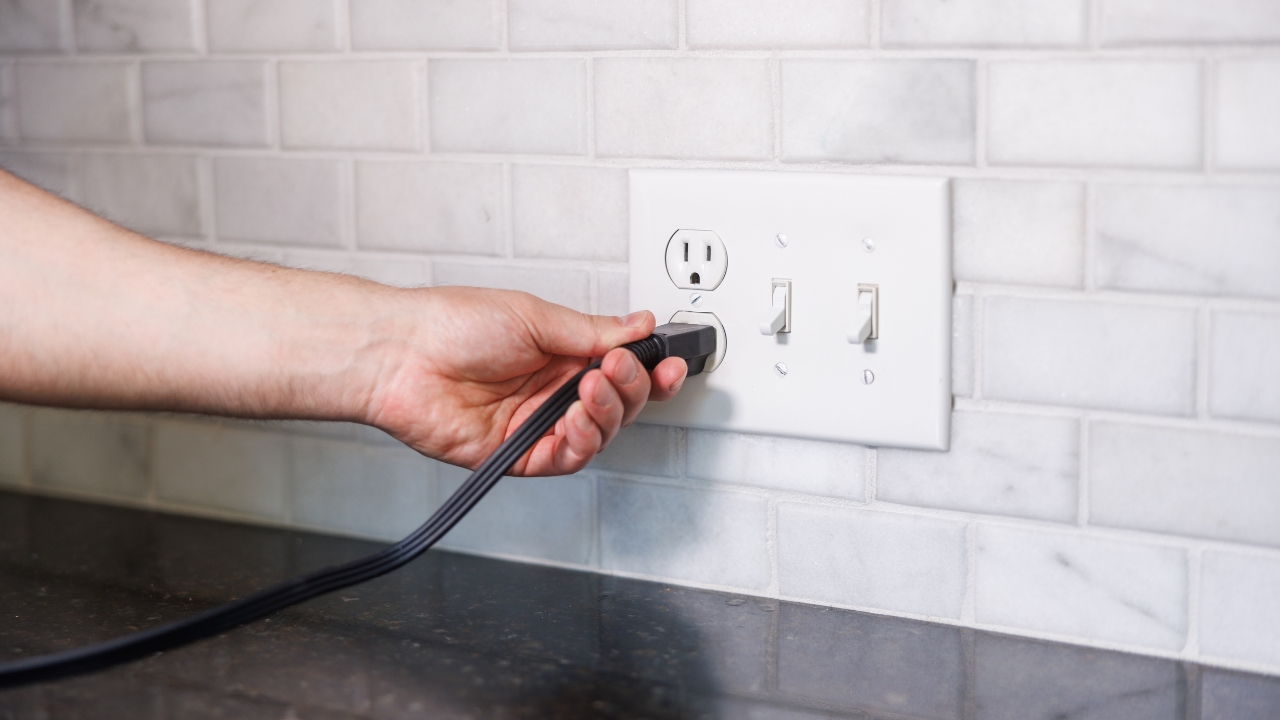
When power comes back after an outage, what to turn on in what order
When the lights flick back on after an outage, the real risk to your home often starts, not ends. The first few minutes of restored electricity are when surges, overloaded circuits, and stressed appliances can quietly shorten the life of your gear or knock it out entirely. A deliberate, step by step restart protects your electronics, keeps your food safe, and helps your home’s electrical system recover without drama.
Instead of rushing to flip everything on at once, you are better off treating power restoration like bringing a plane in for landing: controlled, sequenced, and calm. By turning devices back on in the right order, and using a few simple safeguards, you can ride out the return of electricity without sacrificing your refrigerator, your router, or your peace of mind.
Start with safety checks before you touch a switch
Your first move when power returns is not to sprint for the thermostat, it is to make sure your home is safe to energize. Walk through key rooms and look for obvious hazards such as frayed cords, standing water near outlets, or the smell of burning plastic. If the outage followed a storm, check that no branches or debris are pressing on service lines or pulling at the meter base, and stay clear of any downed wires until a utility crew confirms they are safe.
Once you are confident the structure itself is sound, verify that your main breaker is on and that no individual breakers have tripped. If you experienced a strong surge as power came back, you may need to Reset and repower circuits methodically, turning them off and back on one at a time instead of slamming the entire panel at once. This controlled reset helps you spot any problem circuit quickly and keeps a damaged device from repeatedly tripping the same breaker.
Protect sensitive electronics from the first surge
When electricity flows back into your neighborhood, the voltage is not always smooth. Utilities work to stabilize the grid, but the first wave of current can spike above normal levels, which is exactly when delicate devices like televisions, gaming consoles, and computers are most vulnerable. External surges are less common than internal ones, yet when the power supply to your home is suddenly flooded with more voltage than it is designed to handle, that single event can silently weaken or destroy expensive equipment.
To give yourself a buffer, keep high value electronics plugged into quality surge protectors or power strips with built in protection, and leave them switched off until the grid has been stable for several minutes. Guidance that urges you to Use power strips with surge protection is not just about preparation before an outage, it is about shielding your devices from the jolt when power gets restored. Some electric cooperatives also recommend unplugging sensitive gear entirely during an outage and only plugging your things back in after you are sure the lights are staying on, a simple habit that can save you from the worst effects of an External surge.
Bring back essentials first, then heavier loads
Once the system looks stable, your priority should be the basics that protect health and prevent loss. Refrigerators and freezers come first, since they need time to cool back down and preserve whatever food is still safe. You can then move to critical medical devices, your modem and router if you rely on internet based phone service, and a few key lights. Advice that tells you to Check your electronics and appliances as soon as electricity returns is really about confirming that these essentials power up normally and do not show signs of damage like flickering displays or unusual noises.
After the essentials are running, wait a few more minutes before you add heavier loads like electric ovens, clothes dryers, or central air conditioning. The moment power returns is often when most electrical damage occurs, so you want to avoid stacking big demands on the system all at once. One practical approach is to follow guidance that suggests you What Do When Power Returns is to turn on one major item at a time, pausing between each to listen for buzzing, watch for dimming lights, and feel for warm outlets that might signal an overloaded circuit.
If you used a generator, switch back with care
For homes that relied on a portable or standby generator, the transition back to utility power needs its own choreography. Before you touch any transfer switch, shut down and unplug the devices that were running on generator power so they are not hit with a double surge as the source changes. Once the generator is running smoothly, safety guidance stresses that you should add connected devices one by one, and then Shut them down again before you switch back to Georgia Power or another utility feed.
That same one by one mindset applies when you reintroduce utility power after using a generator. Turn the transfer switch back to line power, confirm that voltage is steady, and only then restart your refrigerator, furnace blower, and other key appliances in sequence. This staggered approach keeps you from overloading the generator as it winds down and prevents your home’s circuits from being slammed by a sudden jump from limited backup capacity to full grid strength. It also gives you a chance to notice if any device that ran on generator power behaves differently once it is back on the main supply, a subtle warning sign that it may have been stressed during the outage.
Reset, test, and then restore comfort devices last
After the essentials are humming and the grid has held steady, you can turn to the less urgent but still important step of resetting electronics and comfort systems. Many devices, from smart thermostats to Wi-Fi routers, need a clean reboot after a disruption. Guidance on what to do after a surge recommends that you Reset and repower electronic devices only after you have stabilized your breakers, following manufacturer instructions so you do not accidentally wipe settings or trigger lockout modes.
Once everything has been reset and tested, you can finally bring back the comfort gear that makes a house feel like home: televisions, gaming systems, extra lamps, and small kitchen appliances. Energy experts emphasize Protecting appliances and electronics not just during the outage but as power returns, which means plugging them into surge protected strips, avoiding daisy chained extension cords, and spacing out their restart so you do not create a sudden spike in demand. By leaving these nonessential loads for last, you give your home’s electrical system time to settle, and you give yourself a clear view of any problems before they are buried under the noise of everyday use.
Build habits now so the next outage is easier
The most effective way to manage the order of what you turn on is to decide that order before the next storm or grid failure hits. That can be as simple as labeling breakers for “kitchen,” “HVAC,” and “electronics,” and keeping a short written list near your panel that spells out which circuits and devices you will restore first, second, and last. Some electric cooperatives, such as Nov guidance on what you can do before plugging your things back in, stress that a little planning on a calm day pays off when you are standing in the dark trying to remember which outlet feeds the freezer.
You can also stage your home so that the safest choices are the easiest ones to make under stress. Keep surge protected strips on the outlets that serve your television, gaming console, and desktop computer, and plug your refrigerator and freezer directly into the wall so they are not sharing capacity with toasters or microwaves. If you live in an area with frequent storms, consider a whole home surge protector installed at the panel, which adds another layer of defense when power surges back in. With those habits in place, the next time the grid stumbles and then roars back to life, you will not be guessing about what to turn on in what order, you will be following a routine that keeps your home safe and your equipment intact.
Like Fix It Homestead’s content? Be sure to follow us.
- Man Says He Found Out the Fence He Paid For Wasn’t Actually on His Property
- Woman Says Her Neighbor Started Taking Mulch From Her Delivery Pile Before She Could Even Spread It
- I made Joanna Gaines’s Friendsgiving casserole and here is what I would keep
- What Caliber Works Best for Groundhogs, Armadillos, and Other Digging Pests?
*This article was developed with AI-powered tools and has been carefully reviewed by our editors.