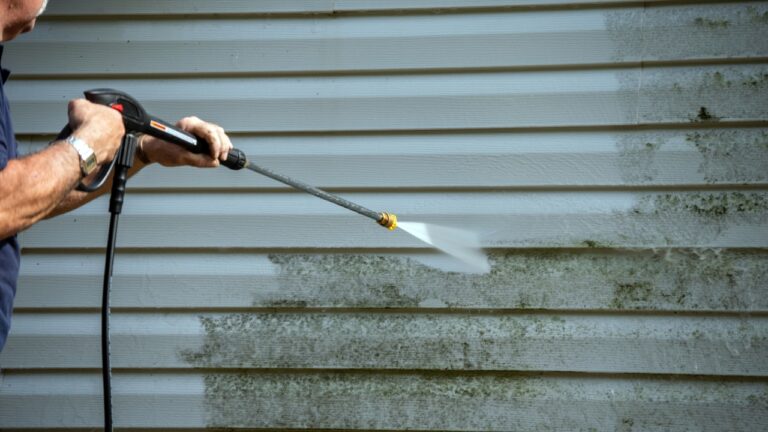
Where to look if you can feel a draft but can’t find the source
Nothing’s more frustrating than feeling a cold draft in your house but not being able to figure out where it’s coming from. You walk around, wave your hand near windows, and still can’t pin it down. Drafts don’t always show up where you expect them to.
They like to sneak in through small cracks, hidden gaps, or spots you’d never think to check. If your house feels colder than it should, here’s where to start looking.
Around electrical outlets and switch plates
If you have exterior walls with outlets or light switches, check them first. They’re one of the most common places cold air seeps in. Behind that plastic cover is usually a hollow electrical box set into the wall, and if the insulation around it isn’t sealed properly, air from outside can pass right through.
You can feel it more easily if you turn off nearby fans and light a stick of incense—the smoke will show even small air movements. Installing foam outlet gaskets behind the covers can block the airflow, and they cost less than a dollar each.
Along baseboards and trim

The edges where your baseboards meet the wall or floor can hide thin gaps that act like tiny vents. Over time, caulk or paint along those seams cracks, and when cold air hits the outer wall, it slips through into the room.
If you notice a chill near the floor, run your hand or a lit candle along the baseboards. When the flame flickers or your fingers feel a temperature drop, you’ve found the leak. A quick line of paintable caulk along the seam will seal it back up.
Behind curtains or blinds
Sometimes the window isn’t the issue—it’s what’s around it. Drafts can sneak in from the edges of window frames, the gap where the sill meets the wall, or even through old caulking that’s started to separate. Heavy curtains or blinds can trap that air, making it feel like it’s coming from the glass when it’s really from the frame.
Pull everything back and check the edges carefully. Look for old, cracked caulk or peeling weather stripping. Replacing those seals can instantly stop the leak and make a big difference in how warm the room feels.
Through attic hatches or pull-down stairs
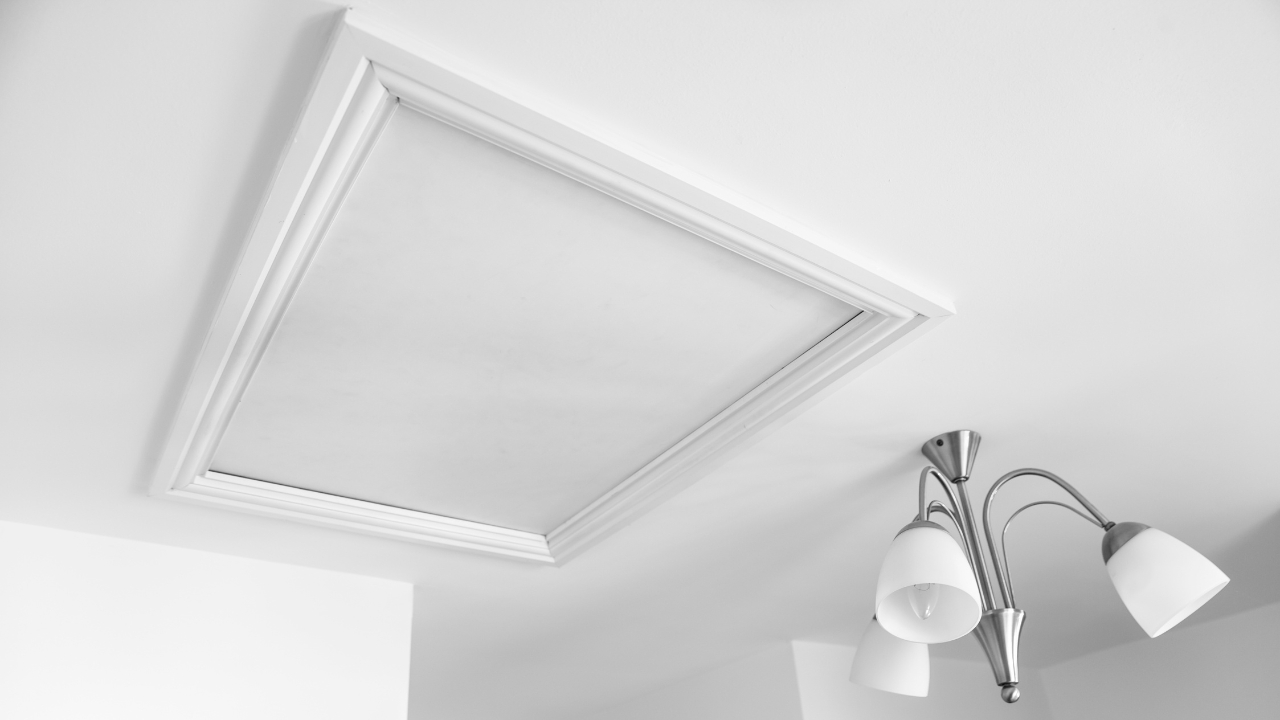
Warm air rises, and if your attic access isn’t sealed tight, it can escape through the ceiling while cold air slides down into your living space. Most attic doors aren’t insulated, and they often lack proper weather stripping.
You can add adhesive foam tape around the frame and attach a layer of rigid insulation to the back of the hatch. It’s a quick fix that stops a huge amount of air loss and can keep upstairs rooms noticeably warmer.
Around vents, fans, and recessed lights
Any time your ceiling or wall is cut for a fixture—like a vent, fan, or recessed light—it creates a weak spot in your home’s air barrier. If those openings weren’t sealed properly during installation, they let cold air flow freely.
In older houses especially, recessed lights can be major offenders. Air sneaks through gaps around the housing and travels through the ceiling cavity. You can seal these areas with fire-rated caulk or foam made for electrical fixtures.
Around plumbing and utility lines
Pipes, cables, and vents that pass through walls or floors often have small gaps around them where builders ran lines. Those holes lead straight outside or into uninsulated spaces like crawl areas and basements, which means cold air has a direct path in.
Check under sinks, behind toilets, or in the basement near utility connections. Use expanding spray foam or silicone caulk to fill any visible gaps. Not only does it stop drafts—it helps keep out bugs and moisture, too.
In the attic and basement corners
The biggest temperature leaks usually come from unsealed framing joints in basements or attics. Cold air seeps through rim joists, cracks where walls meet the foundation, and gaps where insulation doesn’t reach.
If your house feels drafty everywhere, spend an afternoon inspecting these spots. In the basement, shine a flashlight along the top edges of the foundation wall—you’ll often see daylight peeking through. A little foam insulation and weather sealant go a long way here.
Around the door frame instead of the door itself
Many people replace weather stripping and still feel a draft because the leak isn’t from the door—it’s from the frame. Over time, houses shift, and gaps form between the trim and the wall. You won’t always see them, but you’ll feel them when the wind blows.
Running a thin bead of caulk along the interior trim seals those gaps completely. If you can feel cold air around the doorknob or hinges, check for loose screws that might be preventing the door from closing tight.
Once you’ve sealed the obvious spots, your house should feel instantly warmer. Drafts are sneaky, but they’re rarely mysterious. They come from small, fixable gaps that most people overlook. Spend an hour tracking them down and sealing them up, and you’ll be amazed at how much more comfortable your home feels this winter.
Like Fix It Homestead’s content? Be sure to follow us.
- I made Joanna Gaines’s Friendsgiving casserole and here is what I would keep
- Pump Shotguns That Jam the Moment You Actually Need Them
- The First 5 Things Guests Notice About Your Living Room at Christmas
- What Caliber Works Best for Groundhogs, Armadillos, and Other Digging Pests?
- Rifles worth keeping by the back door on any rural property
*This article was developed with AI-powered tools and has been carefully reviewed by our editors.