Why beef inflation keeps sticking even when other groceries calm down
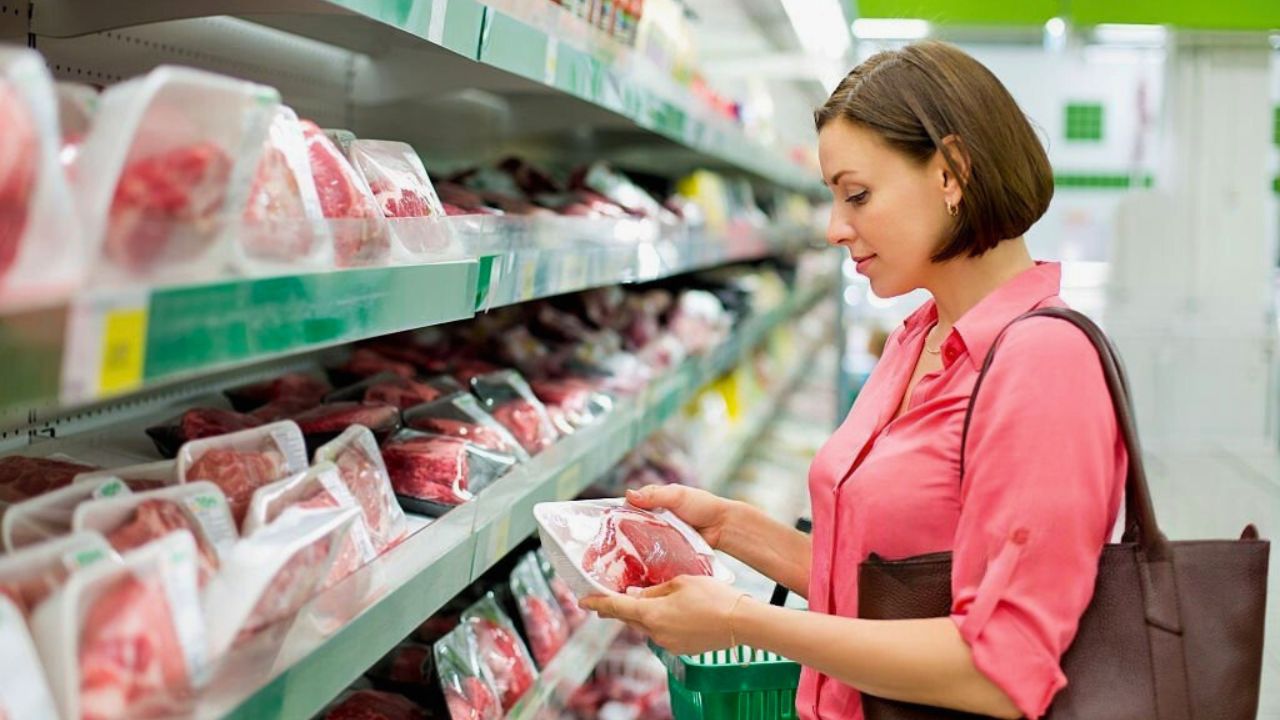
As you watch grocery inflation cool on paper, the sticker shock in the meat aisle tells a different story. Beef has become the stubborn outlier, with prices that keep climbing or plateauing at record levels even as other staples finally ease. To understand why your burger and steak habits are still straining your budget, you have to look past the weekly circular and into the long, uneven cycle that governs cattle, packing plants, and your appetite for protein.
Beef as the inflation outlier in your cart
When you compare your receipt from a couple of years ago to what you pay now, the pattern is clear: some items have stabilized, but beef keeps punching above its weight. You feel it most in everyday purchases like ground beef and stew meat, where even small per pound increases add up over a month of family meals. That disconnect between broader easing inflation and persistently high beef prices is not a fluke, it reflects how slowly cattle supply can respond when costs spike and how quickly your demand returns once the economy steadies.
Even as the latest available CPI data shows overall food inflation moderating, the category that includes beef is still being pulled higher by a record low cattle supply and tight processing capacity, a dynamic that one detailed analysis ties directly to the way Dec beef markets react to shocks. You see the result every time you choose between a smaller pack of steaks or a cheaper protein, because the law of supply and demand is still working against you even as other aisles finally catch a break.
The cattle cycle that keeps prices elevated
Unlike shelf stable goods that manufacturers can ramp up in a few weeks, cattle move on a biological clock that you cannot speed up with overtime shifts. When ranchers cut back their herds in response to drought or high feed costs, the impact on beef supply shows up years later, and the recovery takes just as long. That lag is why you are still paying for decisions made when inflation and input costs were peaking, even though some of those pressures have since eased.
Analysts describe a classic cattle cycle in which herds expand when prices are strong and contract when costs overwhelm margins, but the current pattern is not behaving like a normal decade long loop, with one report noting that Not a normal cycle has emerged as Supply has contracted for years without the usual rebound. That structural delay means even if ranchers decide today to rebuild, you will not see meaningful relief in the meat case until calves born now are finished and processed, which keeps beef inflation sticky long after other categories normalize.
Drought, pasture stress, and the shrinking herd
Weather has quietly done as much to shape your grocery bill as any policy debate in Washington. Prolonged drought in key cattle states has scorched pastures, driven up hay prices, and forced ranchers to sell animals earlier than planned simply because they could not afford to feed them. When enough producers make that painful choice, the national herd shrinks, and the pipeline of animals available for slaughter tightens for years.
Market specialists like Bernt Nelson have traced how drought and pasture conditions pushed U.S. cattle farmers to reduce the number of animals they could sustain, which in turn cut the volume of cattle available for beef production and helped drive the herd to its lowest level since 1951, a shift detailed in an economics of U.S. beef review. Other researchers have pointed out that a smaller herd can lower emissions, but they also acknowledge that a shrinking cattle population means better prices for ranchers and higher prices for you, a trade off that a separate analysis of a shrinking cattle herd links directly to the elevated costs you now see at the meat counter.
Packers, concentration, and who captures the margin
Even if you sympathize with ranchers battling drought and high feed bills, you might still wonder why the price gap between what you pay and what producers receive feels so wide. The answer lies in the middle of the supply chain, where a handful of large packers control most of the slaughter and processing capacity. When that segment is highly concentrated, it can capture a disproportionate share of the value created by high retail prices, while cattle producers and consumers both feel squeezed.
Critics argue that Beef packers have used their market power to keep margins fat even as ranchers struggle, pointing to evidence that Beef prices are at record highs not because of tariffs or producer greed but because dependence on foreign owned packers and a national herd at its lowest level since 1951 have distorted the market, a case laid out in a detailed Beef prices critique. When you see expensive steaks in the case while hearing that ranchers are culling cows to stay afloat, you are looking at the same imbalance, one that keeps retail beef inflation sticky even when live cattle prices soften.
Operating costs that do not reset overnight
Behind every pound of beef you buy is a long list of costs that have climbed and refused to fall back in line. Feed, fuel, labor, land, and financing all became more expensive in the last few years, and ranchers had to decide whether to absorb those increases, pass them on, or exit the business. Many chose to cut herd size or leave cattle entirely, locking in a smaller supply base that will not expand quickly even if some input prices ease.
One consumer finance analysis notes that to deal with rising operating costs, many U.S. cattle farmers reduced the size of their herds and some got out of the business altogether, a shift that will influence whether beef prices go down in the near term. Industry specialists add that although there was a reduction in inflation towards the end of 2024, the CPI for beef and veal remained elevated because producers were still wrestling with higher feed, transportation, and processing expenses, a pattern summarized in a review of What is Causing the Increase in Beef Prices that underscores how sticky those structural costs have become.
Why demand refuses to cool even at record prices
On the demand side of the ledger, you and other shoppers have been surprisingly reluctant to walk away from beef, even as prices test new highs. Taste, habit, and the central role of beef in American food culture all help explain why you still reach for burgers and steaks when you plan a cookout or a weeknight dinner. That loyalty gives retailers and packers confidence that you will tolerate higher prices longer than you might for other items, which blunts the usual consumer pushback that forces inflation to unwind.
Researchers who track consumption patterns report that in 2024 Americans consumed more beef than in any year since 2010, and that Taste is the most important factor in deciding whether someone buys beef, with agricultural economist Glynn Tonsor noting that More cattle are grading prime and choice, which encourages a willingness among consumers to pay more, findings detailed in a report on how despite historic demand beef supply remains low. Another national snapshot found that in 2024 shoppers spent over $40 billion on fresh beef, which made up more than half of all fresh meat sales, and that while strong demand is one factor keeping prices close to record highs, the national cattle herd is at its smallest in more than 70 years, a combination that explains why $40 billion in spending has not translated into lower prices for you.
How COVID era shocks still echo in the meat case
Even though the acute phase of COVID has faded, the disruptions it unleashed on the beef supply chain are still working their way through the system. Plant shutdowns, worker illnesses, and transportation bottlenecks created backlogs of animals on feed and forced ranchers to adjust breeding and marketing plans on the fly. Those emergency decisions, layered on top of drought and high feed costs, set the stage for the tight supplies and elevated prices you are now living with.
Market analysts like Bernt Nelson have documented how COVID related supply chain shocks collided with already challenging drought and pasture conditions, leaving fewer cattle available for beef production and amplifying the impact of every subsequent weather or cost hit, a sequence traced in the Bernt Nelson assessment of the cattle market. Consumer side reporting adds that shoppers who told surveyors about Ground beef price jumps since before the pandemic are now facing record high costs that one national outlet attributes to the basic law of supply and demand, with drought, high feed costs, and processing bottlenecks all having driven prices to historic highs, a pattern described in a feature on How the price changed for What Ground beef costs you now.
Analysts’ outlook: elevated for the foreseeable future
If you are waiting for a quick reset to pre inflation beef prices, the experts do not have encouraging news. The same slow moving cattle cycle that delayed the pain on the way up will delay the relief on the way down, and there is still debate about whether the national herd has even stopped shrinking. Until that question is settled, you should expect beef to remain a premium item in your cart, not a bargain.
Industry research notes that Analysts are mixed on whether the beef herd is still in contraction or beginning to rebuild, but most observers suggest that tight supplies and strong consumer preference for high quality protein mean retail prices will remain elevated for the foreseeable future, a conclusion summarized in a report on how Analysts are mixedCPI focused
How you can adapt while the market resets
Knowing that beef inflation will not vanish overnight, you have a few levers to pull while the supply chain slowly recalibrates. One is to treat beef as a strategic purchase rather than a default, planning meals around cheaper cuts, smaller portions, or occasional swaps to pork, chicken, or plant based proteins. Another is to time your buying to promotions, stocking up on ground beef or roasts when your local store runs genuine discounts and freezing portions for later.
At the same time, you can recognize that your choices feed back into the system, because strong demand even at high prices signals to packers and retailers that you are willing to absorb more inflation than you might for other foods. Some consumers are already responding by shifting toward value packs, buying directly from local ranchers, or experimenting with less familiar cuts that deliver flavor without the premium price tag, small adjustments that collectively can nudge the market while you wait for the longer term forces described in Jul herd analyses and Supply focused reports to finally work in your favor.
Like Fix It Homestead’s content? Be sure to follow us.
Here’s more from us:
- I made Joanna Gaines’s Friendsgiving casserole and here is what I would keep
- Pump Shotguns That Jam the Moment You Actually Need Them
- The First 5 Things Guests Notice About Your Living Room at Christmas
- What Caliber Works Best for Groundhogs, Armadillos, and Other Digging Pests?
- Rifles worth keeping by the back door on any rural property
*This article was developed with AI-powered tools and has been carefully reviewed by our editors.