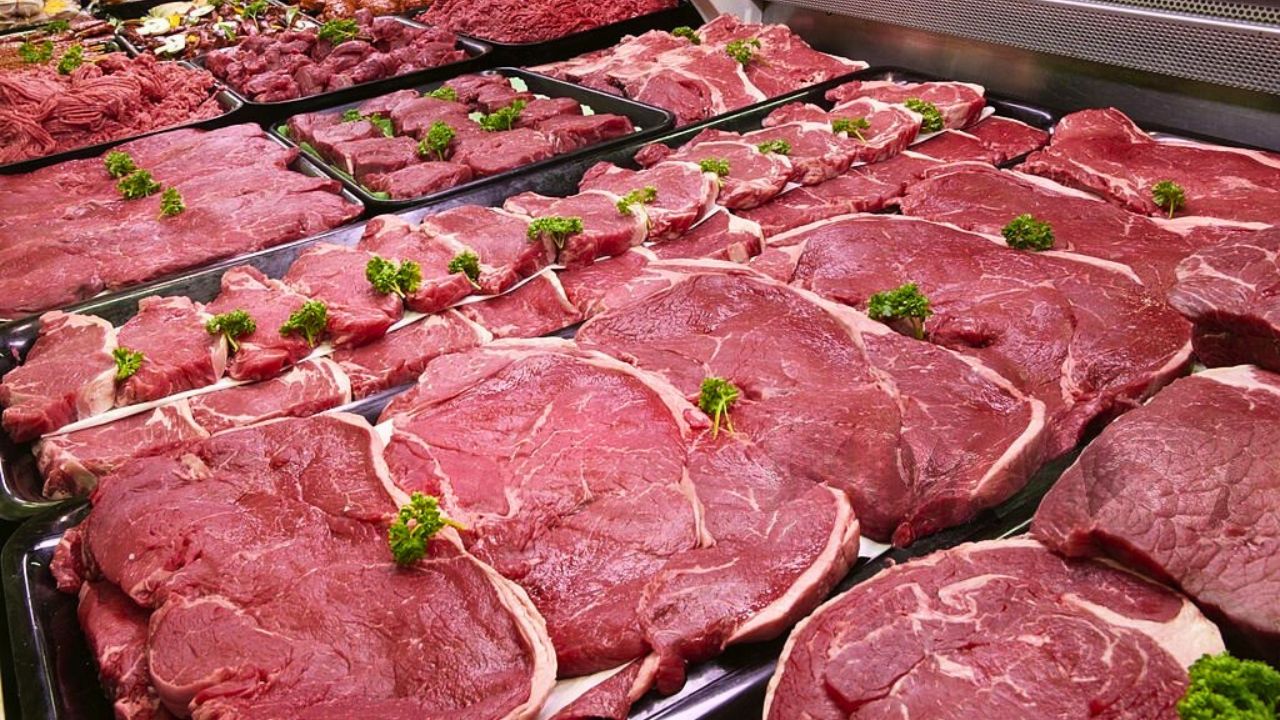
Why beef stays expensive even when cattle prices swing in the opposite direction
When you watch cattle prices fall on the farm report but see no relief in the meat case, it can feel like someone is pocketing the difference. Beef behaves differently from most items in your cart, with retail prices that tend to ratchet up quickly and drift down slowly, even when the animals themselves get cheaper. To understand why, you have to follow the money from pasture to packing plant to supermarket shelf and look at who has the power to set terms at each step.
What you find is a supply chain where a handful of companies dominate processing, where structural costs and contracts blunt short term swings, and where consumer habits give retailers room to hold the line. You are not imagining the disconnect between cattle markets and the price of a ribeye, but the explanation lies less in a single villain and more in a system that cushions you from volatility while quietly locking in higher margins.
The basic disconnect between cattle and beef prices
At the most basic level, you are dealing with two different markets that move on different clocks. Live cattle are traded like any other commodity, with prices that can jump or drop in a week as feed costs, weather, or export demand shift. Beef at the grocery store, by contrast, is priced for shoppers who expect stability, so retailers adjust more cautiously and often wait to see whether a cattle price move will stick before changing shelf tags.
That lag means you can see periods when ranchers are getting squeezed by lower cattle checks while you are still paying near record prices for steaks and ground beef. Analysts who track the spread between what packers pay for fed cattle and what they receive for boxed beef have documented how that margin can widen sharply during disruptions, then stay elevated even after cattle markets cool, a pattern that was detailed in a Jul AMS USDA Office of the Chief Economist investigation into boxed beef and fed cattle price spreads.
How meatpacking consolidation shapes what you pay
Once cattle leave the ranch, they enter a processing sector that is far more concentrated than most consumers realize, and that concentration shapes how much of any cost change ever reaches you. The four largest packers handle about 85 percent of all steer and heifer slaughter, giving a small group of firms enormous leverage over both the prices they pay ranchers and the prices they quote to retailers.
When a sector is this consolidated, you are not looking at a textbook competitive market where dozens of processors bid aggressively for cattle and undercut one another on wholesale beef. Instead, a few dominant players can resist passing lower cattle costs through as quickly, especially if demand is strong and capacity is tight. Critics of this structure argue that it lets packers capture a larger share of the consumer dollar, and the Jan Highlights on Meatpacking note that consolidation has raised persistent questions about how competition affects prices to farmers and ranchers.
Corporate power and the squeeze on ranchers
For you as a shopper, the most visible part of this story is the price on the package, but for ranchers the pressure comes from the other side of the chain. As packers have grown, ranchers have lost bargaining power, and many now sell into markets where a handful of buyers effectively set the going rate. That imbalance can push cattle prices down even when beef demand is robust, widening the gap between what you pay and what producers receive.
Advocates who work with family farmers argue that this is not an accident but the result of a food system that, in their words, has become more concentrated in the hands of a few large corporations, with Corporate consolidation in meatpacking exerting outsized influence on agricultural markets in particular. When Our food system is structured this way, you can end up in the odd position of paying more for beef even as the people raising the animals struggle to cover their costs.
Why retail beef prices move slowly, even in a downturn
Even when cattle and wholesale beef get cheaper, supermarkets have strong reasons not to slash prices overnight. You expect your weekly shop to feel predictable, and retailers design pricing strategies around that expectation, using contracts, promotions, and category plans that run for weeks or months. That planning horizon makes them reluctant to chase every blip in the cattle market, especially if they worry that a short term drop could reverse before the next circular goes to print.
Industry reporting underscores that Retail prices change over time but are never as volatile as cattle prices, which can shift on a week to week basis. There is also a structural cushion between farm and shelf: analysts have documented that However price changes at the farm level do not always show up on grocery shelves or restaurant menus, and that Price swings at the farm and wholesale levels are typically larger than those at retail.
Supply shocks, herd cycles, and why “cheap cattle” can be temporary
Another reason you do not see instant relief is that cattle prices themselves are often in the middle of long, painful cycles. When drought, high feed costs, or poor margins force ranchers to cull herds, the immediate effect can be a wave of animals heading to slaughter, which briefly pushes cattle prices down. But that liquidation sets up a future shortage, and by the time you are looking for lower prices at the meat counter, packers and retailers may already be bracing for tighter supplies and higher replacement costs.
Researchers who track these cycles point out that you are living through a period of historic demand colliding with a smaller national herd, a combination that keeps beef expensive even when short term cattle prices wobble. One analysis notes that Despite historic demand, beef supply remains low and prices stay high, in part because of the decline in herd size, and that Here the long biological timeline of cattle means it takes years, not months, to rebuild numbers. Through tools like the K Through State Mea data, you can see how those herd decisions ripple forward into the prices you face.
Record beef prices and the role of packer margins
When you hear that beef prices are at record highs, it is natural to assume ranchers are cashing in, but a closer look suggests that much of the gain has accrued elsewhere. As cattle supplies tightened and demand stayed strong, packers were able to widen the spread between what they paid for animals and what they charged for boxed beef, especially during periods when processing capacity was constrained. Those wider margins can keep retail prices elevated even if cattle prices ease off their peaks.
Critics of the current system argue bluntly that you should Beef Prices Blame the Packers, Not America, Ranchers, contending that Beef prices are at record highs not because of U.S. ranchers or cattle shortages alone but because packers have used their market power to capture more of the value. Their proposed fixes, from adding regional processing capacity to tightening antitrust enforcement, are all aimed at restoring fair competition so that when cattle get cheaper, you see more of that benefit at the checkout.
Retail strategy, consumer demand, and “sticky” high prices
Even if wholesale costs fall, retailers still have to decide how much of that savings to pass on, and their answer depends heavily on what you are willing to pay. Beef holds a special place in many households, from weeknight tacos to holiday roasts, and that loyalty gives supermarkets room to keep prices higher for longer, especially on premium cuts. When shoppers keep buying despite higher prices, retailers read that as permission to protect margins rather than rush to discount.
Consumer price data show how persistent that pattern can be. Analysts tracking inflation have noted that They rose 1.2% from August to September in one recent stretch, even though cattle markets were already showing signs of softening, and that Oct Beef prices have been elevated for years but have soared in 2025, thanks to a mix of supply constraints and the higher operating costs that grocers pass on to run their businesses. When Beef demand holds up at those levels, there is little competitive pressure to cut prices quickly.
Global sourcing and why imports do not always mean cheaper steaks
You might assume that if domestic cattle prices are high or volatile, retailers can simply turn to imports and bring in cheaper beef, forcing prices down. In practice, global sourcing is more of a pressure valve than a silver bullet. Supermarkets that experiment with foreign suppliers still have to manage consumer expectations about quality and origin, and they often treat imported beef as a way to protect their own margins rather than as an automatic discount for you.
One recent example involved a major U.K. retailer testing South American beef as an alternative to domestic supply, with analysts noting that There was concern over whether cost rises were being passed on to consumers even as imported product entered the mix. That case underlines a broader point: global trade can help retailers smooth out supply shocks, but it does not guarantee that you will see lower prices, especially if the goal is to stabilize profits rather than undercut competitors.
What it would take for you to actually see lower beef prices
If you are waiting for a day when cheaper cattle automatically translate into cheaper beef, the structural forces in this market suggest you will be waiting a long time. For prices to fall meaningfully at the checkout, you would likely need a combination of larger cattle herds, more competition in meatpacking, and retailers who feel real pressure from shoppers trading down to other proteins. Without those shifts, the system is set up to absorb lower input costs as higher margins rather than pass them through.
Policy debates are starting to grapple with that reality. Analysts warn that Dec a major driver of the rising price of beef stems from a record low cattle supply, and that rebuilding herds will take years while ranchers are still needing that feed, which means tight supplies and firm prices for the foreseeable future. At the same time, watchdogs argue that Nov reforms to curb consolidation and strengthen fair competition rules could help ensure that when the cattle cycle finally turns, you see more of the benefit in the meat case instead of watching it disappear into the spread between farm and fork.
Like Fix It Homestead’s content? Be sure to follow us.
Here’s more from us:
- I made Joanna Gaines’s Friendsgiving casserole and here is what I would keep
- Pump Shotguns That Jam the Moment You Actually Need Them
- The First 5 Things Guests Notice About Your Living Room at Christmas
- What Caliber Works Best for Groundhogs, Armadillos, and Other Digging Pests?
- Rifles worth keeping by the back door on any rural property
*This article was developed with AI-powered tools and has been carefully reviewed by our editors.