Why certain home upgrades trigger follow-up inspections
Once you start opening walls, moving plumbing, or adding square footage, you are not just changing how your home looks, you are changing how it performs. Those changes are exactly what can trigger follow-up inspections from building officials, lenders, insurers, or future buyers. Understanding why certain upgrades draw that extra scrutiny helps you plan projects that are safer, more compliant, and less likely to derail a sale or spike your carrying costs later.
Instead of treating inspections as a nuisance, you can use them as a quality check on the work you are paying for. The same upgrades that invite a second look are often the ones that most affect safety, structure, and value, which means they are also where you have the most to lose if something is missed.
1. Why big upgrades attract extra scrutiny
Follow-up inspections tend to cluster around projects that change how your home handles weight, water, electricity, or gas. When you add a room, relocate a kitchen, or finish a basement, you are altering structural loads, fire separation, and life-safety systems, so officials and inspectors want to verify that the work meets current standards. Professional groups such as CREIA emphasize that inspections are meant to give you an independent assessment of a home’s condition, which becomes even more important once major systems have been disturbed.
That extra attention is not just about code compliance, it is about liability. If a deck collapses, a new electrical panel overheats, or a relocated bathroom leaks into a neighbor’s unit, the question will be whether the work was done to accepted practice and properly inspected. When you renovate, you can unintentionally create hazards that cost far more to fix later than they would have during construction, which is why cities, lenders, and insurers often insist on a second look before they sign off.
2. Safety upgrades that can create new risks
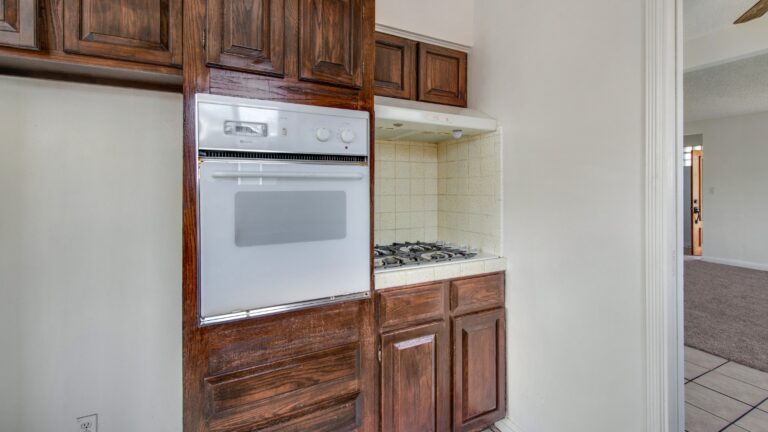
Ironically, some of the projects you take on to make your home safer or more comfortable can introduce fresh dangers if they are not executed correctly. Adding a high-efficiency furnace, a tankless water heater, or a new gas range changes combustion air needs and venting paths, so inspectors will want to confirm that flues are sized correctly and that carbon monoxide cannot build up. Post-renovation specialists point out that Safety Concerns after upgrades often center on ventilation, wiring, and how new materials interact with existing systems.
Even seemingly simple improvements, such as adding more outlets, installing recessed lighting, or upgrading insulation, can overload circuits or trap heat if they are not planned with the original design in mind. Inspectors who focus on Safety after renovations look for overloaded breakers, improper wire splices, and fixtures that are too close to insulation or combustible framing. Those are the kinds of details that rarely show up in glossy after photos but can determine whether your upgrade quietly works for decades or fails a follow-up inspection within months.
3. Structural changes that demand a second look
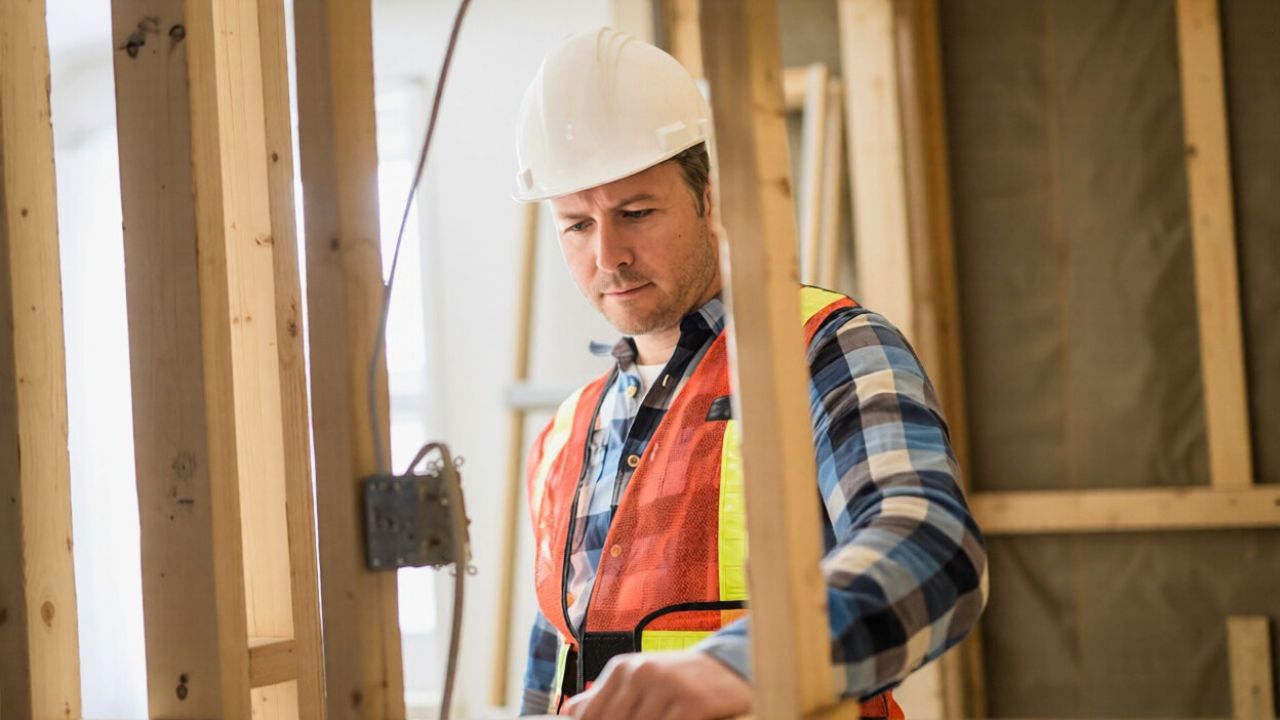
Any time you cut, move, or add structural elements, you should expect more than one inspection. Removing a wall to open a kitchen, adding a second-story addition, or carving out a larger window all affect how loads travel through the building. Pre-renovation assessments that Identifies Structural Issues can flag undersized beams, foundation settlement, or framing defects before you start, but once the work is underway, inspectors will want to see that new beams, posts, and connections actually match the plans.
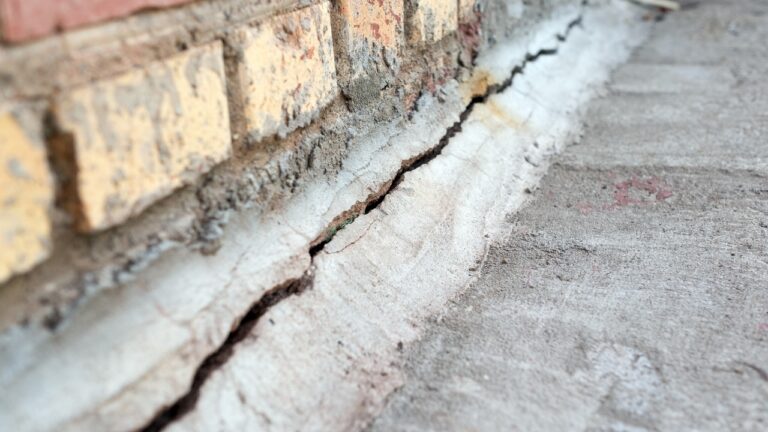
Foundation and framing problems are also among the most common reasons homes fail general inspections. Lists of Foundation related defects often start with cracks, poor drainage, and structural shifts, all of which can be aggravated by heavy additions or poorly planned grading changes. When you add a large deck, a hot tub, or a stone patio, you are increasing loads and changing how water moves around the house, so follow-up inspections focus on whether footings, slopes, and connections can handle those new demands over time.
4. Why inspectors care so much about water and wiring
Water and electricity are two of the fastest ways a home upgrade can go from cosmetic to catastrophic. New bathrooms, kitchens, and laundry rooms introduce more supply lines, drains, and appliances, which means more potential leak points hidden behind finished surfaces. Inspectors who specialize in post-renovation work stress that Post renovation checks are meant to catch small plumbing issues before they turn into emergencies, especially in areas where moisture can quietly damage framing and finishes.
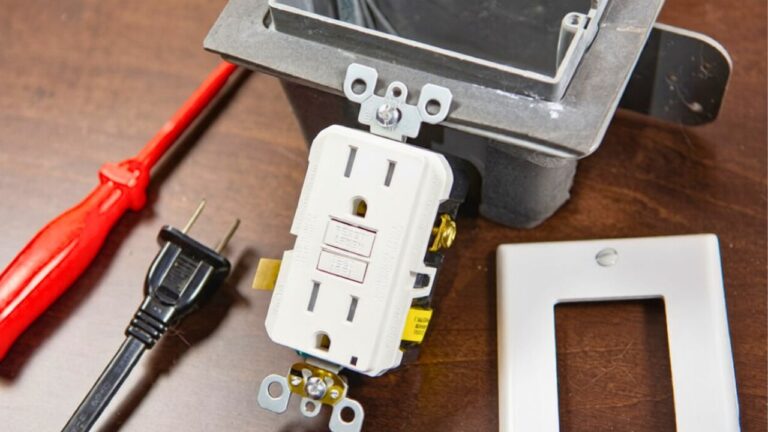
On the electrical side, modern lifestyles demand more power than many older homes were designed to deliver. When you add a home office, electric vehicle charger, or high-end kitchen, you may be pushing circuits and panels close to their limits. Guidance on Active electrical hazards highlights plumbing leaks, exposed wires, outdated components, and overloaded breakers as issues that often must be corrected for financing or insurance. When your upgrade touches any of those elements, you should anticipate a follow-up inspection to verify that the new work reduces risk instead of compounding it.
5. How renovations collide with selling timelines
Major upgrades can be a smart way to position your home for sale, but they also introduce timing risks that often lead to extra inspections. If you start a full kitchen overhaul or a primary suite addition just as you are preparing to list, you may find that the project is still in progress when buyers start touring. Reporting on how Renovation Timelines Rarely notes that Time is often the breaking point, with sellers stuck carrying insurance, utilities, and maintenance while they wait for contractors and inspectors to sign off.
Buyers and their agents are also more likely to order additional inspections when they see fresh work that is not fully documented. If a new roof, deck, or finished basement was completed without clear permits or final approvals, a buyer’s inspector may recommend a more detailed structural or moisture assessment. That can trigger a round of Mandatory repairs focused on safety risks, structural weaknesses, or code breaches that affect livability, which you may have to address quickly to keep the deal alive.
6. When “Remodeling” raises your tax bill
Beyond safety and structure, some upgrades trigger follow-up inspections because they change your property’s taxable value. Local assessors pay close attention to projects that add square footage, convert unfinished space, or significantly upgrade kitchens and baths. Guidance on how Remodeling affects property taxes notes that finishing a basement, adding a garage, or building a new deck can all prompt a reassessment, because they change how your home compares to others in the tax roll.
Permits are often the trigger that alerts assessors to look more closely. Homeowners in places like Portland have debated whether filing for permits automatically leads to higher taxes, with some pointing out that But those assessors are the only way they can raise the tax rates without raising the tax rates. While the specifics vary by jurisdiction, the pattern is consistent: once you document a major improvement, you should be prepared for an inspection that focuses less on safety and more on how much value you have added.
7. New builds and the myth of the “perfect” house
It is easy to assume that a brand-new home is automatically free of defects, but inspectors who specialize in new construction see a different reality. Even in houses that have passed municipal checks, they routinely find plumbing leaks, poor electrical work, and insulation gaps that only become obvious after months of real-world use. That is why many professionals recommend a separate Home Inspection on New Construction, even when local rules do not require it.
Some inspectors also encourage owners of new builds to schedule an additional check around the end of the builder’s warranty period. Firms that perform 11 month assessments report that Here are some of the most common things they find: leaks, settlement cracks, and systems that were never properly adjusted after move in. Those follow-up inspections give you leverage to have the builder correct issues while they are still responsible, instead of discovering them years later when repairs are entirely on your dime.
8. What typically must be fixed after an inspection
Not every item on an inspection report will trigger mandatory work, but certain categories almost always do. Safety issues, active leaks, and clear code violations are at the top of that list. Detailed breakdowns of what needs attention after an inspection highlight Plumbing leaks, Exposed wires, Outdated electrical components, and Overloaded circuits as examples of problems that lenders and insurers may insist you correct before they will proceed.
Roofing is another frequent flashpoint. When inspectors document Roof leaks or major damage, with Active leaks or sagging sections, buyers often push for repairs or replacements, especially when financing guidelines demand it. Videos aimed at helping buyers understand reports emphasize that Apr is not the only time water shows up, because water will find a way through drainage flaws or settled concrete in any season. When your upgrades touch roofing, drainage, or exterior grading, you should expect inspectors to look closely at how those changes affect water management.
9. How to choose the right inspector and plan your next move
If you know your project is likely to trigger follow-up inspections, you can reduce surprises by bringing in qualified help early. Starting with a pre-renovation assessment that Why Are Home gives you a baseline on structure, moisture, and mechanical systems, so you can design upgrades that solve existing problems instead of covering them up. Professional organizations encourage you to Click to find a CREIA Inspector in your area, or to work with a member of the California Real Estate, so you are relying on someone who follows established standards rather than a contractor’s quick walk through.
Once the work is complete, a targeted post-renovation inspection can confirm that the upgrades perform as intended and that you are ready for any official follow-up. Guides that walk you through what to expect often start with a simple directive to Get a professional inspector, then explain how they will test systems, document defects, and prioritize repairs. By treating inspections as part of your project plan instead of an afterthought, you can navigate permits, taxes, and buyer demands with fewer surprises and a clearer sense of which upgrades are most likely to invite that next knock on the door.
Like Fix It Homestead’s content? Be sure to follow us.
Here’s more from us:
- I made Joanna Gaines’s Friendsgiving casserole and here is what I would keep
- Pump Shotguns That Jam the Moment You Actually Need Them
- The First 5 Things Guests Notice About Your Living Room at Christmas
- What Caliber Works Best for Groundhogs, Armadillos, and Other Digging Pests?
- Rifles worth keeping by the back door on any rural property
*This article was developed with AI-powered tools and has been carefully reviewed by our editors.