Why cosmetic renovations raise inspection concerns
Fresh paint, new flooring and trendy fixtures can make a property feel move‑in ready, but cosmetic renovations often tell inspectors to look harder, not relax. When finishes look rushed or oddly placed, they can signal shortcuts, hidden damage or even deliberate attempts to distract you from serious defects behind the walls and under the floors.
Understanding why surface upgrades raise inspection concerns helps you separate harmless touch‑ups from red flags that could cost you later. If you know how professionals read these visual cues, you can walk into a newly “updated” home with a sharper eye and a better sense of what to question before you sign.
When “like new” finishes hint at deeper construction flaws
Cosmetic work is often the last step on a project, so when it looks sloppy, inspectors treat it as a clue that what you cannot see may be even worse. Reports on new construction note that Incomplete and Substandard Finishes, such as uneven paint or poorly installed flooring, are rarely isolated mistakes. They often reflect rushed schedules, unskilled labor or inadequate supervision, all of which can carry through to framing, insulation and mechanical systems that are hidden from view.
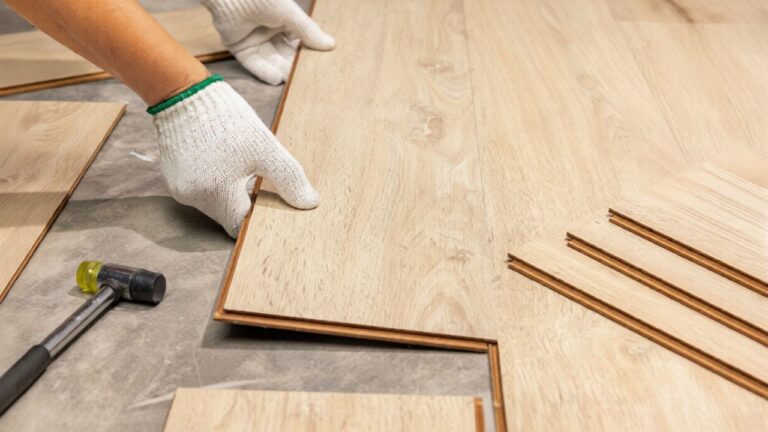
Flooring is a common example. Inspectors flag Flooring Flaws like lippage between tiles or soft spots in new laminate because these issues can indicate Poor subfloor preparation or moisture problems. A brand‑new floor that already creaks or feels uneven may be hiding structural movement, improper joist spacing or water damage that was never fully remediated.
Cosmetic cover‑ups that try to hide real damage
Inspectors are especially wary when cosmetic work appears targeted, for example a single freshly painted ceiling in an otherwise dated room. Guidance for sellers warns that Cosmetic cover‑ups, such as Trying to paint over water stains without fixing a leak, can backfire once an inspector starts probing. Fresh drywall in a basement, for instance, may conceal cracks or efflorescence that point to foundation movement or chronic moisture intrusion.
Basements and lower levels are particularly vulnerable. Reporting on buyer red flags notes that a recently finished basement can hide mold, moisture and cracks where water seeps in behind new drywall and flooring, even as the space looks clean and updated. Inspectors who see brand‑new trim and paint in a below‑grade room will look closely for musty odors, warped baseboards and subtle discoloration that suggest the cosmetic work was used to mask, not solve, a water problem tied to the Foundation or drainage.
Why inspectors look past pretty upgrades to structural risk
Most buyers instinctively gravitate to what they can see, and Most focus on fresh paint, modern kitchens and attractive landscaping. Meanwhile, inspectors are trained to prioritize what affects safety and longevity, such as roof condition, electrical capacity, plumbing, drainage and structural movement. Lists of common post‑inspection repairs for sellers highlight Major electrical hazards and Plumbing or sewer issues, not cabinet colors or countertop materials.
Consumer guidance on why homes fail inspection underscores that Top problems include Foundation cracks, damaged siding and unsafe decks, all of which can exist behind flawless staging. Professional inspectors also point out that moisture behind walls deteriorates insulation and structural components long before it shows up as visible staining, so a room that looks newly renovated can still conceal rot or mold that will trigger repair negotiations once uncovered.
When cosmetic defects matter, and when they do not
Not every scuffed wall or mismatched tile is a crisis, and you are often advised not to treat minor blemishes as deal‑breakers. Buyer guidance on repair negotiations notes that Here are Some Requests To Avoid, starting with Cosmetic Issues that affect appearance but not structure. Inspectors and agents often remind you that chipped paint, dated fixtures and worn carpet are part of homeownership and can be addressed after closing, especially if you plan to remodel anyway.
At the same time, some seemingly small flaws can hint at workmanship problems or moisture that do affect value. Inspectors who analyze paint flashing and similar defects note that it is easy to overlook cosmetic flaws during a walk‑through, but from an inspector’s point of view they can reveal inconsistent prep work or humidity issues that deserve a closer look, a point reinforced in discussions of Do Cosmetic Defects Like Paint Flashing Impact Home Value. Homeowners debating whether small imperfections affect price often conclude that Cosmetic improvements do not always raise appraised value, but they can increase “sellability,” which is why inspectors document them selectively while still centering health, safety and durability.
How professionals read cosmetic work across homes, buildings and beyond
Inspectors do not see cosmetic renovations in isolation, they read them in context of the entire structure and even across industries. Building consultants warn that a Cosmetic Facelift versus a true Building Overhaul can be the difference between surface polish and meaningful risk reduction, noting that Surface Level Changes may leave structural or design flaws untouched. Guidance on Distinguishing Renovation From Superficial Updates While emphasizes that true renovation addresses both aesthetics and underlying systems, while superficial updates focus on finishes alone.
Similar patterns appear in other inspection heavy fields. Heavy equipment buyers are warned that Cosmetic Adjustments to Mask Damage, like fresh paint on a loader, can hide mechanical wear, just as sealcoating and striping on asphalt can look sharp while underlying base layers fail, a pattern captured in analysis of Aesthetic Improvements Can Hide Structural Problems Sealcoating. Collision repair specialists likewise stress that Why Post Repair Inspections Are Essential Even when a car looks freshly repaired is that hidden frame or suspension damage can remain. For homes, the same logic applies: attractive finishes are not proof of sound structure, they are a starting point for deeper questions.
Like Fix It Homestead’s content? Be sure to follow us.
Here’s more from us:
- I made Joanna Gaines’s Friendsgiving casserole and here is what I would keep
- Pump Shotguns That Jam the Moment You Actually Need Them
- The First 5 Things Guests Notice About Your Living Room at Christmas
- What Caliber Works Best for Groundhogs, Armadillos, and Other Digging Pests?
- Rifles worth keeping by the back door on any rural property
*This article was developed with AI-powered tools and has been carefully reviewed by our editors.