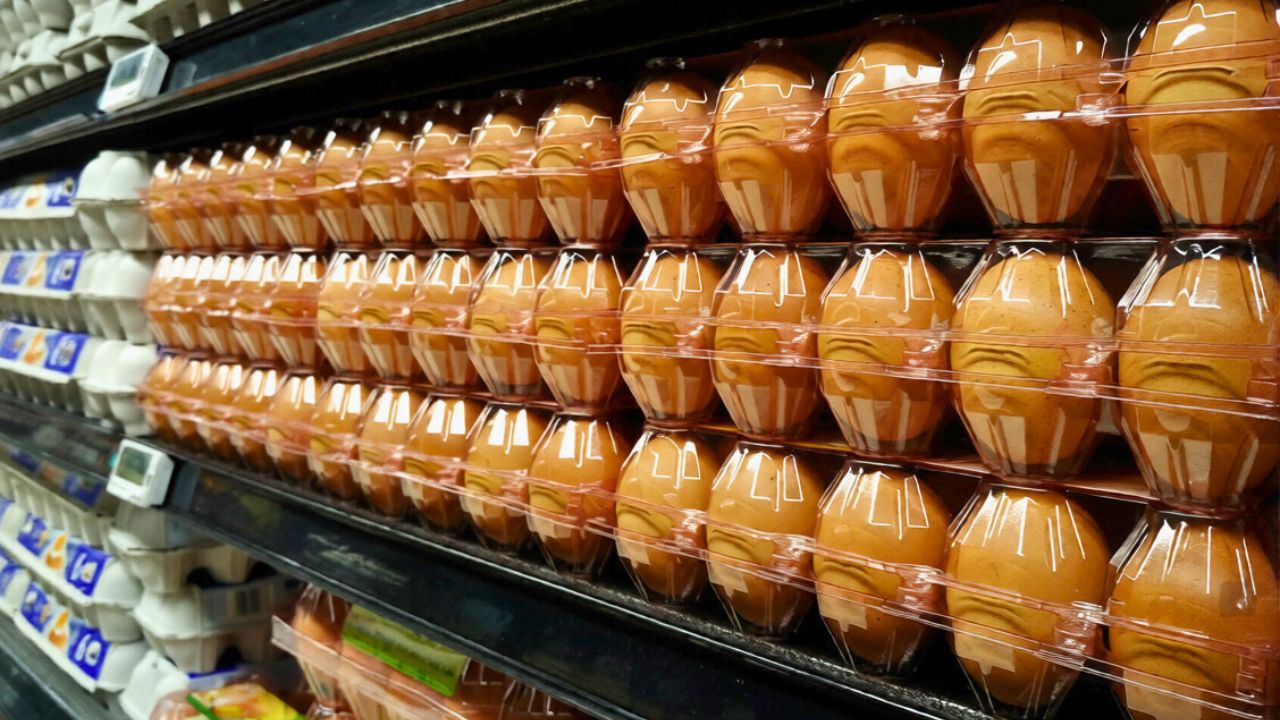
Why egg prices jump even when shelves look full (and what to buy instead)
Eggs have become a case study in how supermarket prices can feel disconnected from what you see on the shelf. Cartons are stacked, coolers are lit, yet the number on the tag keeps jumping. To understand why that happens, you need to look past the display and into the fragile system that gets an egg from a hen to your frying pan, then decide when it makes sense to reach for something else instead.
Why full shelves do not mean cheap eggs
When you walk into a store and see rows of cartons, it is easy to assume supply is healthy and prices should be stable. In reality, those shelves are the final stop in a chain where small shocks early on can ripple into big price moves by the time you check out. Retailers often keep shelves visually full to avoid panic buying, even when they are paying sharply higher costs upstream, so what you see in the cooler can lag what is happening in barns, feed markets, and trucking yards.
Eggs are also a textbook example of how demand can stay strong even as prices climb, especially for a staple that anchors breakfast, baking, and budget cooking. Economic analysis of The Market for Eggs notes that when a product is considered essential, you tend to keep buying it even as costs rise, which gives producers and retailers room to pass along higher expenses. That is why you can see a wall of cartons and still feel like the price has been “hatched” in a different reality from the one in front of you.
Bird flu and the hidden hit to laying hens
The biggest driver of recent egg price spikes has been biology, not marketing. Highly pathogenic H5N1 bird flu has torn through commercial flocks, forcing farms to cull millions of birds to contain outbreaks. Reporting on bird flu describes it as “absolutely devastating” for large operations that routinely house more than 1 million chickens, because even a small number of infections can trigger mass depopulation and a sudden collapse in egg output.
The impact is especially severe for egg-laying hens, which take months to raise before they reach peak production. Coverage of why egg prices are rising explains that the reduction in flocks has primarily hit these layers, and rebuilding those numbers is slow. Even if your local store has enough cartons today, the national system is operating with fewer birds than it needs, which keeps wholesale prices elevated and leaves retailers little room to discount.
Why prices can jump before you see a shortage
Eggs also illustrate how markets react to expectations, not just current conditions. When producers and buyers anticipate tighter supply, they start bidding up prices long before shelves look bare. One widely shared explanation of this dynamic notes that the shortage is only just starting when consumers first notice price hikes, because the market is already pricing in the reduced number of hens and the time it will take to rebuild flocks.
Government data show how this plays out between wholesale and retail. Analysts tracking supermarket trends have found that retail price movements tend to lag directional changes in wholesale prices, so when wholesale costs spike to record highs, stores may raise prices quickly to avoid selling at a loss. That is why you can feel blindsided by a sudden jump even though the underlying squeeze has been building for months in contracts and commodity markets you never see.
Beyond bird flu: feed, fuel, and inflation
Avian flu is only part of the story. Egg producers are also wrestling with higher costs for feed, energy, labor, and compliance with changing animal welfare rules. Industry analysis of Why Are Eggs So Expensive points to several factors that affect supply, including disease outbreaks, feed prices, and regulations that require more space per bird, all of which can reduce output and lead to temporary price spikes even when cartons are still reaching stores.
On the demand side, eggs have become more attractive as other proteins climb in price, which keeps pressure on the market. A detailed explainer on what is going on with eggs notes that supply chain disruptions, overall food inflation, and transportation costs are all feeding into higher shelf prices. When trucking and fuel become more expensive, every carton costs more to move, and those pennies add up by the time they reach your local supermarket.
How much are you really paying?
Sticker shock is not just a feeling, it shows up in the numbers. A widely shared snapshot of EGG PRICES IN AMERICA highlights a Cheapest price of $3.19 (which is £2.39) per dozen and a Most Expensive price of $11.99 (which is £8.87) per dozen, underscoring how wide the range can be depending on where you live and what type of eggs you buy. For a household that goes through multiple cartons a week, that spread can translate into a meaningful hit to the monthly grocery budget.
Financial writers who have tracked these swings point out that eggs have repeatedly hit record highs as H5N1 and other pressures collide with steady demand. One consumer guide on why eggs are so expensive notes that H5N1, a highly transmissible and often fatal virus for birds, has driven multiple waves of price surges and even cage free egg shortages. When you see a double digit price for a specialty carton, you are looking at the combined effect of disease, input costs, and a market that knows some shoppers will still pay for their preferred label.
Using data and shopping tools to your advantage
You are not powerless in the face of those numbers. Retail prices vary widely across chains and regions, and digital tools can help you spot better deals without driving from store to store. Large tech platforms now aggregate detailed Product information from brands, stores, and other content providers, which lets you compare unit prices, package sizes, and customer reviews for eggs and substitutes in a few taps.
Search results that surface specific egg and substitute listings, such as a highlighted grocery product, can reveal how much you are paying per egg compared with shelf stable alternatives. Similar listings for another egg related product or a plant based product help you see when a carton of eggs has quietly become more expensive than a bag of lentils or a box of tofu that delivers the same protein for less.
Cheaper proteins that can stand in for eggs
When egg prices spike, the most practical move is often to shift some of your protein budget elsewhere. Nutrition experts point out that beans, lentils, and chickpeas deliver substantial protein and fiber at a fraction of the cost per serving. One breakdown of affordable options notes that, in general, legumes are very inexpensive, with a can of beans that costs around $1.50 and contains 13 servings, which makes them a powerful stand in for eggs in savory dishes.
Guides to navigating high egg prices encourage you to Try alternatives such as tofu and other Plant based proteins, which can be scrambled, baked, or added to stir fries in place of eggs. Financial educators also stress that what you trade off in a few amino acids in one source of plant protein, you often gain back in other nutrients and lower saturated fat, so the swap can be good for both your wallet and your long term health.
Smart swaps for breakfast and baking
Breakfast is where egg inflation hits hardest, but it is also where you have the most room to experiment. Dietitians who counsel patients on egg free mornings suggest leaning on oats, yogurt, nut butters, and leftover grains topped with beans or vegetables. One health focused guide on what to eat instead of eggs notes that as the egg shortage continues, you can build satisfying breakfasts around whole grains and plant proteins without feeling like you are giving something up.
Baking is more technical, but you still have options. A nutritionist who specializes in egg free cooking explains that if you are looking to increase your protein intake without relying on eggs, there are good alternatives such as Greek yogurt, silken tofu, and commercial replacers that can stand in for eggs in many recipes. Another practical guide to egg alternatives notes that probably the least expensive option for baking is ground flaxseed mixed with two tablespoons of water, which gels into a binder that can replace one egg in quick breads and muffins.
When to buy specialty substitutes instead
If you bake frequently or avoid eggs entirely, it can be worth stocking a dedicated replacer. One example is a shelf stable mix sold on Amazon as a Plant Based Egg Mix that is labeled Non GMO, gluten free, and soy free, and comes in a 4.5 ounce package. Products like this are designed to mimic the binding and moisture of eggs in recipes, which can simplify your life if you are tired of measuring out flax or chia for every batch of pancakes.
Consumer oriented explainers on high egg prices often suggest that you Pick another protein, Bake with seeds, or Find egg replacers when cartons become too expensive. Financial educators who analyze food inflation echo that advice, arguing that as egg prices climb, now is an opportunity to explore Plant based options that can be more stable in price over time.
How to decide what to do on your next grocery run
Ultimately, your strategy comes down to knowing what you value most: cost, convenience, or tradition. Economic explainers on egg pricing, such as a breakdown that invites you to Let us investigate the elements that impact egg pricing, emphasize that you are operating in a market shaped by disease, regulation, and global commodity swings. You cannot control those forces, but you can decide when a carton at $3.19 feels acceptable and when a label creeping toward $11.99 is your cue to pivot.
When you see another jump at the shelf, remember that the price reflects more than the neat rows of cartons in front of you. It is tied to H5N1 outbreaks, transportation costs, and the slow process of rebuilding flocks that analysts describe in detail when they ask Why eggs are so expensive and explore What is Going On With Eggs. If you walk in armed with that context and a short list of substitutes you are willing to try, you can treat eggs as one option among many rather than a non negotiable line item in your cart.
Like Fix It Homestead’s content? Be sure to follow us.
Here’s more from us:
- I made Joanna Gaines’s Friendsgiving casserole and here is what I would keep
- Pump Shotguns That Jam the Moment You Actually Need Them
- The First 5 Things Guests Notice About Your Living Room at Christmas
- What Caliber Works Best for Groundhogs, Armadillos, and Other Digging Pests?
- Rifles worth keeping by the back door on any rural property
*This article was developed with AI-powered tools and has been carefully reviewed by our editors.