Why emergency home repairs are becoming the new normal
Across the country, homeowners are discovering that the most important projects on their to‑do lists are not kitchen makeovers or new decks, but burst pipes, failing furnaces, and leaking roofs that cannot wait. Rising costs, tight household budgets, and a strained repair industry are turning urgent fixes into a routine feature of homeownership rather than an occasional crisis. I see a clear pattern emerging: planned maintenance is being squeezed out, and emergency home repairs are stepping in to fill the gap.
That shift carries real financial and emotional consequences, from higher long‑term costs to more stress and less control over when and how work gets done. Understanding why this is happening, and what it means for both individual owners and the broader housing system, is the first step toward regaining some leverage in a market that increasingly rewards urgency over preparation.
The quiet pivot from planned upkeep to crisis mode
The most telling sign that emergency fixes are becoming routine is how many people are simply putting off non‑urgent work. When 71% of homeowners say they have postponed home repairs, the story is no longer about a few unlucky households but about a structural shift in how people manage their properties. I see that delay as the seedbed for future emergencies, because small issues that might have been handled with a scheduled visit are now left to grow until they break something critical.
Those same homeowners are not ignoring problems because they do not care about their houses. They are reacting to financial strain and inflation that make even basic maintenance feel out of reach, a reality captured in reporting that 71% of them have hit pause on work and that Nearly half believe their home is deteriorating as a result. Once a roof leak or electrical fault crosses the line into safety risk, owners have little choice but to call in emergency help, often at a premium price and on the contractor’s schedule instead of their own.
Why basic repairs keep getting more expensive
Behind that surge in last‑minute calls is a simple but stubborn reality: the cost of fixing anything in a house is climbing faster than many budgets. Inflation has pushed up the price of shingles, copper pipe, and even basic hardware, while service companies are paying more for fuel, insurance, and overhead. Even if the materials are available, the labor to install them is not getting cheaper, which is why I see routine jobs like replacing a water heater or repairing a sewer line turning into four‑figure shocks for households that expected something far smaller.
Industry analysis points to a mix of inflation and labor shortages as the main drivers, with one report on How Home Repairs Are Becoming More Expensive tying higher bills directly to tight labor markets and broader price pressures. Property managers echo that pattern, noting that even when suppliers hold the line on materials, service companies still have to raise rates to cover wages and keep technicians on call, a dynamic that shows up in guidance on Why Home Repair Costs are Going Up. The result is a feedback loop: higher prices lead owners to delay work, which in turn leads to more emergencies that cost even more to resolve.
The skilled labor squeeze and the rise of “urgent only” service
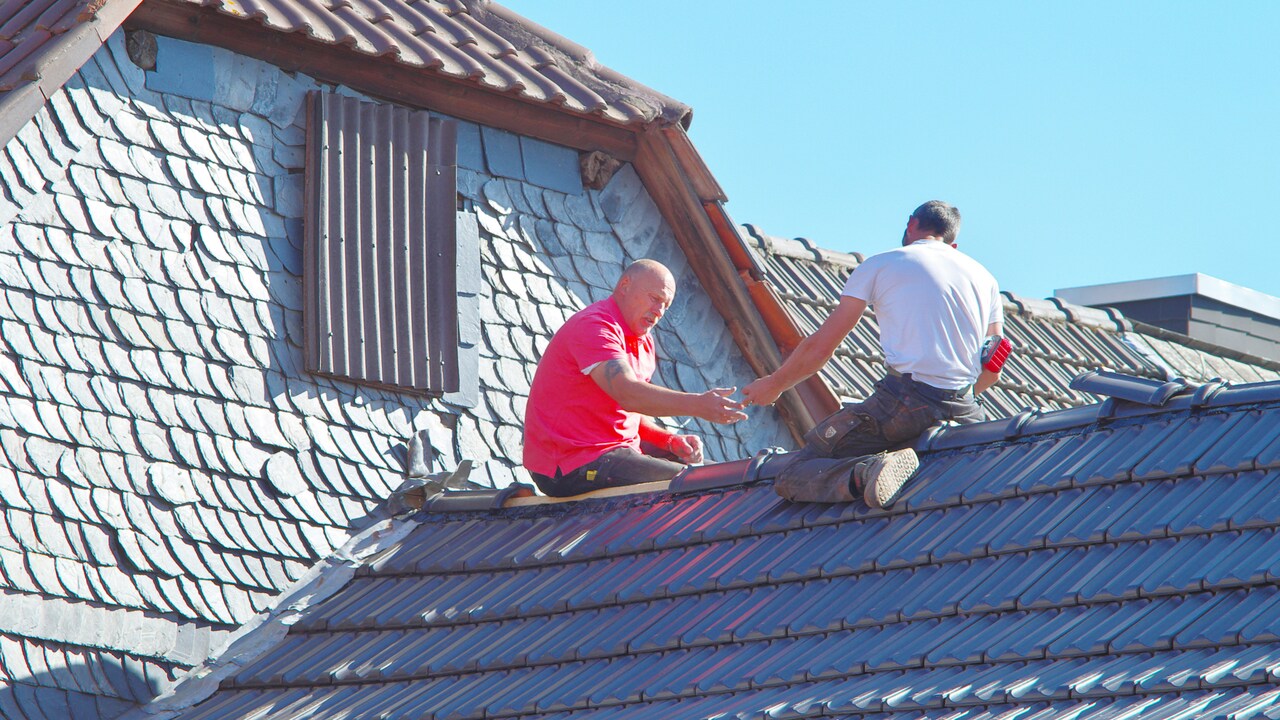
Even when homeowners are ready to spend, they are running into another obstacle: there are not enough skilled workers to go around. Electricians, plumbers, HVAC technicians, and roofers are in short supply in many regions, and that scarcity is reshaping how companies prioritize jobs. I see more contractors reserving their limited capacity for breakdowns that threaten health, safety, or habitability, while pushing routine inspections and upgrades further down the calendar.
Guidance on the current skilled labor shortage makes that hierarchy explicit, noting that, However, even if your 2025 plans do not include big renovations, the tradespeople you need may only be available for urgent service calls. That shift effectively codifies emergency work as the default, because the system is now built to respond first to failures, not to prevent them. For homeowners, it means that a failing furnace in January will get attention, but a fall tune‑up that might have prevented the breakdown is far easier to postpone or cancel.
Household budgets that only stretch to emergencies
At the household level, the math is just as unforgiving. Traditional rules of thumb suggest that owners should set aside a fixed share of their home’s value each year for maintenance, but in practice many families are struggling to cover even their monthly bills. When savings are thin, it is rational, if risky, to skip a minor repair today and hope it holds until the next paycheck, even if that choice raises the odds of a more expensive failure later.
One widely cited guideline, known as the 1% rule, advises owners to Put aside 1% of the purchase price of a home each year for upkeep, which would mean saving $2,500 annually on a $250,00 property, even though the figure $250 appears in the underlying guidance. For a family already stretched by childcare, car payments on a 2021 Toyota RAV4, and student loans, that target can feel theoretical. Financial planners still argue that it is a good idea for everyone to have money set aside for home repairs, especially those not living in a brand‑new home, and note that many owners have already faced emergency home repairs in the past year. In practice, though, I see more people treating that reserve as an emergency‑only fund, dipping into it only when something breaks rather than for preventive work.
When landlords and housing providers go reactive
The emergency mindset is not limited to individual homeowners. Social landlords, housing associations, and private rental operators are also reordering their priorities in response to inflation and tight budgets. Instead of scheduling cyclical upgrades, such as replacing aging boilers or refreshing exterior paint on a predictable timetable, many are channeling scarce resources into keeping properties just safe and functional enough to meet legal standards.
In an inflationary environment, housing providers may feel compelled to cut resources and delay planned repairs and maintenance, prioritising reactive or emergency appointments instead, a pattern highlighted in analysis of how social housing repairs are managed. I see that shift playing out in longer waits for non‑urgent issues like sticking windows or worn flooring, while leaks, heating failures, and electrical faults are bumped to the front of the line. For tenants, the message is clear: unless a problem is an emergency, it may not be addressed quickly, which in turn encourages residents to frame more issues as urgent just to get attention.
The emotional toll of living one breakdown away from crisis
Beyond the spreadsheets and service queues, there is a quieter cost to this new normal: the stress of knowing that a single failure could upend a family’s finances. When owners postpone work because they cannot afford it, they are not just risking higher future bills, they are also living with a constant low‑level anxiety about what might go wrong next. I hear that in stories of people sleeping lightly during storms because they are worried about the roof, or keeping towels under a known leak because they cannot yet pay for a plumber.
That anxiety is compounded by the sense of losing control. Instead of choosing when to schedule a repair, comparing bids, and planning around work, homeowners in crisis mode are often forced to accept whoever can come fastest at whatever price is quoted. The combination of rising costs documented in reports on Why Home Repair Costs are Going Up and the labor constraints described in coverage of And What It Means for Homeowners Inflation and Labor Shortages leaves little room for negotiation. Over time, that erodes the sense of security that homeownership is supposed to provide.
How owners can adapt when emergencies are the default
None of these trends are likely to reverse quickly, which means homeowners need strategies that reflect the reality of more frequent urgent repairs. I see three practical levers that can help: building a modest but dedicated repair reserve, using technology to spot problems earlier, and being strategic about which projects to prioritize when money is tight. Even a small monthly transfer into a separate savings account labeled “house repairs” can create a psychological barrier that makes it easier to leave that money untouched until it is truly needed.
On the technology front, tools that were once reserved for large landlords are becoming more accessible to individual owners. Smart leak detectors from brands like Moen or Flo can send alerts before a minor drip becomes a major flood, while inexpensive temperature sensors can warn of freezing pipes in a detached garage. In the social housing sector, AI‑driven platforms are already being used to triage repair requests and extend maintenance budgets, as seen in efforts to use AI to stretch limited resources. I expect more of those tools to filter into the consumer market, giving owners better data about which issues are most likely to turn into emergencies and when it is worth paying for preventive work despite the squeeze.
Like Fix It Homestead’s content? Be sure to follow us.
- Man Says He Found Out the Fence He Paid For Wasn’t Actually on His Property
- Woman Says Her Neighbor Started Taking Mulch From Her Delivery Pile Before She Could Even Spread It
- I made Joanna Gaines’s Friendsgiving casserole and here is what I would keep
- What Caliber Works Best for Groundhogs, Armadillos, and Other Digging Pests?
*This article was developed with AI-powered tools and has been carefully reviewed by our editors.