Why fixer upper buyers underestimate this repair
In a hot housing market, a tired-looking house can feel like your only shot at getting the keys to anything with a yard and a halfway decent kitchen. You tell yourself you can live with the quirks, paint over the ugly, and chip away at projects on weekends. Yet the repair that most fixer upper buyers underestimate is not cosmetic at all, and getting it wrong can turn a “deal” into a financial sinkhole.
The real budget killer is structural and systems work, especially anything tied to the foundation and the bones of the house. You see the price tag and the potential, but the concrete, wiring, plumbing, and layout changes you cannot Instagram are often what quietly blow up your budget and your timeline.
The real money pit: the work you cannot see
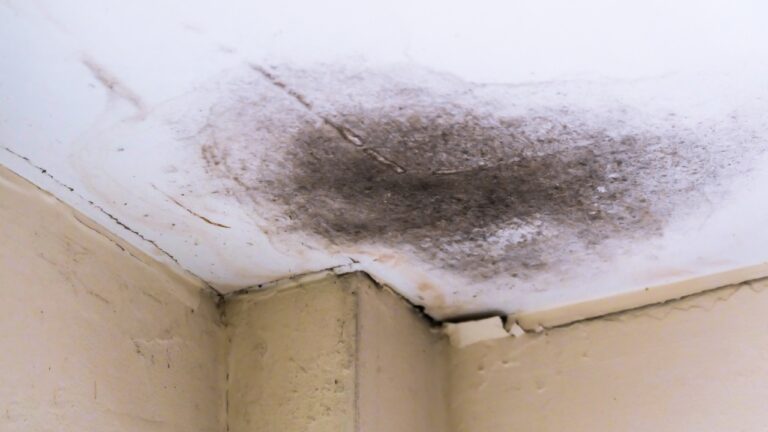
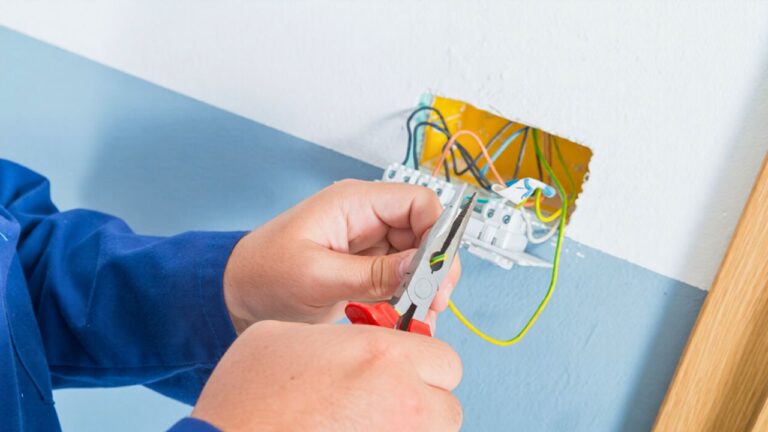
When you walk into a fixer, your eye goes straight to what feels fixable: the avocado fridge, the stained carpet, the dated tile. Those are the fun projects, and they are relatively predictable. What you are far more likely to underestimate are the repairs buried in walls and under floors, like old electrical, aging pipes, and foundation movement. One detailed breakdown of common pitfalls notes that buyers often focus on the low list price and then get blindsided by hidden repair costs such as Old wiring, plumbing issues, or foundation cracks that only show up once a professional starts probing.
Those invisible fixes are expensive because they are labor heavy and disruptive. Replacing galvanized plumbing or knob and tube wiring means opening walls, moving you out of rooms, and paying licensed trades for specialized work. Guidance for investors in distressed properties warns you not to disregard foundational or layout issues, since correcting them can involve pouring new concrete or replacing entire plumbing runs, not just patching a crack. That is the repair category buyers chronically lowball, because you cannot easily see it during a quick showing and it is far less exciting to budget for than a new range or a walk in shower.
Why the numbers almost always come in higher
Even when you try to be realistic, renovation math has a way of drifting upward. You start with a contractor estimate, add a mental buffer, and still end up short. Several consumer focused guides flag Underestimating Renovation Costs as the single biggest mistake, especially for projects that touch structure or systems. One checklist for first time rehab buyers goes so far as to advise you to Add 20 to 30 percent to any contractor estimate as a minimum cushion, precisely because surprises behind the walls are so common.
Part of the problem is that the “cheap house” story is emotionally powerful. You see a list price below market and mentally bank the difference as renovation money. A detailed explainer on what defines a fixer points out that a What Is Fixer Upper is typically priced below comparable homes because it needs major repairs or updates, including poor insulation or damaged windows, not just cosmetic tweaks. When you treat that discount as “free” renovation cash, you ignore the reality that structural work often costs more than the gap between your fixer and a move in ready house. One buyer sharing their experience in a booming market noted that Where they lived, contractor prices had surged faster than home prices, so the assumed savings evaporated once bids came in.
The foundation problem everyone wants to ignore
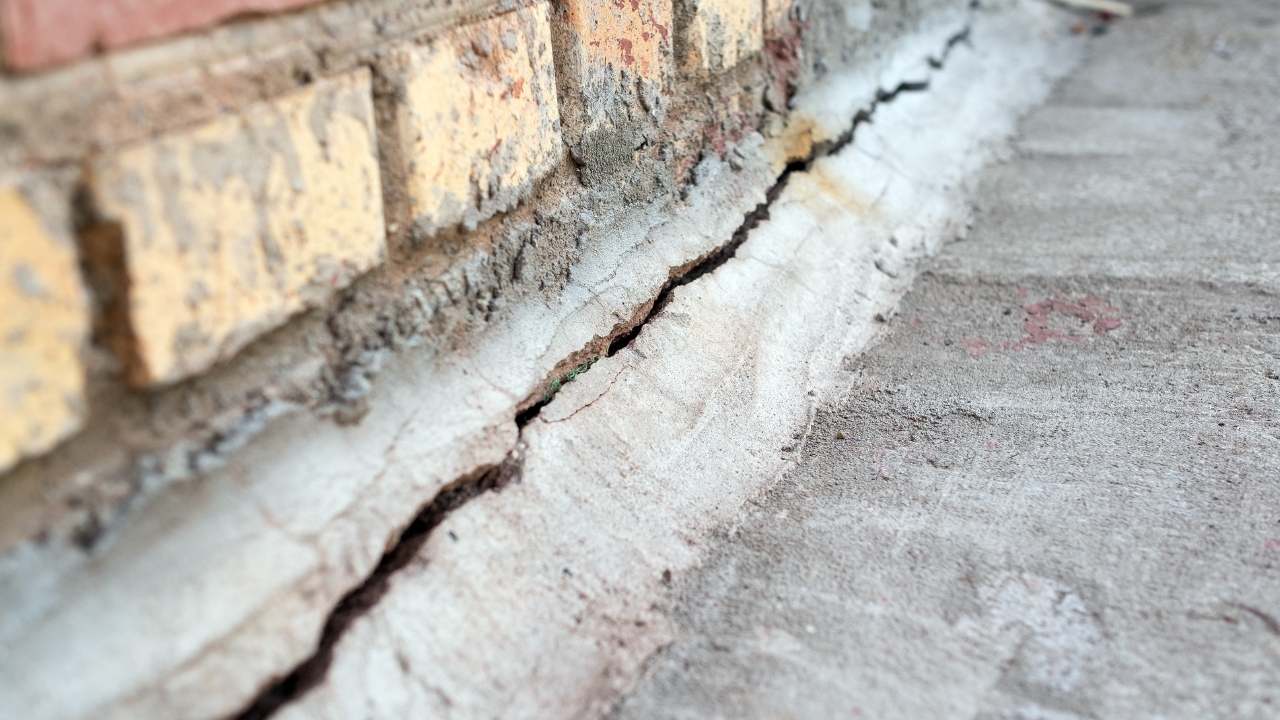
If there is one repair category that consistently gets underestimated, it is foundation and structural work. You might notice a hairline crack or a slightly sloping floor and shrug, telling yourself you can live with it or fix it later. Inspectors and structural specialists are far less relaxed. One detailed breakdown of inspection risks labels The Foundation Problem That Haunts Homebuyers Everywhere as a top concern, with a table that categorizes each Red Flag Category, its Severity Level, and how quickly it needs attention. The message is blunt: issues with the base of the house are not optional or cosmetic, they are urgent and can be extremely costly to stabilize.
Investors who specialize in distressed properties echo that warning. Guidance aimed at buyers of rental fixers stresses that you should not overlook foundational or layout issues, because correcting them can involve replacing plumbing or pouring new concrete, not just patching a corner. Another consumer facing explainer on inspection risks notes that Inspection Surprises in a Fixer often involve hidden structural problems that were not obvious during a casual walk through, and that can be especially stressful and financially damaging once you are already under contract. When you underestimate this category, you are not just mispricing a line item, you are gambling with the safety and stability of the entire house.
How TV and “cheap house” myths warp your expectations
Your sense of what a renovation should cost is rarely built from contractor spreadsheets. It is shaped by glossy before and after montages and social media posts that compress months of work into a 30 second reel. That is part of why structural repairs feel like an overcharge instead of a baseline reality. A detailed critique of a popular renovation show points out that HGTV programs like Fixer Upper have been accused of presenting major renovations as if they can be done on unrealistically low budgets, which leaves real world buyers shocked when actual bids come in.
On the ground, the numbers look very different. One seasoned rehabber sharing a Couple of key points about buying in a hot market warned that They are still relatively expensive, so you should not expect a bargain just because the house needs work. Another first time buyer described how, in their area, the market was growing faster than contractors could keep up, so labor prices reflected that tight supply. When you combine those realities with the tendency of fixer focused guides to highlight Pricey Repairs Despite the lower purchase price, it becomes clear that the “cheap house plus sweat equity” narrative is often out of sync with what structural and systems work actually costs in your local market.
Budgeting like someone who has done this before
If you still want the project house, the solution is not to run from every crack or old pipe, it is to budget as if the worst case is likely. Experienced agents and rehab specialists repeatedly stress Careful Budgeting as the difference between a satisfying renovation and a financial mess. The advice is consistent: Before you even make an offer, you should walk the house with contractors, list every project that needs to be done, and build a line item budget that includes structural, mechanical, and code related work, not just finishes. Then you add a contingency of at least 20 to 30 percent on top, in line with the recommendation to Underestimating Renovation Costs and Add a substantial buffer.
You also need to be realistic about how you will pay for all of this. Traditional mortgages are not always designed for heavy rehab, and some lenders flag Financing Challenges as a major downside of buying a distressed property. Getting the money you need can be more complicated than financing a move in ready home, especially if the property will not qualify for standard loan programs until repairs are complete. On top of that, you have to factor in the human cost. Renovation guides for first time buyers describe Living in Construction Chaos and Renovating while you live in the home as messy, loud, and stressful, especially if you are juggling work, kids, or limited savings. When you build your budget, you should treat temporary housing, storage, and lost time as real costs, right alongside the structural repairs you now know you cannot afford to underestimate.
Like Fix It Homestead’s content? Be sure to follow us.
Here’s more from us:
- I made Joanna Gaines’s Friendsgiving casserole and here is what I would keep
- Pump Shotguns That Jam the Moment You Actually Need Them
- The First 5 Things Guests Notice About Your Living Room at Christmas
- What Caliber Works Best for Groundhogs, Armadillos, and Other Digging Pests?
- Rifles worth keeping by the back door on any rural property
*This article was developed with AI-powered tools and has been carefully reviewed by our editors.