Why floor repairs age poorly in older homes
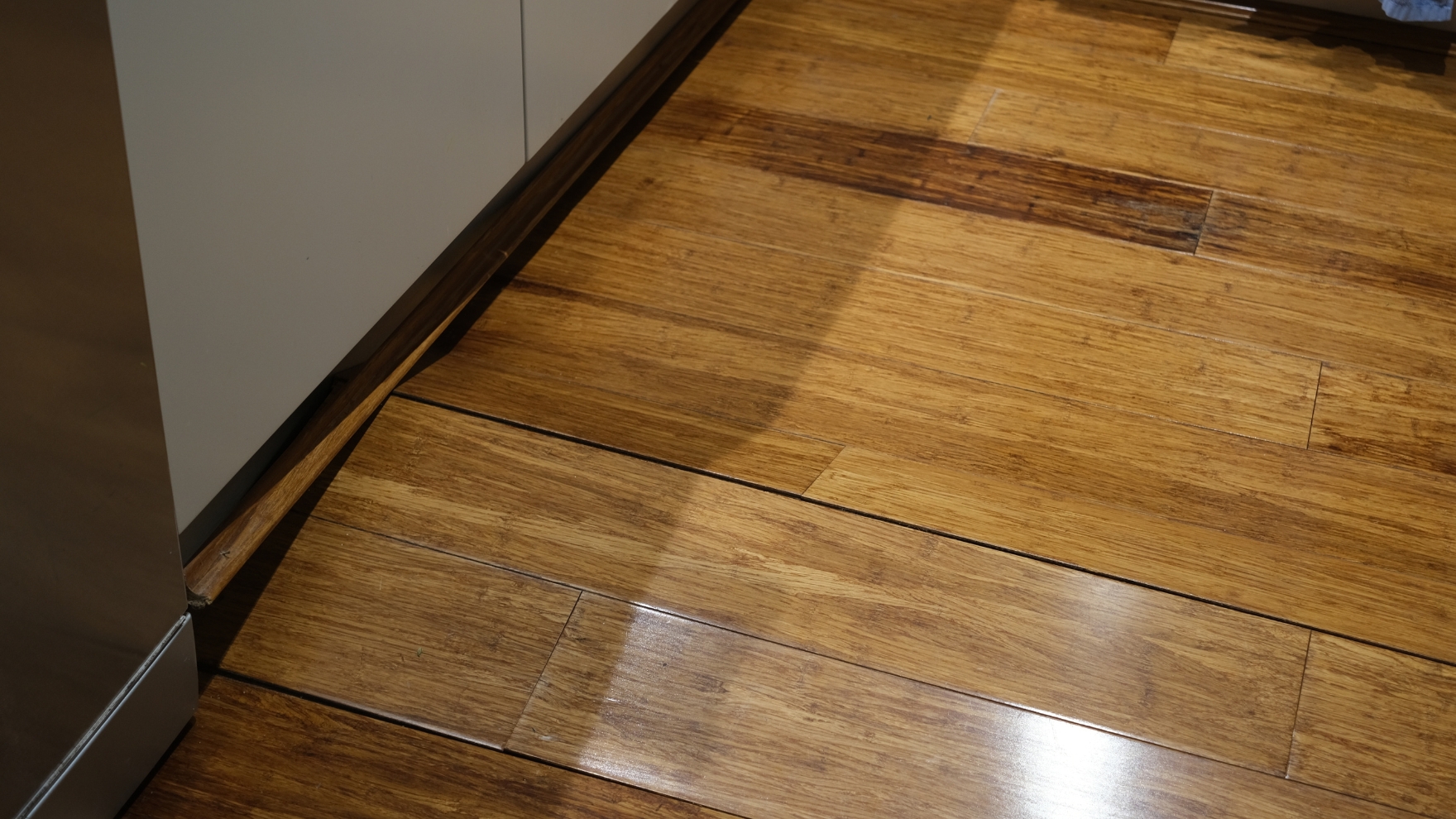
Floor fixes in older houses often look great for a year or two, then crack, cup, or sag right back out of level. The problem is rarely the patch itself. It is that you are asking a century old structure, with tired framing and a shifting foundation, to behave like new construction. Unless you address the age related weaknesses under the surface, even careful repairs tend to age badly.
To understand why your floors keep misbehaving, you have to look beyond the finish layer. From differential settlement and undersized joists to moisture, missing insulation, and quick cosmetic work, the forces acting on an old floor are constant and cumulative. That slow grind is what defeats so many well intentioned repairs.
Old structures move, quick fixes do not
Older homes rarely fail all at once. They wear down piece by piece, as framing dries, foundations settle and mechanical work carves into structural members. Reporting on aging houses notes that Houses deteriorate one material and one system at a time, so when you only resurface a floor you are working on the symptom, not the cause. Jan and other building specialists point out that when you ignore the underlying movement, the same problem resurfaces, often worse than before, because the rigid new patch cannot flex with the rest of the structure.
That mismatch is especially obvious with sagging or sloping floors. Contractors like Dennis at Own Rehab Pros describe jobs where owners sanded and refinished wavy hardwood, only to watch gaps and dips reappear as the framing kept shifting. In another case, a homeowner in Fort Worth asked why the wood floor in a hundred year old house suddenly failed after looking fine for years, and the answer traced back to long term movement and hidden damage rather than the surface boards. When the structure keeps moving and the repair is static, the repair loses.
Foundations in older homes rarely sit still
Under almost every persistent floor problem in an older house is a foundation that has changed shape over time. Guidance on Common Foundation Challenges in Older Homes highlights Differential Settlement as one of the most prevalent issues. One corner of the house sinks faster than another, or interior piers drop relative to exterior walls, and the floor system above twists to follow. When you install new hardwood or self leveling compound on top of that, the material initially hides the slope, but as Differential Settlement continues, cracks telegraph through and boards separate.
Regional examples show how relentless this process can be. In Oak Hill, structural specialists note that Most houses were built on foundations now being tested by decades of soil movement, moisture changes and inadequate drainage, which explains Why Do Foundations in Oak Hill Shift Over Time. When Most of a city’s housing stock is 65 plus years old, as reported for Oak Hill, you are dealing with foundations that have already moved and are still susceptible to damage over time. Floor repairs that ignore that ongoing motion, or that try to force the framing back to perfectly level in one step, are almost guaranteed to age poorly.
Framing fatigue and historic design quirks
Even when the foundation is relatively stable, the floor framing in Historic Homes often carries a century of modifications and overloads. Analysis of What Causes Uneven Flooring in these buildings points to joists that were undersized by modern standards, beams that have deflected under long term loads, and support posts that have rotted at the base. Natural creep in wood, combined with Foundation Settlement, leaves floors that are no longer flat or uniformly supported. If you simply sister a few joists or add shims under subfloor panels without rethinking the load path, the new material ends up riding on a tired structure and quickly follows it out of plane.
Real world accounts from homeowners back this up. In one discussion about a 100 year old home with bowed floors and slightly tilted stairs, commenters noted that it is not uncommon for old houses to be built with inadequate floor joists, or to have joists rotted or cut by plumbers and electricians, as described in a Jul thread. Another Comments Section on sloping floors in a century old house boiled the advice down to one blunt phrase, JACK IT, underscoring that you often need to re support the structure, not just patch the surface. When you skip that structural work, your cosmetic fixes are sitting on a moving target.
Moisture, missing insulation and the quiet rot problem
Moisture is another reason floor repairs in older homes do not last. Guidance on Identify the Severity of a Sagging Floor notes that Some minor sagging is natural in a historic house, but when you see rapid changes, you should suspect water, rot or insect damage. Masonry foundations with poor drainage, damp crawlspaces and basements with poor ventilation all feed decay in sill plates and joists. A separate review of Common Structural Issues In Old Houses points out that one of the first places age related problems show up is in floors over wet crawlspaces or basements with poor ventilation, where wood stays damp and slowly loses strength.
Thermal performance compounds the issue. Inspectors who study Common Age Related Issues With Homes note that Older houses were not built with insulation in the flooring or walls, because vapor barriers and insulation that could withstand moisture were not standard when these buildings went up. That means your floor system often sits above a cold, damp void. When you install new hardwood or engineered flooring without addressing moisture control and ventilation, seasonal humidity swings cause cupping, gapping and finish failure. Advanced repair guides for historic hardwood stress that Assessing the condition of the floor and subfloor, and managing moisture control and stabilization Before any repair, is essential to extend the life of the repaired floor. Skip that step and even a beautifully executed patch will age quickly.
Why assessment and pacing matter more than perfection
The pattern running through these failures is not that old floors cannot be fixed, but that they cannot be fixed in isolation. Specialists who focus on uneven floors in older homes emphasize that Before tackling repairs, you need to understand Why floors became uneven in the first place, whether from Foundation settlement, framing issues or moisture, as outlined in a Jan guide to fixing uneven floors. That means starting with a structured assessment, not a sander. Detailed methods for Assessing the condition of historic hardwood floors recommend mapping high and low spots, probing for rot, checking joist spans and connections, and measuring moisture levels Before you commit to any finish work.
Once you know what is moving, the repair strategy has to respect the age of the building. Preservation guidance on how to Identify the Severity of a Sagging Floor notes that Some sagging is acceptable and even expected in a historic structure, and that aggressive attempts to force everything perfectly level in one shot can crack plaster, stress masonry and create new problems. Structural repair experts dealing with Older Homes with Differential Settlement often recommend staged lifting, added support piers and improved drainage rather than a single dramatic correction. If you accept that a slightly out of level floor can be structurally sound, and focus your budget on stabilizing the foundation, improving ventilation and reinforcing weak framing, the finish repairs you make on top are far more likely to age gracefully instead of failing on repeat.
Like Fix It Homestead’s content? Be sure to follow us.
Here’s more from us:
- I made Joanna Gaines’s Friendsgiving casserole and here is what I would keep
- Pump Shotguns That Jam the Moment You Actually Need Them
- The First 5 Things Guests Notice About Your Living Room at Christmas
- What Caliber Works Best for Groundhogs, Armadillos, and Other Digging Pests?
- Rifles worth keeping by the back door on any rural property
*This article was developed with AI-powered tools and has been carefully reviewed by our editors.