Why inspectors now ask more questions after “simple” home repairs
Home inspectors used to breeze past minor repairs with a quick note and a shrug. Now, even a “simple” patch or replacement can trigger a string of follow-up questions that surprise homeowners and buyers alike. You are seeing that shift because small fixes often hide bigger risks, and regulators, insurers, and inspectors have all tightened expectations in response.
Instead of treating a new outlet, a fresh roof shingle, or a re-hung garage door as routine, inspectors increasingly treat them as clues. They want to know who did the work, whether it met code, and what it might be concealing, because those details can affect your safety, your financing, and your insurance options long after the contractor’s truck pulls away.
From quick look to risk investigation
When you invite an inspector into a home that has just had “minor” work, you are no longer getting a casual once-over. Inspectors are trained to look for potential Safety Issues, and they will flag anything that hints at a hazard, even if it seems minimal to you. That can include missing handrails, loose steps, or improperly installed smoke alarms, all of which are easy to overlook when you are focused on cosmetic upgrades.
Because those red flags can derail a sale or trigger expensive repairs, inspectors now treat every visible repair as a starting point for deeper questions. If they see a new section of drywall, they want to know whether it covers past water damage. If they spot a recently replaced outlet, they will ask whether a licensed electrician did the work. The goal is not to nitpick your punch list, but to understand whether the fixes actually reduced risk or simply hid it from view.
Hidden problems behind “simple” fixes
One reason you face more probing questions is that what looks like a quick repair can mask serious structural or mechanical trouble. A slightly crooked garage door, for example, might seem like a nuisance until an inspector recognizes that the misalignment could signal Hidden damage in the tracks, springs, or framing. In that scenario, the “simple” adjustment you paid for may have left a larger structural issue untouched.
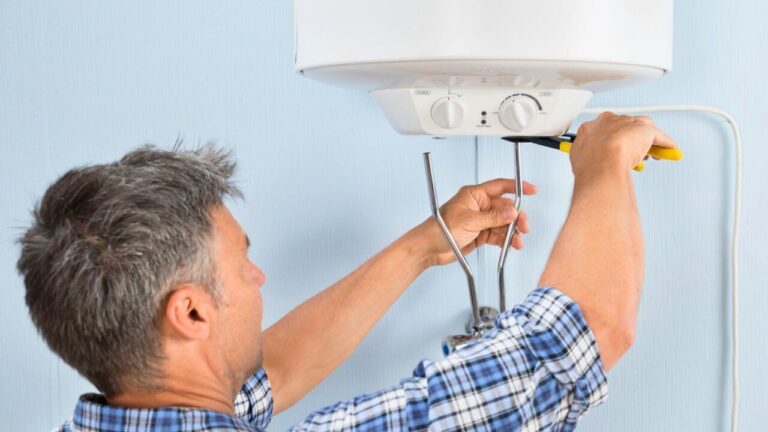
The same pattern shows up across the house. A fresh coat of paint can conceal past leaks, a patched foundation crack can hide ongoing movement, and a new water heater can be installed without proper venting. Inspectors know that foundation cracks, poor drainage, and improperly installed heaters frequently trigger inspection flags, so they now treat every repair as a potential breadcrumb leading back to those bigger concerns.
DIY work and the new scrutiny on “who did this?”
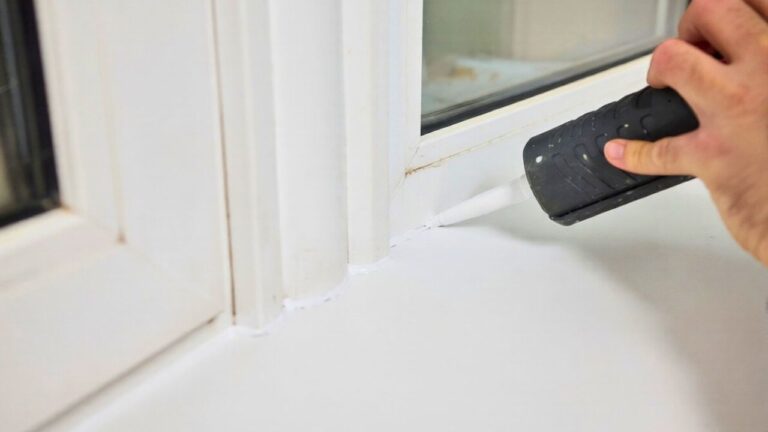
Inspectors have also learned the hard way that do-it-yourself enthusiasm can create as many problems as it solves. When they see fresh caulk around a tub or a new light fixture, they are not just admiring your handiwork, they are asking whether the work involved DIY Electrical and plumbing work that might violate code or compromise safety. Some of the most serious issues inspectors encounter start with a homeowner who meant well but skipped permits, inspections, or basic safety steps.
That is why you now hear more questions about receipts, permits, and contractor licenses, even for repairs you consider trivial. Inspectors know that damaged shingles, Old wiring, and improvised fixes to structural components can all be hidden behind neat finishes. By pressing you on who did the work and how, they are trying to distinguish between a professional repair that truly resolves a problem and a cosmetic patch that leaves the underlying risk in place.
Insurance companies are asking more, so inspectors do too
Behind the scenes, your insurer is another reason inspectors have become more inquisitive. When you apply for or renew a policy, You are going to be asked about electrical and plumbing for sure, because carriers want the wiring checked and will have You answer questions about past work and current condition. If your answers do not line up with what an inspector sees, that mismatch can delay coverage or lead to exclusions.
Inspectors understand that dynamic, so they now document repairs and upgrades in more detail to give insurers a clearer picture of risk. When they ask whether a licensed plumber replaced that water line or whether a permit was pulled for the new panel, they are effectively anticipating the same questions your insurer will ask later. The more precise their report, the easier it is for you to secure coverage without surprise inspections or premium hikes tied to undisclosed work.
Financing rules and mandatory fixes after inspections
Lenders have also raised the stakes, especially for government-backed loans. If you are using an FHA or VA mortgage, the property has to meet specific safety and habitability standards, and FHA rules require sellers to complete certain repairs before closing when the home falls short. Cracked or bowing foundation walls, missing handrails, or exposed wiring are not just negotiation points, they are deal breakers until they are fixed and re-inspected.
That is why inspectors now probe more deeply into any repair that touches structural components, electrical systems, or life-safety features. They know that if they miss a serious issue, the lender’s appraiser or underwriter may catch it later, forcing a rushed round of work and a delayed closing. By asking more questions up front, they give you a clearer picture of what must be addressed to keep your financing on track, rather than leaving you to discover those requirements at the eleventh hour.
New laws and stricter standards for inspections
Regulators have not been idle either. In some markets, lawmakers have expanded buyers’ rights and tightened expectations around inspections, which indirectly pushes inspectors to be more thorough. In Massachusetts, for example, a new law described in Oct gives buyers the right to a home inspection in transactions involving certain ownership shares tied to residential occupancy, which raises the profile and legal weight of the inspection itself.
At the same time, Some regions are implementing stricter licensing and certification requirements for home inspectors, aiming to elevate industry standards in the eyes of clients and Some regulatory bodies alike. When your license and livelihood depend on meeting those standards, you ask more questions, not fewer. Inspectors now document their reasoning, clarify the limits of what they can see, and probe any repair that might later be cited in a complaint or legal dispute.
Inspectors’ liability and why they avoid “quick answers”
Professional risk is another powerful motivator behind the extra scrutiny. Sometimes, inspectors come from construction or handyman backgrounds, and Lots of them feel tempted to suggest fixes or even estimate costs on the spot. Yet They have learned that stepping into the role of contractor can expose them to errors and omissions claims if the repair advice turns out to be incomplete or inaccurate, which is why Sometimes they now stop short of telling you exactly how to fix something.
Industry guidance warns that Recommending specific repair methods may exceed an inspector’s scope and that Your inspection contract should spell out those limits so the report does not become a blueprint for work that goes wrong. To keep their role clear, inspectors increasingly respond to “simple” repair questions with more questions of their own, asking about permits, warranties, and contractor qualifications, and then advising you to consult the appropriate licensed professional rather than relying on their off-the-cuff suggestions, which keeps your home and their liability from being the only things at risk as noted in Recommending.
What a modern inspection really covers
As inspections have evolved, the scope has become more systematic and less forgiving of shortcuts. A typical visit is now framed as What a Home Inspection Covers, a non-invasive but top-to-bottom visual review of the structure, roof, electrical, plumbing, HVAC, and major appliances. Within that framework, every recent repair is a data point that can either confirm the home is being maintained properly or hint that problems are being papered over.
For you, that means the days of assuming a quick fix will slide by unnoticed are over. Inspectors now connect the dots between small changes and big systems, asking how a new fixture ties into older wiring, or how a patched crack relates to overall drainage. Their questions are designed to place each repair in context, so the final report reflects not just what has been done, but what those changes say about the home’s long term health.
How you can prepare for tougher questions
If you want your next inspection to go smoothly, the best strategy is to anticipate the scrutiny rather than resent it. Start by gathering documentation for recent work, including invoices, permits, and any warranties, so you can answer questions about who did what without guessing. When you can show that a licensed electrician handled that panel upgrade or that a structural engineer evaluated that crack, you give the inspector confidence that the “simple” repair is part of a responsible maintenance history, not a cover-up.
You can also use the inspector’s mindset as a checklist before they arrive. Walk through your home looking for obvious Safety Issues like missing smoke alarms, loose railings, or exposed junction boxes, the same kinds of problems Inspectors routinely flag. Addressing those items in a thorough, code compliant way before the visit will not eliminate tough questions, but it will shift the conversation from “what went wrong here” to “how well has this home been cared for,” which is exactly where you want it when a sale, a policy, or a loan is on the line.
Like Fix It Homestead’s content? Be sure to follow us.
Here’s more from us:
- I made Joanna Gaines’s Friendsgiving casserole and here is what I would keep
- Pump Shotguns That Jam the Moment You Actually Need Them
- The First 5 Things Guests Notice About Your Living Room at Christmas
- What Caliber Works Best for Groundhogs, Armadillos, and Other Digging Pests?
- Rifles worth keeping by the back door on any rural property
*This article was developed with AI-powered tools and has been carefully reviewed by our editors.