Why inspectors worry about finished basements in older homes
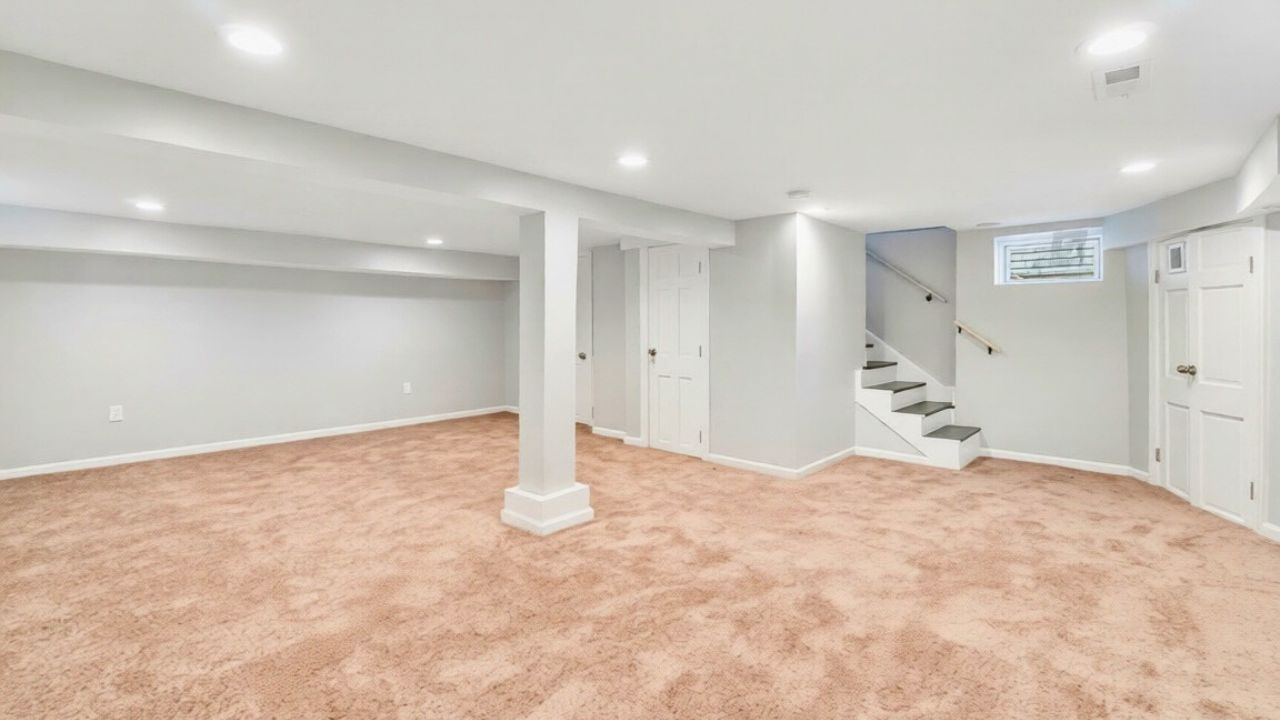
When you walk into an older house and see a glossy, fully finished basement, it can feel like you are getting bonus square footage for free. Inspectors tend to see something else entirely, because turning a 1920s or 1890s cellar into living space often means hiding the very systems that determine whether the structure is dry, stable, and safe. The more layers of drywall, flooring, and trim you add, the harder it becomes to spot the problems that matter most.
That is why seasoned inspectors and experienced buyers often treat finished lower levels in older homes as a yellow light rather than an automatic upgrade. They are not opposed to extra living space, but they know that basements built long before modern codes were never designed for bedrooms, home theaters, or offices, and that retrofitting them can expose you to structural, moisture, and air quality risks that are expensive to correct.
Why older basements were never meant to be living space
In many prewar houses, the basement was built as a utility zone, not as a place where you would spend hours working or sleeping. The walls might be stone or unreinforced block, the floor may be uneven or only partially slabbed, and the ceiling height can be closer to a crawl space than a modern family room. One owner of an 1890s house described how the structure was simply “not designed” for a modern finish, noting that the safest choice for some buyers is to accept the basement as storage rather than force it into a use it cannot support, a concern echoed in a detailed inspection of a 130 year old home.
When you add walls, ceilings, and flooring to that kind of space, you are asking century old foundations, undersized beams, and aging utilities to carry loads and uses they were never engineered to handle. Even if the work looks neat, inspectors worry about whether the original structure can safely support the added weight of framing and finishes, whether headroom and stair geometry meet current standards, and whether the basement has any realistic path to meet modern expectations for comfort and safety. In older homes, the starting point is often a cellar that was meant to be cool, damp, and unfinished, and every upgrade has to fight that original design.
How finishes can hide structural and foundation problems
From an inspector’s perspective, the biggest red flag with a finished basement in an older house is not the paint color, it is what you can no longer see. Once drywall and paneling go up, hairline cracks in foundation walls, bowing masonry, or patched sections of concrete can disappear from view. Buyers sometimes discover later that a seemingly cozy rec room was built in front of a wall that an inspector had already flagged as a “potential foundation problem,” with concerns that the structure might not be “fundamentally secure,” as described in one report on a finished space.
Owners of older properties often ask whether cracks or uneven floors in the basement are “normal” for the age of the house, and community discussions show how frequently these questions come up when photos of a rough foundation are shared for feedback, as in a widely discussed thread about basement walls. Inspectors know that once those surfaces are covered, it becomes much harder to monitor whether movement is ongoing or stable. That is why they pay close attention to any clues that a finished room might be concealing structural repairs, from oddly placed soffits to short sections of exposed wall that do not match the rest of the perimeter.
Water, moisture, and the quiet rot behind the drywall
Moisture is the second major reason inspectors are wary when they see carpet and drywall in an older basement. Concrete is not waterproof, and one detailed building science guide notes that concrete is porous and will absorb moisture for as long as it has a source, which is why basement walls are often damp even when there is no obvious leak. When you press insulation and plastic against those walls, you can trap that moisture, and if you then cover it with drywall, your walls can quietly rot behind the finish, a pattern explained in depth in a technical analysis of wet basements.
Inspectors also know that finished floors can hide chronic seepage that would be obvious on bare concrete. In one widely shared warning to first time buyers, contributors urged people to be cautious about finished basements in older homes precisely because water intrusion is easier to miss once everything is covered, even though a flood or slow leak can destroy flooring and framing in a single season, a point that comes through clearly in a popular discussion about these risks. For inspectors, the presence of drywall and plush carpet in a house with a long freeze thaw history is not a comfort, it is a prompt to look harder for stains, musty odors, and warped trim that hint at what is happening behind the surfaces.
Code, egress, and the problem of low ceilings
Even when a basement looks dry and solid, inspectors have to think about whether it can legally and safely function as living space. Many older basements have ceilings that barely clear seven feet, and some are lower, which makes it difficult to meet modern code requirements for habitable rooms. Homeowners in online groups often ask whether a 100 year old basement with 7 foot ceilings and no exterior egress can be finished as a bedroom or family room, as in one post that began with “Another post from me” and asked “Has anyone finished their old basement with 7 foot ceilings?” while noting that the space had no egress that goes outside and only tiny windows, a scenario laid out in a detailed exchange.
Inspectors also have to apply local building codes that govern how existing basements can be converted. In Minnesota, for example, guidance on finishing basements in existing houses explains how the State of Minnesota Residential Code treats these projects, clarifying when permits, insulation, and egress upgrades are required and how new work must tie into the existing structure, as outlined in an official code interpretation. When you see a basement bedroom in an older home with a small, high window and no clear escape route, an inspector is likely to flag it as a safety issue, regardless of how nicely it has been staged.
Electrical, plumbing, and the hidden systems behind the walls
Beyond structure and moisture, inspectors worry about what finishing work has done to the electrical and plumbing systems in an older house. Many early twentieth century homes still have legacy wiring or piecemeal upgrades, and once ceilings and walls are closed, it becomes harder to verify whether junction boxes are accessible, circuits are grounded, or outlets are properly spaced. In one community discussion about a builder that discouraged basement finishing, a homeowner summarized the problem bluntly, noting that “Basically, the entire basement needs to have all the wiring ripped out and redone to do even a minor remodel,” and that “Plumbing” was “Done” just as haphazardly, a concern captured in a candid comment about the scope of work required.
Inspectors who specialize in older homes often find that finished basements are full of informal modifications, from outlets that are not grounded to junctions buried behind drywall. One inspection firm notes that finished lower levels are “full of layers” of drywall, paneling, and flooring that can hide unsafe wiring, unprotected plumbing, or makeshift framing, and that these conditions are easy to overlook during an informal remodel, a pattern described in detail in a piece on why such spaces need more scrutiny, not less, which highlights how outlets and other components are often installed without proper oversight. When you buy an older home with a finished basement, you are inheriting every hidden splice and shortcut that previous owners buried in the walls.
Health hazards: mold, radon, and indoor air quality
Health risks are another reason inspectors treat older finished basements with caution. Basements are natural collection points for moisture, dust, and soil gases, and when you convert them into living space, you increase the time you and your family spend in that environment. Public health guidance on healthy homes notes that hazards commonly found in basements include toxic chemicals, pests, mold, and indoor air quality issues such as dangerous gases, and that these problems can be concentrated in lower levels where ventilation is limited, as outlined in a comprehensive overview of basement hazards.
Radon is a particular concern in older homes, especially in regions with high levels in the soil. One inspection firm cites data from the Illinois Emergency Management Agency, noting that the Illinois Emergency Management Agency, or IEMA, reports that about “45%” of tested homes exceed the EPA action level of 4 picocuries per liter (pCi/L), a threshold that triggers recommendations for mitigation, as detailed in a focused radon advisory. When you add bedrooms or playrooms to a basement in that context without testing and mitigation, you are potentially exposing occupants to elevated levels of a known carcinogen, which is why inspectors often recommend radon tests as part of any purchase that includes a finished lower level.
Why inspectors trust bare concrete more than fresh carpet
Inspectors are not opposed to comfort, but they do prefer honesty, and bare concrete tells the truth in a way that laminate and carpet do not. On an unfinished wall, you can see efflorescence, cracks, and past patching, and on an exposed slab, you can spot signs of heaving or settlement. In one widely shared tip for first time buyers, contributors argued that leaving an old basement unfinished can actually make water intrusion more obvious, because stains and mineral deposits are easier to see on raw surfaces than on painted drywall, a point that runs through a popular warning about older homes.
Professional inspectors who document their work publicly often show how subtle clues in finished spaces point to bigger problems. In one video walkthrough, an inspector named Preston narrates how racking in a basement bedroom and soft flooring in a finished area reveal underlying issues, explaining that “you definitely have soft flooring here” and using that as a cue to look for structural or moisture damage beneath the surface, as shown in a detailed inspection clip. For you as a buyer, that means a spotless, newly finished basement in an older house should trigger more questions, not fewer, about what the finishes might be hiding.
How previous DIY work complicates what you are buying
Another layer of risk comes from the fact that many finished basements in older homes were not built by licensed contractors under close inspection. They were weekend projects, assembled over years by different owners with varying levels of skill. In one homeowner forum, a buyer weighing whether to purchase a house with a basement finished by a former owner noted that they would be “less concerned about a finished basement than if they added a room off the back,” but still acknowledged that hidden work behind the walls “could be a concern,” a nuance captured in a thoughtful discussion of these tradeoffs.
Real estate professionals who advise on basement projects emphasize that finishing a lower level is not just about paint and flooring, it is about four critical areas that must be addressed before you start planning a home theater or wet bar. Guidance aimed at homeowners highlights the need to evaluate moisture, structure, mechanical systems, and code requirements before getting your project underway, warning that skipping these steps can lead to expensive surprises later, as laid out in a practical checklist for basement work. When you buy an older home with a finished basement, you are effectively betting that every previous owner took those steps seriously, even if there is no paperwork to prove it.
How to approach a finished basement in an older home
Like Fix It Homestead’s content? Be sure to follow us.
Here’s more from us:
- I made Joanna Gaines’s Friendsgiving casserole and here is what I would keep
- Pump Shotguns That Jam the Moment You Actually Need Them
- The First 5 Things Guests Notice About Your Living Room at Christmas
- What Caliber Works Best for Groundhogs, Armadillos, and Other Digging Pests?
- Rifles worth keeping by the back door on any rural property
*This article was developed with AI-powered tools and has been carefully reviewed by our editors.