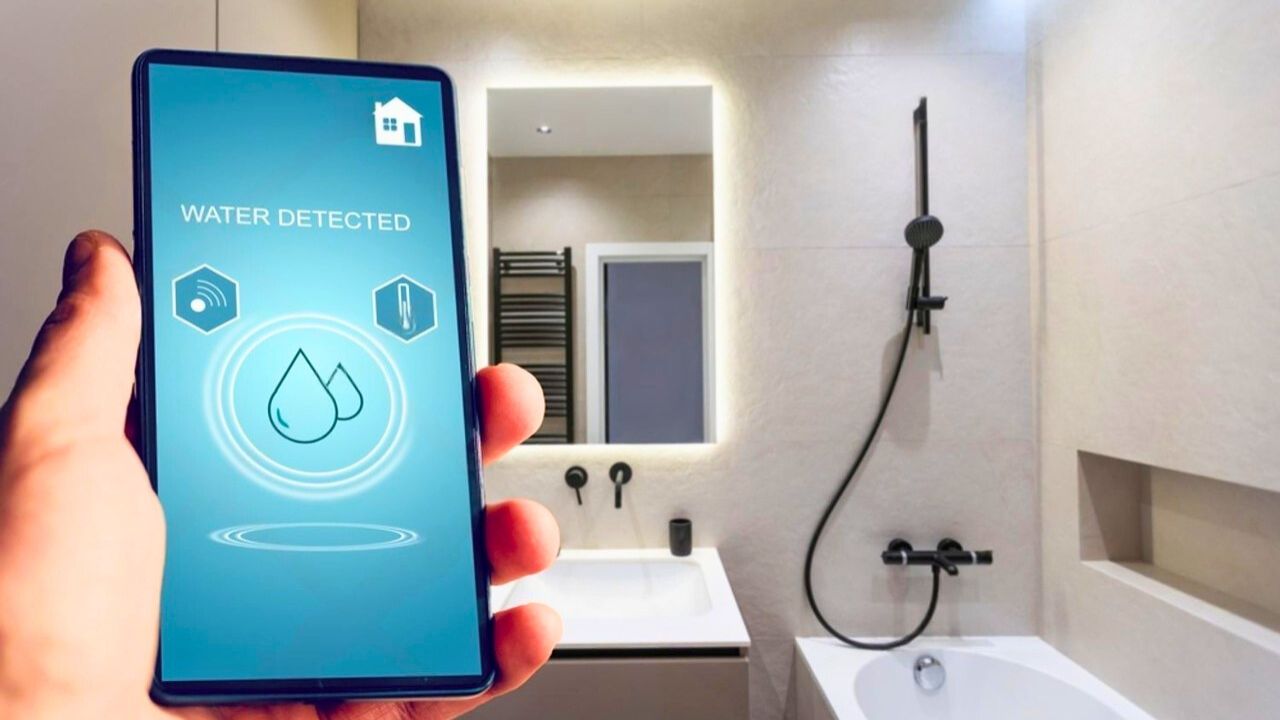
Why more homeowners are adding leak detectors (even without a smart home)
Water damage has quietly become one of the most expensive threats to a house, often rivaling fire in the size of the repair bill and the disruption to your life. That reality is pushing more homeowners to add simple leak detectors, even if they have no interest in building a fully connected smart home. You are not buying a gadget for gadget’s sake, you are buying time, and in a leak, a few minutes of warning can be the difference between a towel and a full rebuild.
Instead of rewiring your house or learning a new app ecosystem, you can now drop small, inexpensive sensors in the places where trouble usually starts and let them listen for the first sign of Water where it does not belong. The shift is less about chasing the latest tech trend and more about treating hidden drips, burst hoses, and failed valves as predictable risks you can manage with a little foresight.
Why water damage is driving a quiet sensor boom
When you look at what actually forces people out of their homes, water is near the top of the list, because a single failed supply line or pinhole in a pipe can soak drywall, flooring, and insulation before you even notice. Plumbing specialists warn that an unexpected burst pipe can unleash hundreds of gallons in a short window, and that even a slow leak can quietly rot framing and subfloors long before stains appear on the ceiling, which is why they urge you to invest in Smart Leak Detectors for Your Plumbing System as a first line of defense. Once water has spread, you are no longer just paying a plumber, you are paying for demolition, drying equipment, reconstruction, and sometimes temporary housing.
Insurance and restoration data underline the same pattern, noting that a small drip can turn into a big bill and that a steady leak behind a wall can escalate until the only realistic fix is a rebuild of the affected area. A recent Water Leak Detector Buyer Guide for Home Leak Detection Systems points out that, according to the Insurance Information Institute, water damage claims are both frequent and costly, and that even a seemingly minor incident can trigger structural repairs that rival the price of a kitchen renovation. Against that backdrop, a handful of small sensors start to look less like optional tech and more like basic risk management.
From catastrophic floods to slow, invisible leaks
Most people picture a dramatic flood when they think about water damage, but the more common scenario is a slow, undetected leak that quietly undermines your house and your health. Plumbing experts emphasize that Undetected moisture can warp wood, rust metal, and saturate insulation, and they note that investing in a water leak detector is not only a way to avoid emergency plumbing bills but also a way to sidestep the far higher costs of mold removal and restoration services, as outlined in guidance on the importance of water leak detectors. By the time you smell mustiness or see discoloration, spores may already be embedded in porous materials throughout the room.
Indoor air quality specialists warn that leaks in homes and buildings can lead to significant problems with toxic mold, especially in concealed areas of a home where you rarely look. They describe how water leak detection systems utilize Sensor technology to identify moisture in hidden cavities, which can prevent the kind of long term dampness that allows colonies to flourish, as detailed in reporting on How Leak Detection Can Prevent Toxic Mold Growth in Your Home Environment. When you catch a drip under a sink or behind a washing machine within minutes instead of months, you are not just saving flooring, you are protecting your lungs.
Why you do not need a full smart home to get protection
The old assumption that leak detection requires a central hub, a complex app, and a shelf full of other smart devices is increasingly outdated. Some manufacturers now offer compact units that work entirely on their own, with no base station and no subscription, so you can place them where you need coverage and let them sound a loud alarm if they sense trouble, a simplicity highlighted in descriptions of how There is no need for a hub or base station for certain water leak detector models. For many homeowners, that is the sweet spot, because you get meaningful protection without committing to a whole-house automation platform.
Even within the smart home world, you can choose devices that behave like standalones and only connect when you want them to. Flood safety guides point out that Some sensors, like Roost Smart Water Leak and Freeze Detector, operate in a standalone mode and can send alerts without relying on a central hub, which keeps the upfront investment low and the setup straightforward, as explained in advice on using Some sensors, like Roost Smart Water Leak and Freeze Detector to set up a flood safe home. That flexibility is what makes leak detectors appealing even to people who still prefer traditional light switches and analog thermostats.
The low tech devices doing high impact work
At the most basic end of the spectrum, you can buy simple, battery powered alarms that sit on the floor and scream when they get wet, no Wi Fi or app required. One example is a reusable water leak alarm that uses a loud buzzer to alert you as soon as its contacts touch water, and that can be placed near water heaters, under sinks, or next to washing machines, as described in product details for a reusable water leak alarm designed for home use. You treat it like a smoke detector for puddles, checking the battery occasionally and letting it sit quietly the rest of the time.
Budget minded homeowners are also discovering that you can cover a surprising number of risk points for less than the cost of a single service call. Consumer guides note that water leak alarms rarely have replaceable batteries, but that the low cost, with plenty of options well under 20 dollars, makes it easy to place them in multiple locations, and they point out that these devices keep you aware of issues like product spills and leaks that might otherwise go unnoticed, as outlined in advice on whether you should have a water leak sensor in your home. For many households, that kind of simple, audible alert is enough to catch a problem while it is still a mop up job.
How smarter sensors catch problems earlier
If you are willing to add connectivity, smart leak detectors can extend that protection beyond earshot and into your phone, which matters if a pipe fails while you are at work or on vacation. Technology analysts stress that Understanding the risks of undetected water leaks is crucial for appreciating why early detection is essential, noting that structural damage, ruined possessions, and even electrical hazards can follow when leaks go unnoticed, and they argue that smart water leak detectors are now a must have in modern homes because they send instant alerts and can even trigger shutoff valves, as detailed in a guide that begins with Apr Understanding Struc as part of its discussion. When your phone buzzes the moment a sensor sees water, you can call a neighbor, shut off the main, or contact a plumber before the damage spreads.
Smart systems also excel at covering the spots you are least likely to check, like behind appliances or in cramped mechanical rooms. Home protection specialists explain that Why Every Home Needs a Water Leak Detection System is tied to the way these devices can Prevent Costly Damage Before It Happens, especially when you place them under sinks and toilets where pipes and fittings are prone to slow drips, and they note that some setups can even shut off the Water instantly to minimize potential damage, as described in guidance on Why Every Home Needs a Water Leak Detection System. That kind of automation is particularly valuable in second homes or rental properties where you are not on site every day.
Health, comfort, and the hidden costs of dampness
Beyond the obvious repair bills, chronic moisture quietly erodes your comfort and health, especially if anyone in your household has asthma or allergies. Building diagnostics experts list Early Detection and Prevention of Water Da as the first advantage of using a leak detection device, but they also highlight that damp materials can harbor mold spores that exacerbate respiratory conditions, and that catching leaks quickly helps keep humidity and biological growth in check, as laid out in a discussion of the Aug Advantages Of Using a Leak Detection Device To Detect Leaks In Your Home. When you stop a leak at the source, you are also stopping the musty odors, peeling paint, and warped trim that make a room feel perpetually damp.
Medical and environmental advocates add that Leaks in concealed spaces can create pockets of stagnant air where spores and bacteria thrive, which is why they recommend pairing ventilation improvements with targeted leak detection. Their research on How Leak Detection Can Prevent Toxic Mold Growth in Your Home Environment notes that water leak detection systems utilize Sensor based monitoring to find moisture in concealed areas of a home, which allows you to dry and disinfect those spaces before colonies spread, as detailed in the same How Leak Detection Can Prevent Toxic Mold Growth guidance. For families with vulnerable members, that kind of early warning can be as important as the financial savings.
Insurance incentives that quietly pay you back
Insurers have started to notice that homes with leak detection file fewer and smaller water claims, and they are increasingly willing to share the savings with you. One Florida based carrier, for example, offers FREE Smart Home Water Protection that includes a 40% Water Premium Discount, describing how a 40% discount, approximately $400, can apply to a portion of your homeowner’s premium when you install approved devices and share alerts with their claims specialists if necessary, as outlined in the Water Premium Discount details. That kind of recurring reduction can effectively pay for a full set of sensors in the first year.
National carriers are moving in the same direction, often bundling leak detectors into broader smart home programs. One major insurer describes What its Connected Home program offers, explaining that it is a discount program that rewards you for using smart home devices and that you can Just connect at least two water leak detectors and add more devices from there to qualify for savings, as laid out in its Connected Home overview. Independent agents echo that trend, noting in their Frequently Asked Questions that Yes, many insurance companies now provide premium credits when you install a smart water Sensor, as described in guidance on how Frequently Asked Questions address smart water sensors and discounts.
Where current devices still fall short
For all the progress, leak detection is not perfect, and understanding the gaps helps you deploy sensors more intelligently. Researchers who studied how water spreads in real homes concluded that Water leak solutions must be affordable, easy to install, and capable of covering large surface areas, and they found that many current products only monitor a few square centimeters around each probe, leaving big blind spots near common leak sources, as detailed in an Oct analysis of why current leak detection sensors do not suit the home. Their Sensor based research mapped how water can travel along baseboards and under flooring, bypassing point sensors entirely.
Insurance specialists also caution that technology is only as good as its placement and maintenance. They explain that How Water Sensors and Leak Detection Technology Affect Homeowners Insurance depends on whether you actually cover the highest risk areas and keep batteries fresh, and they outline Homeowner Benefits of Water Detection such as faster claim resolution and fewer disputes when you can document exactly when a leak started, as described in their How Water Sensors and Leak Detection Technology Affect Homeowners Insurance briefing. The message is clear: detectors are powerful tools, but they still require you to think strategically about coverage.
How to choose and place detectors that fit your life
Once you decide to add leak detection, the challenge is choosing devices that match your comfort level with technology and your home’s layout. Buyer guides suggest starting with a simple Water Leak Detector and then deciding whether you want a full Guide for Home Leak Detection Systems that includes automatic shutoff valves and app integration, emphasizing that a small drip can turn into a big bill and that even a basic unit can dramatically reduce your risk, as outlined in the Nov Water Leak Detector Buyer Guide for Home Leak Detection Systems. They recommend prioritizing areas like water heaters, washing machines, dishwashers, and bathrooms, where failures are both common and costly.
To avoid getting lost in a sea of product listings, it helps to lean on tools that organize and compare options behind the scenes. Shopping platforms now use a vast Product graph that pulls information from brands, stores, and other content providers to surface relevant models, prices, and reviews when you search for leak detectors, as explained in a technical overview of how Product information is aggregated for online shopping. Home technology advisors also note that Smart water sensors can reduce the likelihood of catastrophic damage and save homeowners thousands by catching leaks early, and they illustrate this with scenarios where you Imagine waking up to find water all over your kitchen floor versus getting an alert the moment a Sensor detects moisture, as described in a guide on How Smart Water Sensors Can Save Homeowners Thousands. The right setup is the one you will actually install and occasionally test, not necessarily the most sophisticated system on the market.
Why the trend is likely to accelerate
As more insurers, plumbers, and homeowners share their experiences, leak detectors are shifting from niche gadgets to standard equipment, much like smoke alarms did a generation ago. Smart home programs now bundle water protection alongside thermostats and security cameras, with some carriers promoting FREE Smart Home Water Protection packages that include both devices and monitoring incentives, as outlined in Smart Home Water Protection materials aimed at reducing water related claims. At the same time, connected home discount programs reward you for adding at least two leak detectors, reinforcing the idea that water monitoring is a core part of home safety rather than an optional upgrade.
On the technology side, manufacturers are already working to address the shortcomings identified by Oct Sensor research, experimenting with thin, tape like detectors that can cover long runs of pipe or baseboard instead of just a single point. Insurance experts predict that as data accumulates showing fewer and smaller claims in homes with leak detection, more companies will follow the lead of programs that say Smart water sensors can reduce losses and that Homeowner Benefits of Water Detection include lower premiums and faster claims, as described in both smart water sensor FAQs and insurance technology briefings. For you, that means the quiet decision to tuck a few detectors under sinks and behind appliances today is likely to look less like an experiment and more like common sense with every passing year.