Why more homes are showing wear after years of delayed upkeep
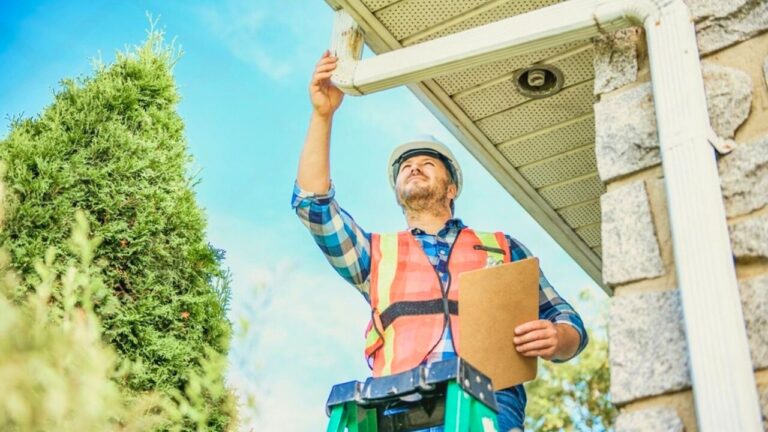
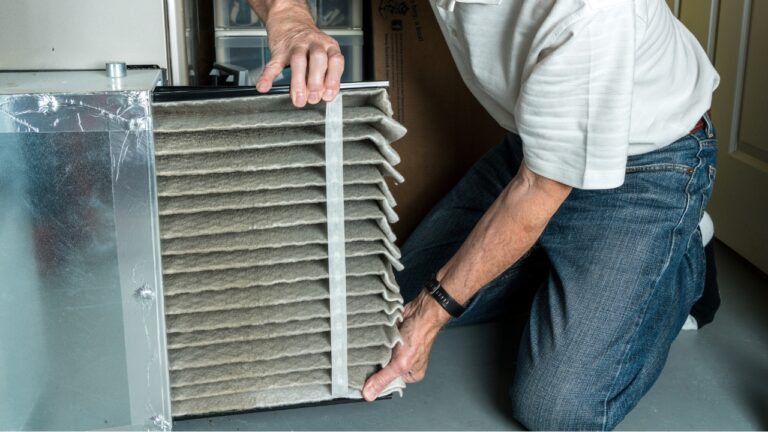
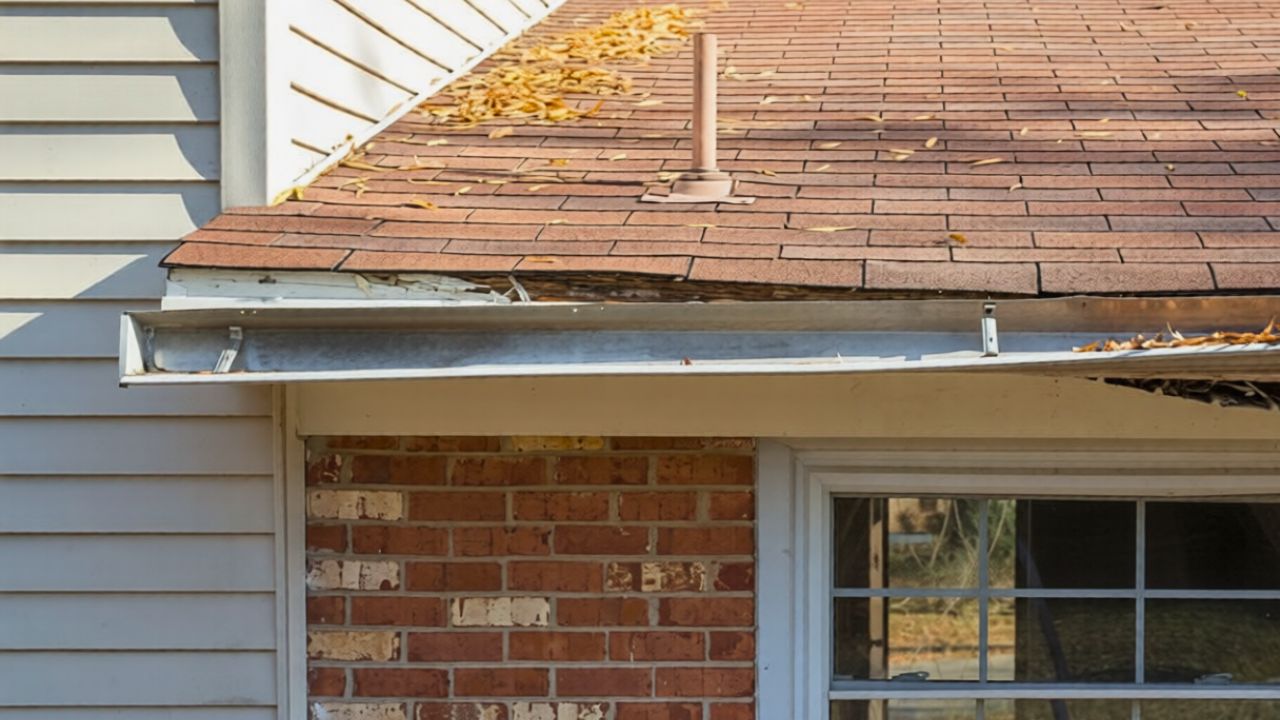
After years of tight budgets and competing priorities, you are far from alone if your home is starting to show its age. Across the country, more owners are living with peeling paint, aging roofs, and outdated systems because routine upkeep kept getting pushed to the bottom of the list. That quiet backlog is now surfacing in the form of visible wear, safety worries, and shrinking home equity.
Rather than a few isolated procrastinators, you are part of a broad pattern in which delayed maintenance has become the norm rather than the exception. As you weigh which problems to tackle and which to postpone yet again, you are also feeling the effects of inflation, a tight contractor market, and an aging housing stock that needs more care just as it becomes harder to afford.
The new normal of putting projects off
You live in a moment when deferring home projects has become almost expected behavior. A 2025 report found that 71% of homeowners have put off at least one home project this year, which means delay is now the rule rather than the exception. When nearly three out of four owners are in the same position, it is easy for you to tell yourself that waiting one more season will not matter.
Additional research points in the same direction and shows how widespread this behavior has become. One homeowner survey found that nearly 60% of homeowners surveyed are putting off home repairs due to cost, and that a significant share of respondents admit that a noticeable portion of their home needs maintenance. When you see that kind of majority hesitating, you are likely to normalize your own list of undone tasks and accept more visible wear as part of everyday life.
Why costs and inflation keep you on the sidelines
Rising prices have turned even basic upkeep into a financial puzzle, so you may feel trapped between protecting your home and protecting your budget. In one national snapshot, 43% of homeowners reported delaying home improvements and maintenance because of inflation, a figure highlighted in coverage of how Inflationary pressure squeezes household decisions. When nearly half of owners are making the same tradeoff, it is understandable that you hesitate before calling a roofer or electrician.
At the same time, the overall cost of owning a home has been climbing in ways you feel even if you never pick up a hammer. One report on delayed repairs noted that nearly 60% of homeowners surveyed are putting off home repairs due to cost and that home improvements and maintenance are expensive enough to reshape how you allocate savings, insurance, and emergency funds, as detailed in the methodology of that survey. When insurance premiums, taxes, and utilities all demand more of your paycheck, it becomes easier to rationalize skipping this year’s exterior paint or waiting one more year on that creaking furnace.
An aging housing stock that needs more care
Even if your own house feels timeless, the broader housing stock you live among is getting older and more fragile. According to the National Association of, the average age of the U.S. home is 40 years old, up from 31 years old 15 years earlier. When you own a house that has been standing for four decades, you inherit older plumbing, wiring, roofing, and foundations that all require more frequent and more expensive attention.
Industry research on remodeling trends reinforces how that age profile shapes your choices. A major study on improving America’s housing notes that SUPPLY, SIDE, CHALLENGES, CONTINUE to constrain the remodeling industry, and that the typical general remodeling business employs fewer than four staff even as the number of tasks grows, according to SUPPLY SIDE CHALLENGES. When you combine an aging housing stock with a small and stretched contractor base, you end up waiting longer and paying more for basic work, which makes it that much easier to let small problems linger until they become visible wear.
How contractor shortages and weak remodeling demand slow you down
Even if you have the cash and the will to act, you still have to find someone to do the work. The same research that tracks SUPPLY, SIDE, CHALLENGES, CONTINUE in the remodeling sector shows that the typical general remodeling business is lean, with fewer than four staff handling estimates, permits, and labor for a growing pool of aging homes, according to the remodeling report. That means you may call three companies and get only one callback, or discover that the earliest available slot for your project is months away.
Forecasts of renovation and repair spending also suggest that enthusiasm for big projects is cooling. One analysis of the Leading Indicator of Remodeling Activity, often shortened to LIRA, projects that year over year spending on home renovation and repair will rise by 2.4% in early 2026 before easing to 1.9% in the second half of the year. When growth in this sector slows, contractors may focus on the most profitable or straightforward jobs, leaving your medium sized or unglamorous repair waiting in line while your siding fades and your windows leak.
Deferred maintenance and what it really means for your house
In real estate, the backlog you see around you has a specific name that captures both the choice and the consequence. Jan guidance on property upkeep defines Deferred maintenance in real estate as the byproduct of the deliberate postponement of necessary upkeep and repair work on a property. When you decide to live with a small leak, a cracked step, or an aging water heater for one more year, you are not just saving money in the short term, you are creating a record that buyers, inspectors, and insurers will eventually read.
Over time, that accumulation of deferred maintenance issues changes how others see your home and how safe it feels to live in. One analysis of property values explains that Deferred maintenance can reduce a home’s perceived and actual value and that Buyers often assume small visible issues signal larger hidden problems. When you eventually list your house, every peeling window sill and stained ceiling tile becomes a negotiation point, and you may find yourself cutting the price far more than it would have cost to fix the issues gradually.
How delay quietly erodes your equity
Every time you postpone a repair, you are not only risking a bigger bill, you are also putting your equity on the line. One detailed discussion of delayed upkeep notes that Dec analysis shows how value slips away when repairs are delayed because life gets busy, budgets get tight, or the issue does not feel urgent enough yet, and that delayed repairs rarely stay contained, according to coverage of how delayed repairs. When a small roof leak becomes structural rot or a minor plumbing drip ruins a subfloor, you convert what could have been a manageable maintenance expense into a capital level repair that eats into your net worth.
The way buyers react to visible wear compounds that financial hit. Guidance for sellers explains that when you let issues stack up, your property can sit longer on the market and invite deeper price cuts, since Buyers often assume that what they see is only a fraction of what they will uncover after closing. That perception forces you to either invest heavily right before listing, when you have the least time and leverage, or accept that years of delay have quietly chipped away at the equity you thought you had built.
Safety, comfort, and the hidden human cost
When you walk past a flickering light or a sagging stair, you are also living with safety risks that can escalate without warning. One overview of repair hesitation explains that Repair hesitation often stems from being concerned about cost, yet the same guidance points out that holding out on home improvement can expose you to hazards that are far more expensive than the original fix. When you put off addressing faulty wiring, loose railings, or aging smoke detectors, you are trading short term savings for long term risk to your family’s safety.
Some of that risk is subtle and tied to the basic lifespan of the structure you live in. Advice for manufactured housing notes that Homes, much like anything else, have lifespans and signs of wear that should not be ignored, and that Whether it is the result of aging materials or years of heavy use, you eventually reach a point where patching is no longer enough to live in safety and comfort. If you constantly postpone repairs in an older structure, you may find that the only realistic option left is a full replacement or a major renovation that dwarfs what a steady maintenance plan would have cost.
Why your to-do list keeps growing faster than you can tackle it
Even when you understand the risks, your daily reality can still push maintenance to the margins. One analysis titled Why Repairs Get points out that for most households, the main barriers are cost and time, and that home projects can be expensive and disruptive for families juggling work, childcare, and other responsibilities. When you only have a few free hours each week, it is easy to prioritize immediate needs over crawling into an attic or learning how to service a water heater.
Another tension pulls you between big dreams and basic upkeep. One industry report notes that 93% of homeowners plan improvements in 2025 and that In Angi‘s report, pros shared that homeowners were excited to tackle upgrades like interior painting using simpler palettes and more natural shades. When you spend limited funds on cosmetic upgrades that feel rewarding in the short term, you may leave less room in your budget and schedule for the unglamorous tasks that keep your home structurally sound.
How to reset your priorities before the wear gets worse
If you want to stop the cycle of delay, you need a clear way to sort what can wait from what cannot. One practical framework describes Key Findings that 71% of homeowners are postponing at least one home project in 2025 and that 60% of homeowners are actively putting off necessary maintenance, with 60% citing financial concerns as the primary reason. By acknowledging that you share those constraints, you can start by ranking tasks according to safety, potential for further damage, and impact on your daily life instead of simply reacting to whatever feels most annoying.
Several checklists and preparedness guides can help you translate that ranking into action. A homeowner preparedness report from a major insurer, linked through Homeowners resources, encourages you to set aside a specific percentage of your home’s value each year for maintenance and to use seasonal checklists to stay ahead of problems. Another widely used maintenance checklist, accessible via Homeowners tools, breaks your tasks into monthly, seasonal, and annual routines so you can chip away at the list instead of waiting for a crisis. When you combine those structured plans with an honest look at your budget, you give yourself a realistic path to reverse years of delay before the visible wear on your home becomes permanent damage.
Like Fix It Homestead’s content? Be sure to follow us.
Here’s more from us:
- I made Joanna Gaines’s Friendsgiving casserole and here is what I would keep
- Pump Shotguns That Jam the Moment You Actually Need Them
- The First 5 Things Guests Notice About Your Living Room at Christmas
- What Caliber Works Best for Groundhogs, Armadillos, and Other Digging Pests?
- Rifles worth keeping by the back door on any rural property
*This article was developed with AI-powered tools and has been carefully reviewed by our editors.