Why older homes are costing more to keep livable
Across the country, owners of aging houses are discovering that the real price of charm shows up in monthly bills and surprise repair quotes. The gap between what it costs to keep an older home comfortable and what it takes to run a newer one is widening, as materials wear out, building standards evolve and energy prices expose every draft and outdated system.
I see that tension in almost every conversation about housing: people are drawn to character, mature neighborhoods and solid construction, then blindsided when the roof, wiring and insurance all demand modern budgets. The result is a quiet affordability squeeze, where keeping an older place livable can cost far more than buyers expected when they first fell for the front porch.
The aging bones problem: why maintenance piles up
The first reason older homes are getting more expensive to keep up is simple physics. Wood dries and shifts, foundations settle, pipes corrode and electrical components reach the end of their safe life. As those original materials age together, the odds of multiple systems needing attention at once go up, which is why so many experts note that older homes tend to have higher maintenance costs than comparable new construction. It is not that every old house is a money pit, but that time eventually catches up with even the best craftsmanship.
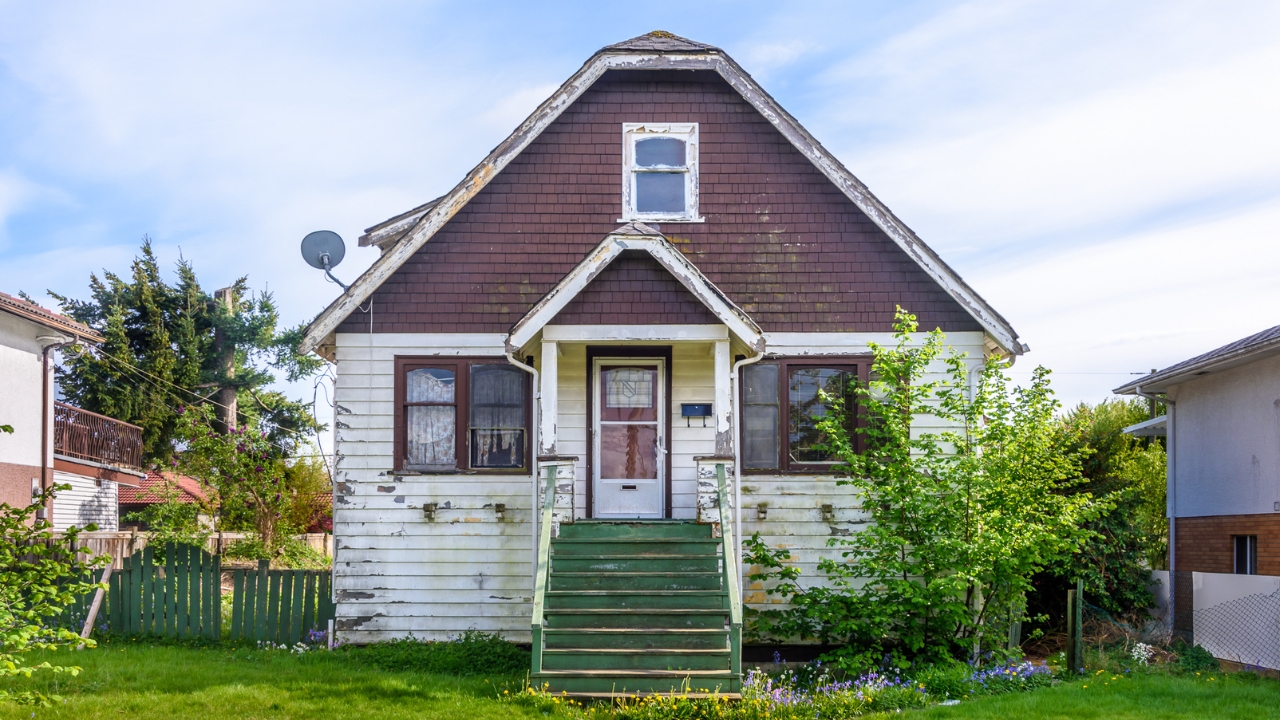
Those aging bones show up in the big-ticket items that define whether a home feels safe and functional. Plumbing, electrical service and heating systems in an Old House are more likely to be original or decades old, which is why the Cons of Buying one often start with Higher Maintenance Costs. Replacing a roof or a failing water heater is not optional, and when those jobs stack up alongside foundation repairs or window replacements, the annual cost of simply staying ahead of deterioration can rival a second mortgage payment.
Hidden systems, visible bills
What makes older homes particularly tricky is that the most expensive problems are often invisible until they fail. Wiring buried behind plaster, cast iron drain lines under the slab and aging boilers in cramped basements can all look fine from the outside, then demand urgent attention with little warning. That is why some lenders and housing advisers urge buyers to factor in that Older homes typically require more ongoing spending than a new build, even if the purchase price looked like a bargain.
Real-world repair quotes from owners of century properties show how quickly those hidden systems can turn into five-figure projects. In one Feb discussion among people trying to keep 100-year-old houses intact, a single slate roof was pegged at $120 thousand, new siding at $40 thousand and a chimney rebuild at $50 thousand. When one owner summed up the list by telling another, You know it is bad when insulation alone is quoted at $25,000, it captured how quickly “deferred maintenance” can become financially overwhelming.
Energy efficiency and utilities: the slow leak in the budget
Even when nothing is actively breaking, older homes often cost more to operate day to day because they leak energy. Thin or missing insulation, single-pane windows and drafty doors all force furnaces and air conditioners to work harder, and outdated appliances add to the load. One guide to the true price of owning an older property flags Outdated Energy Efficiency as a core hidden cost, noting that the charm of original features can come with higher monthly utility bills that never really go away unless the building envelope is upgraded.
Owners of century homes echo that experience when they talk about their power and heating bills. In a Comments Section focused on what surprises new buyers, one poster named Utilities as a recurring burden, pointing out that costs are typically higher compared with newer construction that was designed with modern energy codes in mind. When you combine that structural disadvantage with rising energy prices, the monthly gap between an older and a newer home can easily reach hundreds of dollars, turning what looked like a cheaper house into a more expensive place to live over time.
Insurance and regulation: paying for history
The cost of keeping an older home livable is not just about what you fix, it is also about how insurers and regulators view the risk. Carriers know that century properties often have original wiring, plaster walls and custom millwork that are more expensive to repair after a fire or storm. That is why some companies warn that insuring a 100-year-old structure can be more complex, with specialized coverage needed for older and historic properties that reflects the higher cost of restoring them instead of simply replacing them with modern materials.
Building codes add another layer of expense when owners try to update older spaces. A simple kitchen remodel can trigger requirements for upgraded electrical service, new smoke detectors or safer stair railings that were not part of the original design. Guidance for buyers weighing an Older property notes that many of these houses were built under fewer safety regulations, which means bringing them up to current standards can be both disruptive and expensive. The result is that every “simple” project carries a risk of snowballing into a code-driven overhaul.
Design, lifestyle and the cost of retrofitting
Beyond the structural and regulatory issues, the way older homes are laid out can make them more expensive to adapt to modern life. Narrow hallways, small kitchens and compartmentalized rooms reflect the way families lived decades ago, not the open-plan preferences that dominate today’s market. Builders who work with new buyers emphasize that Selection and Availability of New Homes now routinely include open floor plans, large primary suites and flexible spaces that fit current day-to-day life, while many Older Homes require costly structural work to achieve the same feel.
That mismatch between existing layout and modern expectations is one reason renovations in older houses can be so disruptive. Removing a wall in a 1920s bungalow might reveal structural beams, knob-and-tube wiring or uninsulated cavities that all need attention before the space can be safely opened up. By contrast, advocates for new construction point out that Newer homes are designed from the start with features that reduce maintenance expenses, avoid outdated infrastructure and help prevent the higher utility costs that older layouts and systems tend to lock in.
The trade-off: character, charm and long-term costs
For all of these challenges, people still flock to older houses for reasons that are hard to quantify on a spreadsheet. The draw of a front porch, original woodwork and tree-lined streets is real, and many buyers say the emotional payoff is worth the extra work. One guide to heritage properties even lists as a key Pro the fact that an Old House often offers Unique and Rich Architecture, noting that Perhaps the biggest reason people love them is that they do not look like every other house on the block.
The financial reality, though, is that this character comes with a premium that shows up over years rather than at closing. Mortgage tools that compare existing properties with new builds highlight how Use of a calculator can reveal the true long-term cost of ownership, including maintenance, utilities and insurance. When I weigh those numbers against the emotional pull of a historic staircase or stained-glass window, I see why some buyers still choose the older place with eyes open, while others decide that a new build’s predictability is worth more than any amount of patina.
How buyers can prepare for the real cost of “livable”
For anyone considering an older home, the key is to treat livability as a moving target rather than a fixed condition at the time of purchase. A thorough inspection, realistic reserve fund and clear plan for upgrades can turn what might have been a financial shock into a manageable long-term project. Guides that compare Decisions between old and new emphasize that Here is where buyers need to be brutally honest about their appetite for projects, especially when Maintenance expenses, outdated infrastructure and higher utility costs are already baked into the property.
In practice, that means budgeting not just for the mortgage but for the slate roof that will eventually need replacing, the insulation that will cut drafts and the electrical work that will satisfy modern code. It also means recognizing that some costs, like specialized insurance for historic features or the premium for skilled trades who can work with old materials, are structural rather than optional. Older homes will always have a devoted following, and for many owners the rewards outweigh the bills, but the trend is clear: keeping them truly livable is becoming a more expensive commitment with every passing year.