Why older homes fail during heat waves
When temperatures spike, the homes that have already stood for generations are often the first to buckle. You feel it in rooms that never cool down at night, in air conditioners that run nonstop without relief, and in walls that seem to radiate heat back at you. The charm that drew you to an older house can quickly turn into a liability when a heat wave settles in.
The reasons are structural, mechanical, and social all at once, from thin insulation and aging equipment to residents whose bodies are less able to cope with extreme heat. Understanding why older homes fail in these conditions is the first step toward making yours safer, more comfortable, and more resilient as summers keep getting hotter.
Heat waves are outpacing what your home was built for
You may assume that if a house has survived decades of summers, it can handle whatever comes next. The problem is that the climate your home was designed for is not the climate you live in now. In the context of global warming, researchers note that residential buildings are increasingly central to protecting people from outdoor extremes, especially during severe heat waves that push temperatures beyond historic norms your walls and windows were ever meant to handle, as highlighted in one In the analysis.
That mismatch shows up in the way older housing stock was engineered. A study of overheating and urban environments points out that as outdoor temperatures rise, indoor conditions in vulnerable buildings can trigger greater cardiovascular strain, with overheating compounding the health impacts of urban heat islands and aging infrastructure, according to a review of indoor overheating. Your home is no longer just a passive shelter from the weather outside; in a prolonged heat wave, it becomes an active part of the risk equation.
Old walls and windows soak up heat and refuse to let go
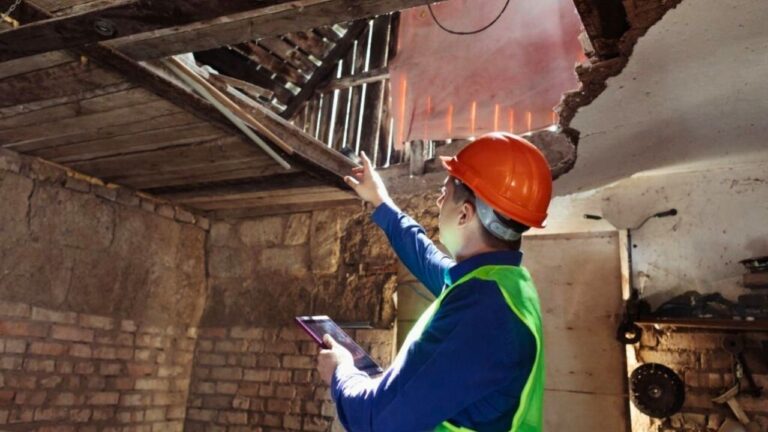
Even if your thermostat reads a reasonable number, the surfaces around you can tell a different story. In one field measurement, single glazed steel windows in an older building registered 122 degrees Fahrenheit, or 50 degrees Celsius, while uninsulated concrete block walls were not much cooler. In an under insulated home, those hot surfaces radiate energy back into your rooms long after the sun has set, so the air around you can feel far too warm for comfort even when the thermostat suggests otherwise.
That stored heat is why older houses often stay stifling well into the night. Reporting from Hamilton, Ontario, described how many old homes and apartment buildings acted as heat traps, retaining warmth and failing to cool down until well into the night as heat waves dragged on, leaving residents with little relief from one day to the next in those Jul conditions. When your walls and windows behave like a thermal battery, every additional hot day charges them further, and your home becomes progressively harder to cool.
Outdated building standards leave you exposed
Even if your house has been lovingly maintained, it was still built to the expectations of its era. In the United Kingdom, one building expert summed up the problem bluntly, noting that for decades, designers worked to the minimum standard almost universally and did not design to good practice, a mindset that left housing stock poorly prepared for today’s extremes, as a Key quote makes clear. If your home dates from a similar period, it likely shares the same DNA: thin insulation, leaky windows, and little thought given to solar gain or cross ventilation.
Those design choices were not mistakes at the time, they were responses to a different climate and cheaper energy. Today, they translate into higher energy use and more discomfort. Research on inadequate insulation has shown that when building envelopes are poorly protected, more energy is consumed just to maintain basic comfort, with experts like Cemil Atakara emphasizing how building form and orientation interact with insulation levels. In a heat wave, that same underperformance means your home lets heat in easily and then forces your cooling system to work far harder than it should.
Your cooling and heating systems are aging into failure
Mechanical systems in older homes are often as dated as the walls around them. In Burke County, technicians looking at the top causes of heater failure in older homes have pointed to aging infrastructure that struggles during peak usage periods, with older equipment and distribution systems more prone to breakdowns when demand is highest, as detailed in a review of Top Causes of. The same vulnerabilities show up in summer, when compressors, fans, and ductwork that were never sized for extreme heat are pushed to their limits.
Across the country, those limits are already being tested. A recent survey found that 42% of homeowners experienced HVAC issues during past heat waves, a figure that hints at how widespread the problem has become. Technicians interviewed during recent hot spells have explained that in many cases, the challenge lies in the structure of your home itself, with systems simply unable to offset the intense heat load in homes not designed for today’s record highs, as one Your focused analysis put it. When your ducts leak, your attic bakes, and your equipment is decades old, even a well maintained unit can feel like it is losing the battle.
Older AC units and bad habits waste energy when you need it most
Even if your air conditioner still runs, it may be doing so very inefficiently. Researchers have noted that older air conditioning systems can use two to three times as much energy as newer units to deliver the same amount of cooling, a gap that becomes painfully clear on your utility bill during a heat wave, as one Making overview of cooling performance explains. When your house is already hard to cool, pairing it with an inefficient system is like trying to bail out a leaking boat with a cracked bucket.
On top of that, the way you operate your system can unintentionally make things worse. An air conditioning technician interviewed during a recent heat wave explained that common habits, such as closing too many vents, neglecting filters, or failing to shade outdoor units, can prevent your home from getting as cool as you want it to be, as discussed in a Jun segment on keeping AC working properly. When you combine those operational missteps with an older, oversized, or poorly balanced system, your equipment ends up short cycling, your rooms stay uneven, and your home never truly recovers from the day’s heat.
Insulation fixes are essential, but older houses require nuance
Improving insulation is one of the most powerful ways to keep indoor temperatures stable, yet older homes make that job more complicated. Unlike today’s airtight construction, many older houses were built to breathe, with intentional gaps and looser assemblies that allowed moisture to escape, which is why they often suffer from poor temperature regulation and feel uncomfortable compared to newer houses, as Old home specialists point out. If you simply stuff modern insulation into every cavity, you can trap moisture, rot framing, and still fail to solve overheating if you ignore solar gain and air sealing.
Experts also warn that not every modern product is a good fit for historic structures. Insulation veteran Bob Wilson, described as an Insulation Veteran, has argued for over twenty years that old houses cannot be properly insulated with some spray foam approaches, cautioning that they can create hidden moisture problems and even act as funnels that channel water into vulnerable parts of your property. Guidance on preparing heat pumps for outages reinforces the same principle from another angle, noting that the better your home retains heat or cool, the less you need to rely on backup systems, and pointing homeowners to Insulation and Weatherization resources from Energy.gov. For an older home, that means pairing targeted insulation upgrades with careful moisture management and shading strategies rather than chasing a quick fix.
Vulnerable residents face the harshest consequences
When an older home overheats, the people inside do not all face the same level of risk. Among the groups most affected by extreme heat are older adults, whose bodies become less efficient at regulating temperature as they age, with changes in circulation, sweating, and underlying health conditions all adding up to impaired cooling, as one Among the medical overview explains. If you or a family member is older and living in a house that traps heat, the margin for error during a heat wave shrinks dramatically.
Global research has underscored this vulnerability. Climate researcher Giacomo Falchetta, working with an Italian research institute, has noted that while there is a general trend in improvement in life expectancy, extreme heat still poses outsized risks to older populations, especially where housing is not adapted. Another assessment points out that Northern regions are at risk too, with older homes in the Northeast often relying on less efficient cooling systems and experiencing Nighttime heat that stays high enough to leave residents disoriented and confused during waking hours, as detailed in a Northern focused report. If your home and your body both struggle to shed heat, a hot night can be as dangerous as a hot afternoon.
Extreme heat quietly damages the house itself
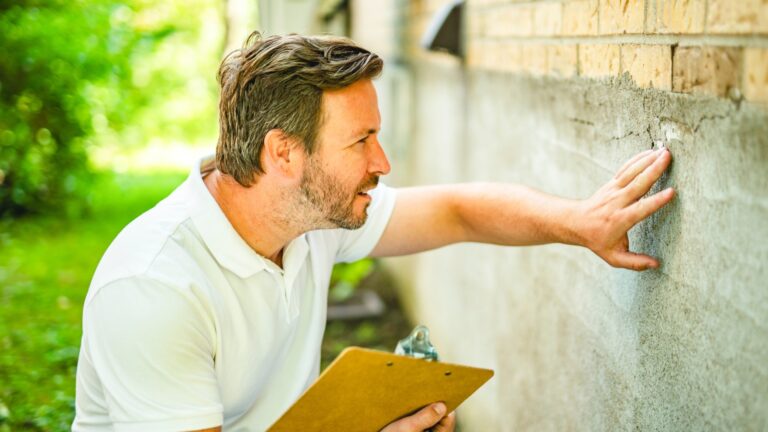
The toll of a heat wave is not limited to discomfort and health. Excessive heat can have severe effects on your home or business, warping materials, stressing joints, and accelerating wear in ways you may not notice until months later. One breakdown of the Six Areas of your Home or Business Impacted by High Temperatures notes that extreme heat can warp and crack wood, damage drywall, and cause roof shingles to deteriorate. In an older structure where materials are already fatigued, each heat wave can accelerate the march toward costly repairs.
Those physical impacts are starting to show up in real estate markets. Analysts looking at climate change and property in Ontario have warned that prolonged heat can have a physical impact on homes, particularly older properties not built to withstand extreme temperatures, leading to increased maintenance and repair costs for homeowners, as one Additionally assessment notes. Broader infrastructure research has reached similar conclusions, with one study finding that extreme heat can negatively affect built systems by increasing water and energy use and damaging roads and structures, as summarized in a Furthermore review. Your house is part of that network, and its age often determines how well it weathers the stress.
Policy, planning, and practical steps can tilt the odds in your favor
While the structural disadvantages of older homes are real, you are not powerless against the next heat wave. On the policy side, the U.S. Department of Housing has developed an Extreme Heat Resilience that offers guidance on improving housing resilience, especially in low income areas where older buildings and limited resources intersect. At the neighborhood scale, research into biophilic street design suggests that adding trees, shade structures, and reflective surfaces can cool entire blocks, reducing the heat load on your home before it even reaches the walls.
Inside your own four walls, the most effective strategy is usually a layered one. That can include balancing radiators and addressing sludge in hydronic systems, issues flagged in guides that explain why Your house might be so cold in winter but also inefficient in summer, as well as upgrading to more efficient HVAC equipment sized for your actual heat load. Practical advice from contractors and building scientists, including those featured in a Dec discussion of how different construction eras affect performance, can help you understand what decade your home behaves like and which upgrades will deliver the biggest gains. If you treat your older home as a system rather than a collection of parts, you can chip away at its vulnerabilities long before the next heat wave arrives.
Like Fix It Homestead’s content? Be sure to follow us.
Here’s more from us:
- I made Joanna Gaines’s Friendsgiving casserole and here is what I would keep
- Pump Shotguns That Jam the Moment You Actually Need Them
- The First 5 Things Guests Notice About Your Living Room at Christmas
- What Caliber Works Best for Groundhogs, Armadillos, and Other Digging Pests?
- Rifles worth keeping by the back door on any rural property
*This article was developed with AI-powered tools and has been carefully reviewed by our editors.