Why older homes fail under heavy use
Older houses often feel solid, even overbuilt, right up until you start using them the way people live today. Daily loads from bigger appliances, nonstop HVAC, and heavier occupancy expose weaknesses that were either minor at move‑in or completely hidden behind walls and foundations. When you understand why older homes struggle under that kind of pressure, you can prioritize upgrades before small flaws turn into structural failures or health hazards.
The core problem is not that older construction is inherently bad. It is that the original design assumed very different demands on electrical systems, plumbing, and the building shell. Once you layer in modern power use, higher moisture loads, and decades of wear, the same charming features that attracted you can become the very reasons the house starts to fail.
Foundations and framing that were never meant for today’s loads
Heavy, continuous use exposes the limits of foundations and framing that have already been stressed by time. Inspectors who focus on Why Older Homes Are More Susceptible to Foundation Problems point to long‑term soil movement, historic drainage patterns, and outdated footing designs that leave older basements more vulnerable to cracking and settlement. When you add heavier finishes, stone countertops, water‑saturated soil from irrigation, and constant HVAC vibration, those marginal foundations can shift faster, telegraphing stress as sticking doors, sloping floors, and stair‑step cracks in masonry.
Structural specialists who catalog Common Structural Issues In Old Houses consistently flag sagging beams, undersized joists, and decayed sill plates as weak points that only show themselves under sustained load. One inspection guide on Common Issues to Look For in Older Houses notes that Foundation and Structural Issues often trace back to designs that never anticipated finished basements, water‑heavy laundry rooms, or large aquariums sitting over aging spans. Once you start using every room daily instead of keeping parts of the house lightly occupied, the cumulative weight and vibration can accelerate movement in framing that has already been weakened by moisture or pests.
Electrical systems pushed past their design limits
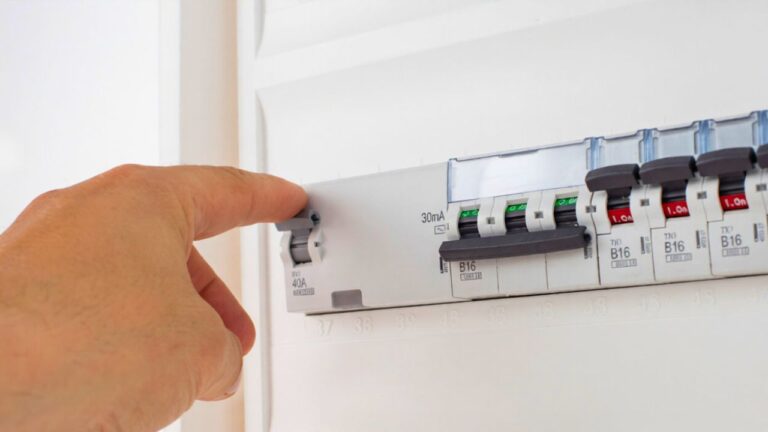
Modern living loads older wiring in ways its original installers could not have imagined. Inspectors who document Electrical System Woes in older properties point out that Many houses were wired before central air conditioning, induction ranges, or banks of computers and chargers were common. A separate review of Hidden Problems Found in Older Homes highlights Outdated Electrical Systems that lack grounding, rely on brittle insulation, or still use obsolete panels. When you plug in high‑draw appliances on circuits sized for a few lamps, the result is chronic overheating, nuisance tripping, and in the worst cases, fire risk inside walls that look perfectly intact from the outside.
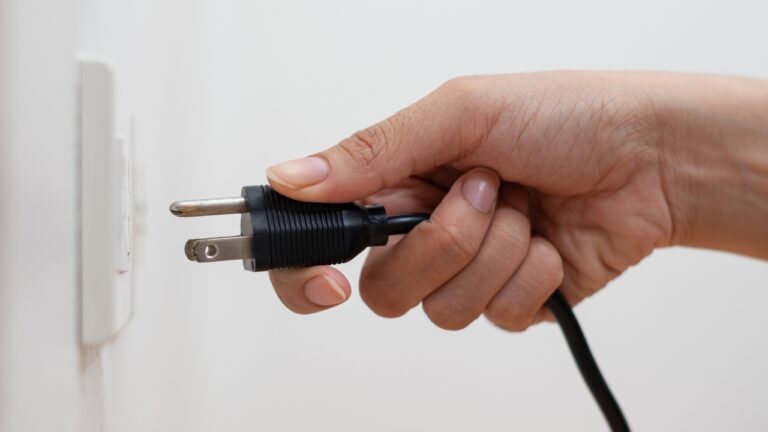
Commercial data on Overloaded Circuits and Power Surges Many shows the same pattern at a larger scale: systems that were never designed for current loads fail first at their weakest points, leading to overheating, tripped breakers, and equipment damage. In a house, that might look like a window air conditioner and microwave sharing a circuit that was originally sized for a single outlet, or a home office with multiple gaming PCs and monitors running off wiring that predates grounded receptacles. Inspectors who group Systems failures among the top reasons homes do not pass inspection routinely see undersized service panels, double‑tapped breakers, and improvised junctions that may have worked for decades but start to fail once you run high loads for hours every day.
Plumbing, drains, and sewer lines under constant strain
Water systems in older homes are especially vulnerable when you increase usage with more occupants, extra bathrooms, or frequent laundry. Renovation guides that focus on Plumbing Problems describe aging supply lines that corrode from the inside, leading to sudden bursts that can soak walls and floors. A technical overview of Over the decades of use explains how cast iron, clay, and early plastic components degrade, creating rough surfaces and misalignments that trap debris. When you start running dishwashers, high‑efficiency washers, and multiple showers in quick succession, those marginal pipes cannot clear fast enough, so minor obstructions become full blockages.
Waste lines face similar pressure. Reporting on aging sewer systems notes that Older pipes are more vulnerable to tree root intrusion, infiltration, and shifting soil, all of which narrow the effective diameter of the line. Under light use, the system may limp along, but once you add frequent toilet flushes, garbage disposals, and long showers, the volume of wastewater overwhelms the compromised pipe and pushes sewage back into the house. Inspectors who list Pests and moisture among the top inspection failures also point out that chronic leaks and backups attract insects and rodents, compounding the damage and making repairs more complex once you finally open up the walls or floors.
Moisture, ventilation, and hidden health risks
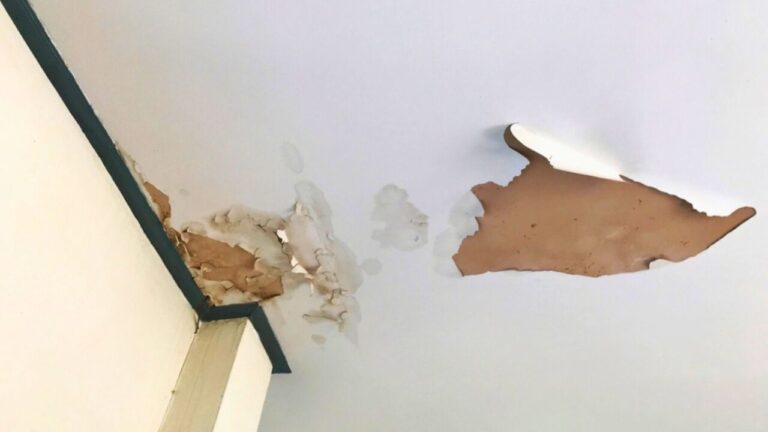
Heavy use does not just stress hard infrastructure, it also changes the moisture balance inside an older building shell. More showers, cooking, and laundry add humidity that older ventilation systems were never designed to handle. Renovation accounts that detail mold and mildew note that poorly vented bathrooms and basements can become saturated, especially in basements with poor ventilation or crawl spaces that were left unsealed. Over time, that trapped moisture feeds rot in floor joists and subfloors, so the structure softens just as you are asking it to carry more weight from modern finishes and furniture.
The health stakes are significant. A systematic review of housing and respiratory disease found that Families of low household income are more likely to live in homes with poor thermal performance and inadequate heating, which in turn increases dampness and mold. When you occupy every room in an older house and close off natural ventilation paths with new windows and insulation, you can unintentionally trap pollutants and moisture. Inspectors who discuss When they evaluate older properties emphasize that long‑sealed attics and wall cavities may hide decades of condensation damage. Once you start heating and cooling aggressively, those areas cycle through wider temperature swings, which can release spores and dust into living spaces through tiny gaps and penetrations.
Why inspections matter more as usage ramps up
Older homes often pass a casual walk‑through because their problems are either hidden or only appear under sustained stress. Professional inspectors who specialize in aging properties describe how initial conversations usually start with two basic questions about What the homeowner has noticed and When issues occur. Problems that only show up when multiple systems run at once, like lights dimming when the dryer starts or drains backing up during holiday gatherings, are classic signs that the house is failing under peak load rather than everyday light use. That pattern is why inspection checklists that rank Top reasons for failure group issues into Structural, Systems, and Pests and moisture, all of which tend to worsen as usage intensifies.
For you, the practical takeaway is that an older home needs to be evaluated not just for current condition, but for how it will perform once you live in it fully. That means asking inspectors to stress‑test electrical capacity, look closely at Why Older Homes Are More Susceptible to movement in key foundation areas, and trace plumbing runs for signs of Understood long‑term degradation. It also means budgeting for upgrades to panels, drains, and ventilation before you add high‑demand appliances or finish previously unused spaces. Older homes fail under heavy use not because they lack character, but because time, design limits, and modern expectations collide. The more you know about those fault lines, the better you can reinforce them before they crack.
Like Fix It Homestead’s content? Be sure to follow us.
Here’s more from us:
- I made Joanna Gaines’s Friendsgiving casserole and here is what I would keep
- Pump Shotguns That Jam the Moment You Actually Need Them
- The First 5 Things Guests Notice About Your Living Room at Christmas
- What Caliber Works Best for Groundhogs, Armadillos, and Other Digging Pests?
- Rifles worth keeping by the back door on any rural property
*This article was developed with AI-powered tools and has been carefully reviewed by our editors.