Why older homes react differently to modern upgrades
When you wire a smart thermostat into a 1920s bungalow or drop an induction range into a 1950s kitchen, you are not just adding gadgets, you are asking an older system to behave like a new one. The age of the structure, the way it was framed, and the materials hidden in the walls all shape how smoothly those upgrades perform. Understanding why older homes respond differently to modern improvements helps you plan projects that respect the building’s limits instead of fighting them.
From electrical panels sized for a single television to plaster walls that breathe in ways drywall never will, the quirks of an older house can either amplify or undermine your investment. If you know how those quirks developed, you can decide when to lean into the original character and when to reengineer the bones so your upgrades feel seamless rather than strained.
Character versus consistency: what you are really buying
When you compare an older house to a recent build, you are weighing individuality against predictability. Many buyers say they want something “after 1980,” assuming that a newer structure will automatically be safer, easier to maintain, and more compatible with modern technology. In practice, you often find that a prewar brick cottage or a mid‑century ranch has thicker walls, more generous trim, and a sturdier shell than a production home built to hit a price point. That is why some agents push back when a client insists on a cutoff year, arguing that “newer is not always better” and that a well maintained older property can “likely outlast a newer build,” a point you see echoed in conversations where a Home Buyer is told, “Actually, you do not” want to ignore earlier stock.
On the other side of the ledger, a new build offers consistency. You can expect modern insulation, standardized window sizes, and mechanical systems designed for today’s loads, which makes it easier to add solar panels, high‑efficiency HVAC, or whole‑house networking without major surgery. Developers selling 2025 construction lean into that pitch, describing a “new build” as a property “just been built” and contrasting it with an “old build” that may require more detective work before you customize the space to your taste, a distinction that is spelled out when you compare New and older stock. Your decision about upgrades has to start with which side of that trade‑off you are standing on.
How older floor plans clash with modern living
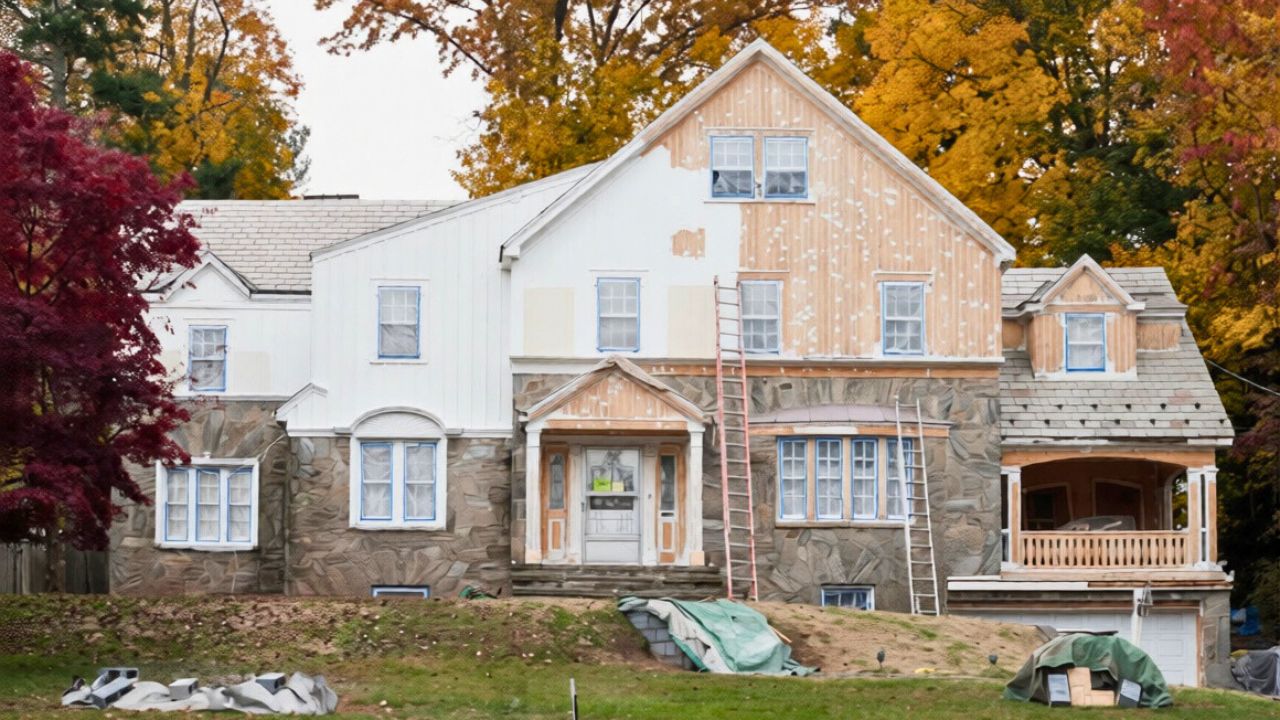
Even before you touch wiring or plumbing, the layout of an older home shapes how well modern upgrades will work. Early twentieth century houses were organized around small, separate rooms, with doors and walls that controlled heat from fireplaces or radiators and created formal zones for cooking, dining, and entertaining. When you try to retrofit an open‑concept kitchen or a wall of glass sliders into that structure, you are fighting a plan that was never meant to carry sound, light, or airflow the way a contemporary great room does. The result can be a beautiful renovation that still feels awkward because circulation, sightlines, and furniture placement are working against the original logic of the house.
By contrast, newer construction tends to start with a large combined living, dining, and kitchen area, then push bedrooms and utility spaces to the perimeter. That difference is not cosmetic, it reflects the way “floor plans always reflect the lifestyle of the time the house was built,” as designers point out when they compare a historic Floor Plan to a contemporary one. When you add modern upgrades like a large kitchen island, built‑in media wall, or home office to an older layout, you often need structural changes, not just cosmetic ones, to keep the house from feeling like a patchwork of eras.
Materials and craftsmanship: why “better” can be harder to modify
One reason older homes can feel more solid is that they were often built with heavier, more durable materials. Long‑leaf pine framing, thick plaster, and dense masonry can shrug off decades of use in a way that lightweight engineered lumber and thin drywall cannot. Advocates for traditional construction argue that “better materials” are a key reason many early twentieth century houses are still standing, and they point to details like old‑growth wood and lime‑based mortar as evidence that earlier builders expected their work to last, a case laid out in discussions that start with “Here’s three reasons I believe old houses are built better,” including a focus on Better Materials.
That durability, however, cuts both ways when you introduce modern upgrades. Drilling through thick plaster and lath to run new data cabling, cutting openings in brick for larger windows, or notching oversized joists for plumbing can be more labor intensive and riskier than working in a newer stud wall. You may find that a simple recessed lighting plan requires specialized tools and patching skills, or that adding a second bathroom means threading pipes through framing that was never designed for that load. In practice, the very qualities that make an older home feel substantial can turn even modest upgrades into surgical projects that demand more planning, time, and budget.
How age affects energy, moisture, and comfort
Older homes were designed around different assumptions about energy and climate control, and that history shows up every time you try to tighten the envelope or add high‑efficiency equipment. Before central heating and air conditioning, many houses relied on fireplaces or wood stoves that ran for months at a time, drying out the structure and pulling air through chimneys and leaky windows. That constant movement of heat and air created a balance between moisture, ventilation, and comfort that is very different from a sealed, mechanically ventilated home. When you suddenly add spray foam, triple‑pane windows, and a powerful furnace to a drafty shell, you can trap moisture in walls or attics that used to dry naturally, which is why you see experts tracing longevity back to how “During the cold months, homes were heated with fireplaces or wood stoves that ran continuously for months” and how that affected energy flow.
Newer homes, by contrast, are engineered as systems. Insulation levels, window performance, and HVAC sizing are calculated together, so adding a smart thermostat or upgrading to a more efficient heat pump usually slots into an existing framework. In an older house, you may need to think more holistically: adding attic insulation without addressing basement dampness, for example, can shift where condensation forms and create mold problems. The key is to respect the original pathways for heat and air, then adjust them gradually so your modern upgrades improve comfort without undermining the building’s ability to manage moisture.
Hidden hazards that complicate modern upgrades
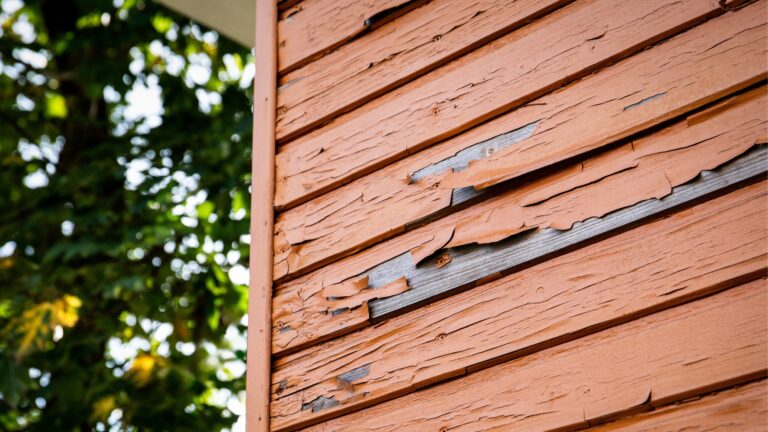
When you open up an older wall to run new wiring or plumbing, you are not just dealing with outdated layouts, you are also confronting materials that are now known to be hazardous. Asbestos, for example, was used extensively in insulation, floor tiles, siding, and joint compounds through much of the twentieth century. Lead paint and older piping compounds can also turn a simple renovation into an environmental remediation project. Contractors who specialize in older housing stock list asbestos at the top of the “most common problems” they encounter, warning that it can show up in everything from boiler wrap to ceiling tiles, and they flag moisture and mold in basements as another recurring issue when they catalog Asbestos and related risks.
These hazards do not mean you cannot modernize an older home, but they do change the sequence and cost of your upgrades. Before you add recessed lighting, for instance, you may need to test for asbestos in the ceiling texture and lead in the existing paint, then budget for professional abatement if they are present. Similarly, before you install a high‑efficiency furnace or finish a basement, you may need to address chronic dampness that has been tolerated for decades but would quickly damage new materials. Understanding what might be lurking behind the plaster helps you avoid surprises that derail your plans halfway through a project.
Electrical and mechanical limits in a digital age
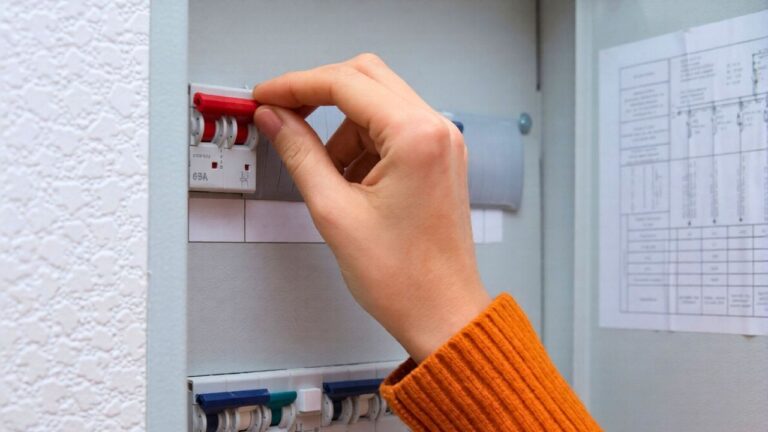
Modern lifestyles put far more strain on electrical and mechanical systems than the builders of many older homes ever imagined. A house wired when a single television and a few kitchen appliances were considered luxurious may now be asked to support multiple computers, electric vehicle chargers, induction cooktops, and whole‑house air conditioning. Online discussions about older construction often start with admiration for solid framing and thick walls, then pivot to the reality that those same houses can contain “lead paint, lead pipes,” and undersized panels, as one owner of a 1920s property notes when explaining why their home “may contain lead paint, lead pipes,” even if it “does seem that way” that it is better built, a tension captured in a thread that begins with “Mar 31, 2017” and the phrase Your house.
When you add modern upgrades like a tankless water heater, high‑capacity HVAC, or a home server rack, those legacy systems can become bottlenecks. You might discover that your panel lacks the amperage for an EV charger, or that your existing ductwork cannot handle the airflow requirements of a new heat pump. In many cases, the responsible path is to treat electrical and mechanical upgrades as foundational work, not optional extras, so that your smart devices and efficient appliances are supported by infrastructure that can handle them safely and reliably.
Why some newer homes feel “cheap” next to older ones
Not every modern house is built to the same standard, and that variability shapes how you perceive upgrades in different eras of construction. In online real estate forums, you see recurring complaints that many homes built in the past “20–30 years” feel “low quality,” with commenters contrasting “superior build quality” and “actual character and style” in older neighborhoods with what they describe as bland, cost‑engineered subdivisions. One poster sums it up by saying that “Aside from superior build quality, there’s actual character and style, which seems to be lacking in the vast majority of newer construction,” a sentiment that surfaces in a discussion dated “Apr 30, 2020” about whether Aside from age, newer homes feel different.
Those perceptions matter when you plan upgrades, because they influence where your money has the most impact. In a well crafted older home, adding high‑quality windows, carefully restored trim, and modern mechanicals can amplify an existing sense of solidity and detail. In a newer house that already has efficient systems but feels generic, your upgrades may focus more on finishes, layout tweaks, and exterior improvements that add personality. Recognizing whether you are working with a strong underlying structure or a more minimal shell helps you decide whether to prioritize hidden systems, visible aesthetics, or both.
Cost, value, and the “old versus new” decision
When you weigh an older home against a new build, you are really comparing two different upgrade paths. A freshly completed house typically offers modern insulation, up‑to‑date wiring, and code‑compliant plumbing, which means your early investments can go straight into personalization: upgraded fixtures, landscaping, or smart home systems. Developers marketing 2025 projects emphasize that a “new build” is a property “just been built,” often within the last couple of years, and they frame “old build” homes as places where you may need to invest more in infrastructure before you can tailor the space fully to your taste, a contrast that is spelled out when you look at how What differentiates the two.
With an older property, the equation is more complex. You might pay less upfront for a house that needs work, then invest heavily in electrical upgrades, insulation, and hazard remediation before you ever touch finishes. Yet you may also gain features that are expensive to replicate in new construction, such as thick masonry walls, mature trees, or walkable locations. The value of your modern upgrades depends on how well they align with those inherent strengths. If you respect the original structure, address its weaknesses methodically, and choose improvements that enhance both performance and character, you can end up with a home that feels more tailored and enduring than many brand‑new options.
Planning upgrades that work with, not against, an older home
Like Fix It Homestead’s content? Be sure to follow us.
Here’s more from us:
- I made Joanna Gaines’s Friendsgiving casserole and here is what I would keep
- Pump Shotguns That Jam the Moment You Actually Need Them
- The First 5 Things Guests Notice About Your Living Room at Christmas
- What Caliber Works Best for Groundhogs, Armadillos, and Other Digging Pests?
- Rifles worth keeping by the back door on any rural property
*This article was developed with AI-powered tools and has been carefully reviewed by our editors.