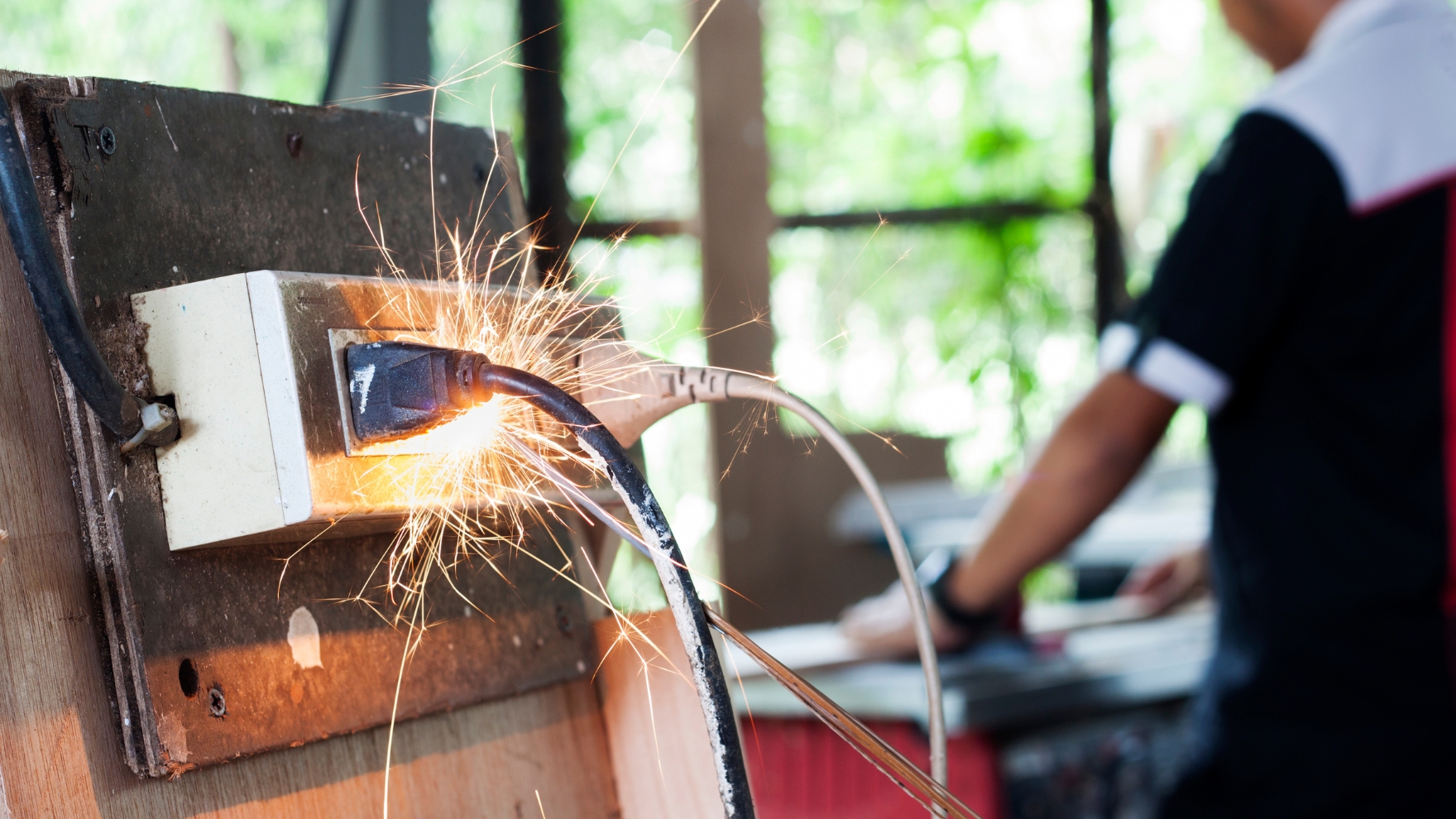
Why older homes struggle with modern electrical loads
Older houses were never wired for a world of air conditioners in every bedroom, 240‑volt induction ranges, gaming PCs, and always‑on chargers. When you push that kind of demand through a system designed for a few lamps and a radio, the result is flickering lights, tripped breakers, and in the worst cases, fire risk. Understanding why older homes struggle with today’s electrical loads is the first step to deciding whether you need targeted repairs or a full system upgrade.
Instead of treating every nuisance trip as bad luck, you can read your home’s electrical behavior as a set of warning signs. Electricians who work on older properties point to a consistent pattern: undersized service, outdated wiring methods, and aging panels that simply cannot keep up with modern expectations. Once you see how those pieces fit together, it becomes clear why your charming prewar bungalow reacts badly when you plug in one more space heater.
The mismatch between old design and modern demand
Most older homes were built around a very different picture of daily life, with far fewer appliances and much lower overall consumption. Early electrical systems often assumed a handful of light fixtures and maybe a single plug‑in iron or toaster, not a kitchen full of high‑draw devices plus multiple televisions, laptops, and a Level 2 EV charger. Electricians note that many of these houses still rely on original layouts that never anticipated central air conditioning or large entertainment systems, which is why you see frequent nuisance trips when several big loads run at once.
That design gap shows up most clearly in the main service size and the number of branch circuits. Reports on insufficient electrical panels describe homes where a single small panel is expected to feed air conditioners, microwaves, and entertainment systems that did not exist when the house was wired. Similar reviews of electrical problems found in older homes highlight that the original infrastructure simply lacks the capacity and circuit count to distribute power safely to every room.
Outdated wiring methods and materials
Even when the total load is modest, the type of wiring in an older home can create problems long before you hit the theoretical limit. Electricians who inspect historic properties routinely find original conductors with brittle insulation, splices hidden behind walls, and circuits that were extended informally over decades. One analysis of outdated wiring notes that many older homes still rely on their first generation of wiring systems, which were never intended to carry the kind of continuous, high‑draw loads that are now common in kitchens and home offices.
These aging materials are not just inconvenient, they are more vulnerable to overheating and failure when stressed. A review of outdated electrical wiring points out that one of the most common issues in older homes is degraded insulation that can expose conductors and increase the risk of arcing. Another guide on what electricians want you to know about older houses stresses that the type of wiring used decades ago was not engineered for modern conveniences like air conditioning, so even normal use can push it beyond its safe operating range.
Undersized and aging electrical panels
The electrical panel is the traffic controller for your home’s power, and in older houses it is often the most obvious bottleneck. Many properties still rely on panels that were sized for 60‑amp or 100‑amp service, which is marginal once you add central air, electric dryers, or high‑end kitchen appliances. Electricians who catalog common electrical problems in older homes identify outdated electrical panels as one of the first things they look at, because an undersized or obsolete panel limits how many circuits you can safely run and how much power the home can draw overall.
Panel age is just as important as panel size. Some older homes still have fuse boxes or early breaker designs that lack modern safety features and can fail to trip reliably under overload. A breakdown of common electrical panel problems in older homes notes that decades ago, panels were installed for much lower household demand, and signs like warm or buzzing outlets can indicate that the system is straining. Another overview of common electrical repair issues in older homes explains that older protective devices do not offer the same level of safety as modern circuit breakers, which leaves you more exposed when circuits are routinely pushed to their limits.
Overloaded circuits and everyday warning signs
When you plug too much into a single circuit, the symptoms are often subtle at first, then increasingly disruptive. You might notice lights dimming when a window air conditioner starts, a breaker that trips whenever the microwave and toaster run together, or outlets that feel warm after a space heater has been on for a while. Electricians who focus on the dangers of overloaded circuits in older homes explain that outdated wiring and switchboards are especially vulnerable to failure under pressure, so what looks like a minor annoyance can actually be a sign that conductors and connections are running hotter than they should.
Those everyday clues matter because older systems often lack the redundancy and capacity to absorb mistakes. Analyses of common electrical issues in older homes describe how insufficient panel capacity and limited circuits force multiple high‑draw devices onto the same run, which increases the risk of overloads. Another review of electrical problems found in older homes notes that this kind of crowding can damage sensitive electronics and shorten the life of appliances, even if the breaker does not trip every time.
When upgrades become a safety issue, not a luxury
At some point, patching individual problems in an older electrical system stops being cost effective or safe. If you are constantly resetting breakers, relying on power strips to reach a reasonable number of outlets, or avoiding running certain appliances together, you are already managing around a structural limitation. Guidance on electrical wiring upgrades emphasizes that if your lights and appliances flicker or dim when large loads start, the underlying system may be putting your family at serious risk, not just causing inconvenience.
Upgrading does not always mean gutting walls, but it does mean treating capacity and safety as non‑negotiable. Electricians who outline how to fix common problems in older homes recommend starting with a modern panel sized for current and future loads, then adding dedicated circuits for heavy appliances and replacing the most outdated wiring runs. Other experts who discuss older homes and how to fix them stress that addressing one of the major weaknesses, such as deteriorated conductors or overloaded circuits, can significantly reduce the risk of power loss or fire. The goal is not to erase the character of an older house, but to give it an electrical backbone that can safely support the way you actually live today.
Like Fix It Homestead’s content? Be sure to follow us.
Here’s more from us:
- I made Joanna Gaines’s Friendsgiving casserole and here is what I would keep
- Pump Shotguns That Jam the Moment You Actually Need Them
- The First 5 Things Guests Notice About Your Living Room at Christmas
- What Caliber Works Best for Groundhogs, Armadillos, and Other Digging Pests?
- Rifles worth keeping by the back door on any rural property
*This article was developed with AI-powered tools and has been carefully reviewed by our editors.