Why older homes struggle with seasonal extremes
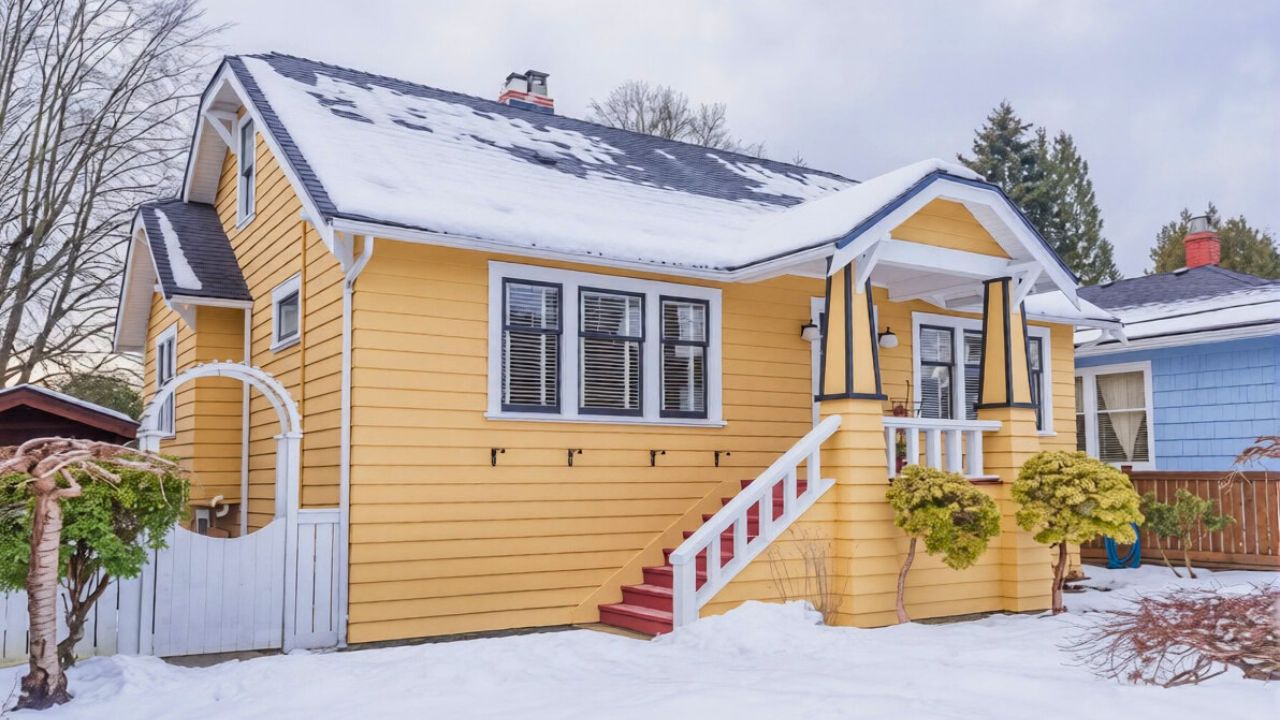
Seasonal extremes are no longer rare spikes in the forecast, they are the new baseline you and your home have to live with. Older houses, charming as they are, were rarely built for today’s longer heat waves, heavier downpours, and erratic cold snaps, which leaves you working harder and paying more just to stay safe and comfortable. When you layer in the fact that older adults are physically more vulnerable to heat and cold, the weaknesses of aging homes stop being a cosmetic issue and become a public health problem.
If you or your parents are aging in place, the building itself can either cushion those climate shocks or magnify them. Understanding why older homes struggle, and how that intersects with age, neighborhood, and even whether you live in a city or a rural county, is the first step toward making smarter upgrades and care decisions before the next season hits.
How aging bodies and aging buildings collide
As you get older, your body becomes less efficient at regulating temperature, which makes every degree of indoor heat or cold matter more. Medical experts who study Climate Change and Heat Resilience in Older Adults point out that seniors sweat less, often have chronic conditions, and may take medications that interfere with cooling, all of which raise the risk of heat exhaustion and heat stroke. When that physiology meets a drafty house with poor insulation or an undersized air conditioner, the building’s flaws translate directly into higher odds of dehydration, dizziness, and hospitalization.
Cold snaps create a similar collision between biology and bricks. Circulation issues, heart disease, and mobility limits make it harder for older adults to stay warm, move to a safer room, or respond quickly if a furnace fails. Research on extreme heat and older adults underscores that hazardous temperatures are especially dangerous when they persist overnight, because the body never gets a chance to recover. In an older home that leaks conditioned air and cannot shed heat after sunset, you are essentially asking a less resilient body to fight the climate around the clock.
Design legacies that trap heat and leak comfort
Most older homes were designed for a climate that no longer exists, and you feel that mismatch most acutely in summer. In Northern regions that historically relied on mild summers and cross-ventilation, many older houses in the Northeast still have limited or inefficient cooling systems, if they have central air at all. Reporting on why older adults
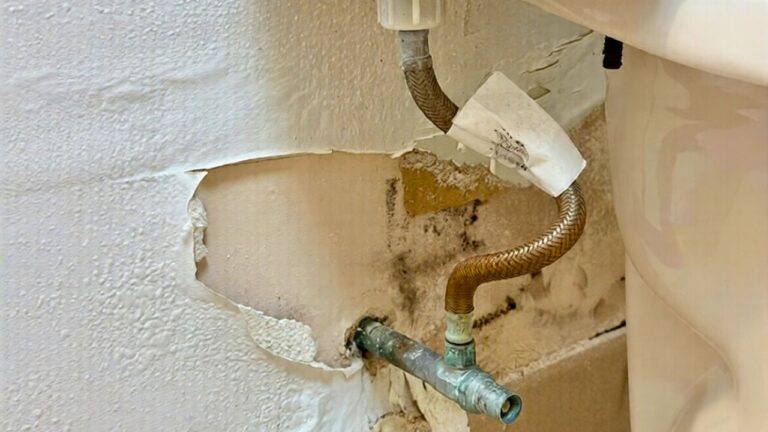
Winter exposes a different set of design legacies. Single-pane windows, minimal wall insulation, and unsealed crawlspaces were standard in many prewar houses, and even midcentury construction often assumed cheaper energy and milder winters than you face today. Those gaps do not just raise your utility bills, they create cold interior surfaces and drafts that are especially hard on older adults with arthritis or cardiovascular disease. When experts describe how The Homes and Neighborhoods of Older Adults Shape Their Vulnerability to Climate Change, they emphasize that the physical shell of the house can either buffer or amplify outdoor extremes, and older construction too often does the latter.
Neighborhoods, isolation, and the geography of risk
Your home’s performance is not just about what happens inside the walls, it is also about where those walls sit. Older adults are more likely to live in long-established neighborhoods, which can mean mature trees and walkable streets, but it can also mean aging infrastructure and limited climate adaptation. Analysis of The Homes and Neighborhoods of Older Adults Shape Their Vulnerability to Climate Change highlights that population aging and Climate Change are colliding in specific blocks and houses, not just at the national level. If you live on a street with poor drainage, frequent power outages, or few shaded public spaces, your older home is operating in a harsher microclimate before you even touch the thermostat.
Rural settings add another layer of risk. According to Key Points on Rural Aging and Extreme Weather, Rural counties have a higher proportion of adults aged 65+ than urban areas, with a larger share of residents who are 65 or older. Transportation and mobility barriers mean that when extreme heat or cold hits, getting to a cooling center, a generator-equipped shelter, or even a hardware store for a fan can be nearly impossible. If your farmhouse or small-town bungalow already struggles to hold a safe temperature, that isolation turns a building problem into a life safety issue.
Why assisted living often weathers extremes better than home
When you compare an older single-family home to a modern assisted living facility, you are really comparing two different approaches to climate resilience. Facilities built or renovated in the last couple of decades are more likely to have robust central cooling, backup generators, and staff trained to monitor residents during heat waves or cold snaps. Guidance on Senior Safety in Extreme Weather explains that in Assisted Living Vs Home Care, Seniors benefit from formal emergency plans, regular wellness checks, and building systems that are maintained on a schedule, not just when something breaks. That infrastructure means the building is less likely to overheat, lose heat, or stay dangerously hot overnight.
Home care, by contrast, leaves you at the mercy of your house’s quirks and your own ability to respond. If you or an older relative lives alone in an aging home, there may be no one to notice early signs of heat stress or hypothermia, especially during nighttime hours when symptoms can escalate quietly. The same Senior Safety guidance stresses that while staying at home can preserve independence, it also requires you to be proactive about weather alerts, backup power, and simple measures like checking indoor temperatures with a reliable thermometer. Without those safeguards, the structural weaknesses of an older house can quickly outweigh the emotional comfort of familiar surroundings.
Retrofitting older homes for a harsher climate
You cannot change the year your house was built, but you can change how it behaves when the forecast turns extreme. Building scientists and architects who study New high-tech design for climate resilience often point to flagship projects like Apple’s ring-shaped headquarters, yet many of the same principles can be applied in modest retrofits. Air sealing, attic insulation, reflective roofing, and exterior shading can dramatically reduce indoor temperature swings in an older home, especially when paired with a right-sized, well-maintained cooling system. These upgrades may not be flashy, but they directly reduce the strain on older adults’ bodies by keeping indoor conditions closer to a safe range.
Retrofitting is not only about hardware, it is also about planning for how you will use the house during a heat wave or cold snap. Health experts focused on Older Adults and heat vulnerability recommend creating at least one “safe room” that can be cooled or heated efficiently, stocking it with water, medications, and communication devices, and making sure someone checks in regularly during extreme weather. For rural residents, the Rural
Like Fix It Homestead’s content? Be sure to follow us.
Here’s more from us:
- I made Joanna Gaines’s Friendsgiving casserole and here is what I would keep
- Pump Shotguns That Jam the Moment You Actually Need Them
- The First 5 Things Guests Notice About Your Living Room at Christmas
- What Caliber Works Best for Groundhogs, Armadillos, and Other Digging Pests?
- Rifles worth keeping by the back door on any rural property
*This article was developed with AI-powered tools and has been carefully reviewed by our editors.