Why older houses need proactive inspections
Older houses carry stories in their walls, but they also carry risks that quietly grow with every season you delay a checkup. If you own or are eyeing a decades‑old property, proactive inspections are not a luxury, they are the only realistic way to keep that charm from turning into a safety hazard or a financial shock. Treating inspections as routine maintenance, not a one‑time hurdle at purchase, is what separates homes that age gracefully from those that fail when you least expect it.
Why age makes a house more vulnerable
Every building is designed to move, settle and weather the elements, but time magnifies small flaws into structural problems. Guidance on foundation settlement notes that many buildings are engineered with the expectation of less than 1/4 inch of movement over several years, which gives you a sense of how modest “normal” change should be. When an older house starts showing cracks, sloping floors or doors that no longer close, it can signal that the structure has moved far beyond that narrow tolerance, something only a trained inspector can properly measure and interpret.
Specialists who focus on aging building inspections warn that older structures can pose a genuine threat and liability to occupants, owners and even people nearby if deterioration is left unchecked. That risk is not limited to dramatic failures like a collapsing porch; it includes slow rot in framing, corroded fasteners and outdated materials that no longer perform as intended. When you combine that with the heavier loads of modern life, from larger appliances to more intensive heating and cooling, the margin for error in an older house shrinks, which is why regular, methodical inspections become more critical with each passing decade.
Hidden hazards behind the charm
What you cannot see in an older home is often more dangerous than what you can. Inspectors who document hidden problems in older homes point out that many properties were built before central air conditioning, high‑demand electronics and today’s code requirements, which leaves you with undersized wiring, overloaded panels and “Electrical System Woes” that can overheat or spark. Similar concerns show up in lists of common concerns in older homes, where structural issues, uneven or sagging floors and outdated systems recur as red flags that are easy to miss during a casual walk‑through.
Older houses also tend to lag badly on efficiency and safety upgrades. Reporting on problems with buying an old house notes that older homes were not built with energy efficiency in mind and that many have little or no insulation, or insulation that is old and ineffective. That means higher utility bills and a greater risk of condensation, mold and ice damage in colder climates. At the same time, guidance on managing risk with old homes highlights that outdated systems and materials, including hazardous products that are no longer allowed in new construction, still sit quietly in many older properties. Without a thorough inspection, you are relying on luck that those hidden hazards will not be the ones to surface next.
Safety, liability and the cost of waiting
From a safety perspective, older homes demand more frequent scrutiny because they were built to standards that no longer match what you expect today. Analysts who explain why older homes should be inspected more often stress that safety is one of the primary reasons, since older wiring, plumbing and structural components may not handle the load of modern appliances and technologies. A separate overview of electrical system woes in older properties reinforces that point, describing how circuits designed for a handful of outlets now serve televisions, computers, chargers and air conditioners, all of which raise the stakes if something fails.
The liability side is just as stark. Commentary on historic home inspections frames older and historic properties as a blend of old charm and modern liability, especially in The United States, which lacks the centuries‑old castles of Europe but has a vast stock of aging houses. Broader risk analysis on aging buildings notes that “Aging Buildings Mean Increased Risks” and that neglected infrastructure can quickly become a life‑safety and liability event. For a homeowner, that translates into potential injury claims, insurance disputes or forced emergency repairs if a neglected issue, such as a failing stair, loose railing or compromised deck, finally gives way.
What inspectors focus on in older homes
When you schedule a professional review of an older property, the checklist looks different from a new build. Specialists who compare inspections for new construction versus older homes explain that the core purpose is the same, but the emphasis shifts toward long‑term wear, outdated systems and prior alterations. Another breakdown of top reasons homes fail inspection groups the biggest problems into structural, systems and pests and moisture, categories that tend to be more acute in older houses that have cycled through decades of weather and ownership.
Within those broad buckets, inspectors give particular attention to the foundation, framing, roof, plumbing and electrical. Detailed guidance on foundation inspections in older homes notes that foundation issues often develop quietly and can be hard to see, especially in regions with freezing winters and rainy springs that stress concrete and masonry. Advice for inspectors on framing and structure in older properties highlights that unique architectural styles and materials can hide weaknesses, from undersized beams to compromised load paths. Roof specialists who outline the benefits of regular roof inspections add that proactive maintenance is dramatically less costly than reactive repair, and that a modest inspection fee can prevent leaks that damage insulation, ceilings and structural members.
Why “set it and forget it” fails with plumbing and systems
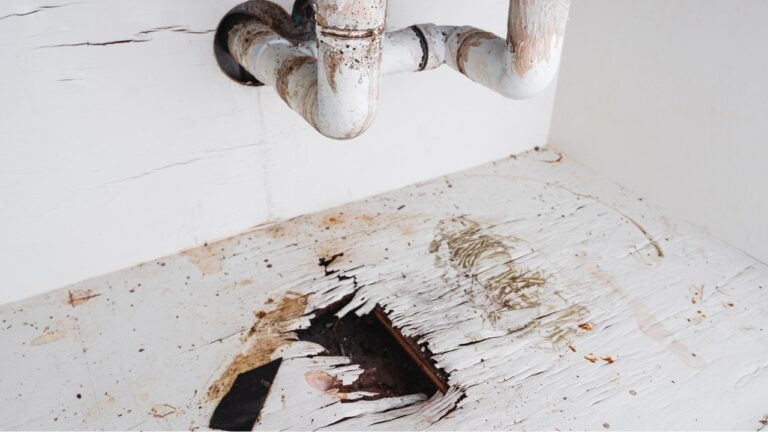
Water is one of the most destructive forces in any building, and older plumbing magnifies that threat. A detailed look at plumbing in older homes notes that living in an older home brings unique charm and history, however, aging pipes, corroded connections and outdated materials can fail without much warning. Advocates for home maintenance inspections emphasize “Early Problem Detection,” especially for older properties that may face issues like plumbing leaks behind walls or under floors, where a small drip can escalate into extensive water damage if you are not looking for it.
Mechanical and electrical systems in older houses are just as unforgiving if ignored. Analysts who warn you to never skip your annual home inspection frame owning a home as one of the largest investments you will ever make and argue that, like any investment, it needs regular checkups to ensure heating, cooling and electrical meet modern safety codes. Broader building‑maintenance guidance that stresses proactive maintenance reinforces that addressing issues as soon as they arise is more cost‑effective than reactive repairs, helping you avoid expensive breakdowns or premature replacements. In an older home, where every system is closer to the end of its design life, that logic is even more compelling.
Like Fix It Homestead’s content? Be sure to follow us.
Here’s more from us:
- I made Joanna Gaines’s Friendsgiving casserole and here is what I would keep
- Pump Shotguns That Jam the Moment You Actually Need Them
- The First 5 Things Guests Notice About Your Living Room at Christmas
- What Caliber Works Best for Groundhogs, Armadillos, and Other Digging Pests?
- Rifles worth keeping by the back door on any rural property
*This article was developed with AI-powered tools and has been carefully reviewed by our editors.