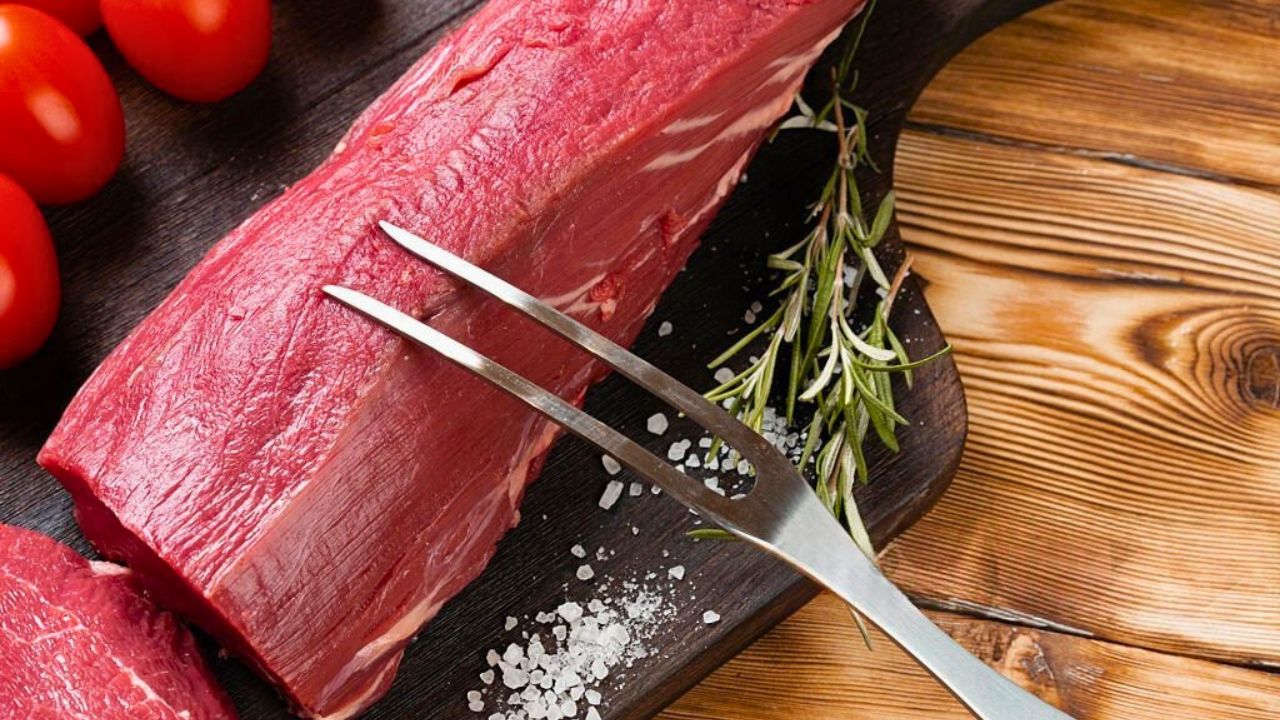
Why “record beef prices” could keep squeezing family dinners into 2026
Beef is quietly becoming the most fraught item on your grocery list, a staple that now forces tradeoffs with rent, gas, and everything else crowding your budget. Record prices at the meat counter are not a blip but the result of structural strains that are likely to keep pressing on family dinners well into 2026. To understand how long this squeeze could last, you have to follow the cattle, the climate, the packers, and even the politics shaping what ends up on your plate.
You are not just paying for a pound of ground chuck, you are paying for years of drought, shrinking herds, shuttered plants, and a global tug-of-war over protein. Those forces are converging into a slow-moving shock that is hitting ranchers and households at the same time, and the relief many shoppers are hoping for is still on the distant horizon.
How a historic cattle crunch set the stage
The starting point for your higher beef bill is simple: there are fewer cattle behind every steak and burger. Analysts tracking the market point to the lowest U.S. cattle inventories in 73 years, a historic tightening that has pushed wholesale and retail beef prices to all time highs. When the national herd shrinks that far, every link in the chain, from feedlots to supermarkets, has less room to absorb shocks, so even modest disruptions ripple straight into the prices you see on the shelf.
Government data underline how lean the pipeline has become. Of the total U.S. cattle inventory, which stands at 86.7 m head, all cows and heifers that have calved account for 37.2 m, and beef replacement heifers number just 27.9 m. There is, in other words, a finite pool of animals that can be turned into steaks and roasts in the near term, and that scarcity is the foundation for the record prices you are now confronting.
Drought, feed costs, and the “Perfect Storm” on the ranch
Behind those numbers is a brutal reality on the ground for ranchers, which ultimately feeds into what you pay. Years of punishing drought in key cattle states have scorched pastures and forced producers to buy more feed, just as grain prices climbed and transportation costs rose. Industry analysts point to that combination of drought, high feed prices, and reduced herd sizes as the main drivers of the surge in beef costs, with fuel and trucking expenses adding another layer of pressure.
On top of the weather and feed squeeze, the processing side of the industry is facing its own turmoil. A detailed look at the supply chain describes a Perfect Storm in which tight cattle supplies collide with volatile feedlot placements and shifting packer strategies. When ranchers are forced to liquidate animals early because they cannot afford feed, and packers respond by trimming capacity, the result is a system that delivers less beef to market and does so at a higher cost, which you ultimately shoulder.
Why the herd is not bouncing back quickly
Even if weather improves, the cattle cycle does not turn on a dime, and that is a key reason your grocery bill is unlikely to ease quickly. To rebuild the herd, ranchers need to hold back more young females, a process known as heifer retention, which temporarily reduces the number of animals available for slaughter. Yet Industry insiders note that there has been minimal heifer retention so far, which is required for herd expansion, meaning the supply of beef animals will stay tight into 2026.
Policy efforts are trying to nudge the sector in the opposite direction, but they will take time to show up in the meat case. The USDA has announced a plan to strengthen the American cattle industry, yet analysts caution that without an accelerated heifer retention movement, the structural shortage will persist. For you, that translates into a longer period in which fewer cattle are coming to market, keeping wholesale prices elevated and limiting the room retailers have to offer discounts on family staples like ground beef and chuck roasts.
The Great Livestock Divide: beef scarcity versus dairy surplus
While beef is getting scarcer and more expensive, other parts of the livestock world are dealing with the opposite problem, and that imbalance is reshaping what you see in the refrigerated case. A detailed breakdown of what some analysts call The Great Livestock Divide describes how record cattle scarcity meets a looming dairy glut, with beef producers struggling to find enough animals while dairy operations brace for oversupply. That split means you may see aggressive promotions on some dairy-based proteins even as beef prices keep climbing.
The same reporting on Record Cattle Scarcity Meets a Looming Dairy Glut also flags how cheaper foreign meat can flow into the market when domestic supplies are tight. That influx of imported product can soften prices at the margin, but it rarely offsets the underlying shortage of U.S. beef animals, so you end up with a case where some proteins feel like bargains while steaks and burgers remain stubbornly expensive.
Record prices that still are not scaring you away
One reason the squeeze on your dinner table is lasting so long is that demand has barely budged, even as prices climb. Consumer research shows that shoppers spent over $40 billion on fresh beef in 2024, which accounted for more than half of all fresh meat sales. That kind of loyalty gives retailers confidence that you will keep buying, even if you trade down from ribeye to ground beef or from branded cuts to store labels.
Analysts say the consumer desire for beef has created a powerful pull on prices, keeping them elevated even when budgets are tight. A Nov snapshot of the market notes that Americans are not cutting back in a meaningful way, which means the usual demand destruction that might cool prices has not kicked in. For your household, that dynamic shows up as smaller portions, more pasta and beans on the side, and fewer impulse steak nights, rather than a clean break from beef altogether.
Ranchers are hurting even as you pay more
It can be hard to square the record prices you see at the store with the financial stress many ranchers describe, but both are true. Reporting on how Beef prices hit record highs explains that diminished cattle supplies are likely to drive prices to new records, yet producers are squeezed by the same drought, feed, and financing costs that are driving the shortage. Many are selling off breeding stock just to stay afloat, a move that props up short term supply but deepens the long term crunch.
The same analysis stresses that Diminished herds will keep prices supported even more in the years ahead, because there are simply fewer animals to spread fixed costs across. For you, that means the extra dollars you are paying at checkout are not necessarily padding ranchers’ margins, they are often covering the higher cost of keeping cattle alive and moving them through a concentrated processing system that captures a large share of the value.
Plant closures and packer power reshape the supply chain
Processing plants are the choke points where cattle become the cuts you buy, and disruptions there can quickly show up in your weekly circular. When Tyson Foods decided to shutter its Lexington beef facility, it sent a signal that even major packers are recalibrating in the face of tight supplies and rising costs. Coverage of that decision notes that Tyson Foods to shutter Lexington plant amid record beef prices drew criticism from lawmakers who worry about lost jobs and reduced competition.
The political fallout has been sharp, with Treasury Secretary Scott Bessent partly blaming President Biden and immigration policies for rising prices, and some analysts warning that no relief is expected until 2027. A separate deep dive into The Beef Supply Crisis Deepens argues that Tyson’s Lexington Exit and Plunging Placements Signal Volatile conditions for 2026, with fewer plants potentially leading to reduced competition among packers. For you, that concentration can mean less bargaining power for ranchers and fewer incentives for processors to cut prices when cattle costs ease.
Tariffs, imports, and the global tug-of-war over your steak
Beef is a global commodity, and what happens at ports and in trade talks can matter almost as much as what happens on the prairie. Analysts watching the 2026 outlook warn that tariff policy will be a key swing factor in how much you pay. According to one assessment of what investors should expect, Of course, tariff increases on imports from major suppliers could limit beef supply further if those levies remain in place, tightening the market just when consumers are desperate for relief.
At the same time, the earlier analysis of The Roots of the Shortage and the Dair side of the market highlights how an influx of cheaper foreign meat can partially offset domestic scarcity. For your household, that means the price of a weeknight stir fry might depend on whether retailers can source imported beef or lean more heavily on pork and poultry when tariffs or logistics make foreign beef less attractive.
How families are adapting, and what to watch into 2026
With all these forces converging, you are likely already adjusting how beef fits into your meal planning. Reports on how soaring costs are pushing households and producers to the brink describe families stretching a single pound of ground beef across multiple meals, leaning more on slow cookers to tenderize cheaper cuts, or swapping in beans and lentils a few nights a week. The same coverage notes that transportation costs continue to climb, which means even creative shopping strategies, like driving farther for a sale, can have diminishing returns.
Looking into 2026, the key signals for your budget will be whether herd rebuilding finally gains traction, whether packer capacity stabilizes after the Lexington closure, and how trade policy shapes the flow of imported beef. Analysts tracking the sector expect volatility to remain high, with the same Perfect Storm of tight supplies and concentrated processing likely to keep pressure on prices. For you, that means planning for beef to stay a premium item on the family menu, at least until the cattle cycle, the climate, and the policy choices in Washington and abroad finally start pulling in the same direction.
Like Fix It Homestead’s content? Be sure to follow us.
Here’s more from us:
- I made Joanna Gaines’s Friendsgiving casserole and here is what I would keep
- Pump Shotguns That Jam the Moment You Actually Need Them
- The First 5 Things Guests Notice About Your Living Room at Christmas
- What Caliber Works Best for Groundhogs, Armadillos, and Other Digging Pests?
- Rifles worth keeping by the back door on any rural property
*This article was developed with AI-powered tools and has been carefully reviewed by our editors.