Why some recalls don’t reach homeowners and how to catch them anyway
Product recalls are supposed to be your last line of defense when something in your home turns out to be unsafe, yet the warning system often breaks down before it reaches your mailbox or inbox. Notices get lost, contact lists are outdated, and the sheer volume of alerts can make it hard to know which ones actually affect you. If you understand why those gaps exist, you can build your own safety net and catch the recalls that matter before they turn into emergencies.
Instead of assuming someone will tap you on the shoulder when a car, crib, or kitchen appliance is recalled, you can treat recall checks as a routine part of maintaining your home. That means knowing where the official information lives, how to cross‑check it against the products you already own, and how to cut through confusing corporate language so you know exactly what to do next.
Why recall notices miss the people who need them most
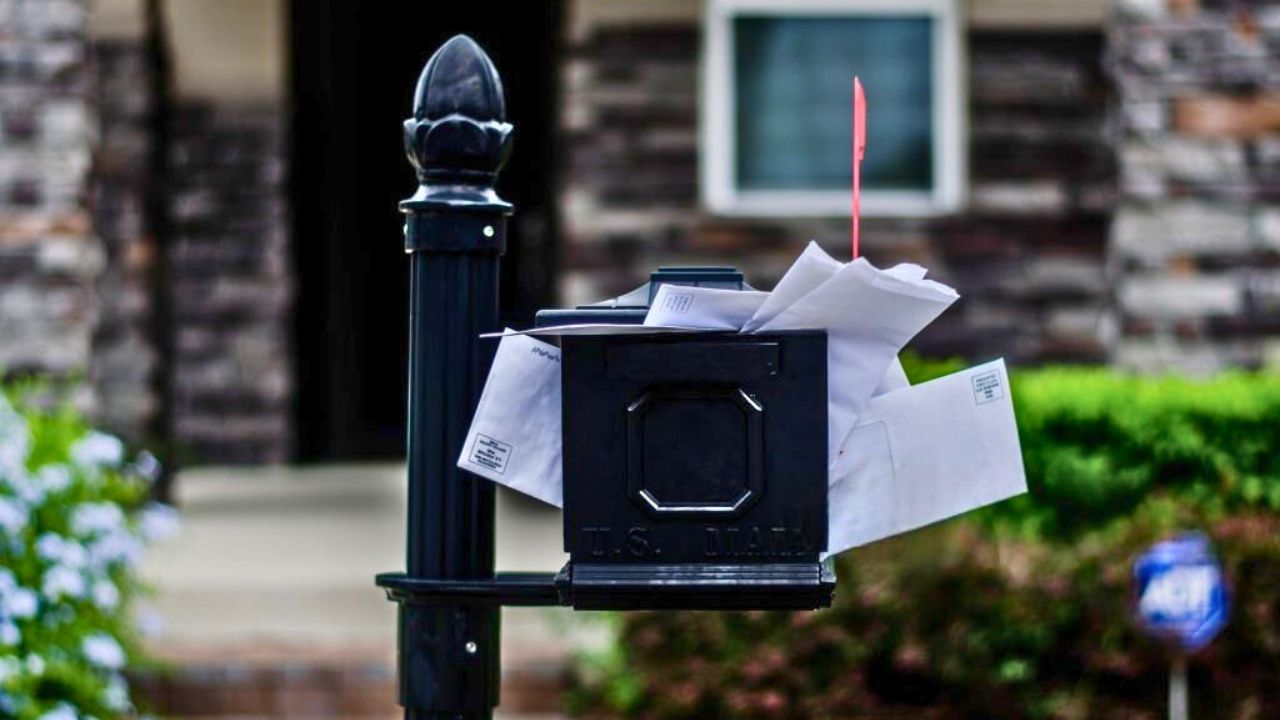
On paper, the recall system looks straightforward: a company discovers a defect, regulators get involved, and notices go out to everyone affected. In practice, the chain breaks at multiple points before it reaches you. Mailed letters are still a primary tool for vehicle and product alerts, but they are only as accurate as the address on file. Sometimes those letters are sent to the original buyer years after a sale, long after the car or appliance has changed hands, and the new owner never appears in the company’s records.
That gap is especially clear with vehicles, where ownership can change several times over a car’s life. Sometimes mailed recall notices do not reach second or third owners, and automakers may be unable to contact vehicle owners at all if registration data is incomplete or outdated, which is why guidance on car safety stresses that mailed notices often go out only to the last known address. When you buy used, inherit a vehicle, or move without updating records, you are relying on a paper trail that may never catch up. The same problem plays out with household products registered under a previous owner’s email or a long‑abandoned online account.
The scale of the problem inside your home
Once you look beyond your driveway, the recall landscape inside your home is even more fragmented. From playpens and strollers to magnetic toys and small kitchen gadgets, thousands of products have been recalled for posing safety risks, yet most of them never generate the kind of headlines that would alert you in passing. A short local news segment or a buried corporate press release may be the only public signal that a product you use every day has been pulled from the market.
Consumer advocates who walk viewers through how to check their homes for problem items often start with the basics, pointing out that from play pens to strollers to magnetic toys thousands of products have been recalled because they can choke, burn, trap, or otherwise injure children. That scale matters because it means you cannot rely on memory or casual news exposure to keep up. You are dealing with a moving target that spans every room, from the nursery to the garage, and the odds that every relevant notice will find you directly are slim.
Why recall communication still feels stuck in the past
Even when companies and regulators do issue alerts, the way they communicate can make it hard for you to act quickly. Many recall notices are written in dense, technical language that buries the real risk under legal disclaimers and corporate spin. Others are posted once and never updated, so you cannot easily tell whether new illnesses, injuries, or fixes have emerged since the first announcement. That leaves you guessing about how urgent a warning really is.
Experts who study food safety have been blunt that modernization of recall communications is urgently needed, noting that from a consumer perspective what is not working includes monitoring recalls that are scattered across multiple sites and not updating illnesses when new cases appear. When companies fail to refresh their warnings or explain them in plain language, you are left to piece together the story from scattered updates and social media chatter, which is hardly a reliable safety system.
Why people ignore or delay acting on recall alerts
Even when a recall notice does land in your mailbox or inbox, it still has to compete with everything else in your life. If the subject line sounds minor, the letter looks like marketing, or the fix seems inconvenient, you may set it aside and never come back. Behavioral research on vehicle owners shows that a surprising number of people do not respond to safety campaigns, not because they do not care, but because the message never feels urgent or clear enough to cut through the noise.
Analysts who track repair rates point to a cluster of reasons, starting with lack of awareness and understanding about what a recall actually means. Many vehicle owners are simply unaware of the recalls that apply to them, or they may not grasp the severity of the defect if the notice uses vague language. When you combine that with the hassle of scheduling repairs, arranging transportation, or shipping a product back, it is easy to see why even serious safety issues can linger unaddressed for years.
How to verify household recalls when no one contacts you
If you hear a rumor about a dangerous product or see a headline that sounds uncomfortably familiar, you do not have to wait for a letter to know whether you are affected. You can go straight to official recall databases and cross‑check the brand name, model number, and manufacturing date against your own item. That process is more precise than relying on a photo or a generic description, and it can confirm whether you need to stop using something immediately or whether your particular version is safe.
Legal and consumer guides emphasize that in the event you do not receive a notice from the company but have heard of a recall, you can confirm if your product is affected by visiting the relevant agency site and, as one step, in the recall notice look for the following information: product name, model or lot number, manufacturing dates, and specific hazard. Once you have that, you can match it against labels on your appliance, toy, or tool. If the numbers line up, you follow the instructions to repair, replace, or discard. If they do not, you document what you found and move on, confident you are not missing a hidden danger.
Building a routine around official recall hubs
Because recall notices are scattered across agencies, one of the most effective steps you can take is to bookmark the central hubs that aggregate alerts. For food, that means checking a site that pulls together real time notices of recalls and public health alerts from the U.S. Department of Agricult, the Food and Drug Administration, and the Centers for Disease Control and Prevention. For other consumer products, it means knowing where your national safety regulator posts its daily bulletins and how to filter them by category.
On the food side, you can visit a federal portal that lets you find a recent recall and search by product type, brand, or date, then follow step‑by‑step instructions on what to do if you have the item at home. For vehicles, fleet managers are told that if they want to know how to check if a single vehicle has an open recall, they can use a tool provided by the National Highway Transportation Administration that searches by Vehicle Identification Number. You can use the same approach as a private owner, turning those institutional best practices into a personal safety routine.
Using VIN tools and other search options to catch car problems
Cars deserve their own recall strategy because the stakes are so high and the tools are unusually precise. Instead of waiting for a postcard, you can plug your 17‑character Vehicle Identification Number into an official database that checks for open safety campaigns specific to your exact car. That search cuts through confusion about trim levels, engine types, and model years, and it can reveal issues that have not yet been widely publicized.
Regulators highlight that you can use a VIN lookup tool to see whether your car has an unrepaired safety recall, and they also point out that there are other search options, including by NHTSA ID and complaint number, if you want to dig deeper into patterns of defects. Consumer guides add that as a general rule, car recalls have no expiration date and that other car recall considerations include the fact that repairs are usually performed at no cost to you. When you combine those tools with a habit of checking before long road trips or after buying a used vehicle, you dramatically reduce the odds that a known defect will catch you by surprise.
Spotting risky products before they ever reach your door
While recall checks are essential, you can also lower your risk by being choosier about what comes into your home in the first place. Safety advocates urge you to pay close attention to product categories that show up repeatedly in recall lists, especially items designed for children. One consumer group, PIRG, reported that about 30 percent of product recalls in 2024 were for products designed for children, a figure that should make you think twice about no‑name brands and untested gadgets marketed through social media.
Practical advice from local investigations includes simple filters, such as sticking with known sellers and established brands, checking for certification labels, and searching for complaints before you buy. One report noted that PIRG, about 30 percent of product recalls in 2024 were for products designed for children, and urged parents to stick with known sellers when buying cribs, car seats, and toys. Appliance specialists echo that logic for big‑ticket items, recommending that you bookmark a recall alert page and, as one expert put it, I recommend bookmarking this page and checking it every few months, just like you would check your bank account or smoke alarms.
Turning recall checks into a normal part of home maintenance
To make any of this stick, you need to treat recall monitoring as a routine, not a one‑off panic when a viral post circulates. That can be as simple as adding a quarterly reminder to your calendar to scan key databases for food, vehicles, and major appliances, then updating a running list of model numbers for the products you rely on most. If you share a household, you can divide the work, with one person responsible for cars and outdoor equipment and another for kitchen gear and children’s items.
Regulators try to support that habit by keeping centralized lists up to date. For example, the Food and Drug Administration explains that the FDA maintains a site that provides the public a descriptive list of recalls, market withdrawals, and safety alerts as a public service, and it also publishes an Enforcement Report that summarizes actions taken. Industry analysts note that consumer expectations are evolving, and that consumers understand that food recalls are increasing in part because of better detection, not necessarily because products are getting more dangerous. That perspective can help you see recall checks not as a reason to panic, but as a normal, responsible way to keep your home aligned with what regulators and companies are learning in real time.
Like Fix It Homestead’s content? Be sure to follow us.
Here’s more from us:
- I made Joanna Gaines’s Friendsgiving casserole and here is what I would keep
- Pump Shotguns That Jam the Moment You Actually Need Them
- The First 5 Things Guests Notice About Your Living Room at Christmas
- What Caliber Works Best for Groundhogs, Armadillos, and Other Digging Pests?
- Rifles worth keeping by the back door on any rural property
*This article was developed with AI-powered tools and has been carefully reviewed by our editors.