Why “temporary” repairs can complicate insurance later
When a storm rips shingles off your roof or a burst pipe floods your living room, your first instinct is to fix what you can as fast as you can. Insurers, however, draw a sharp line between short term damage control and work that looks more like a finished repair. That line matters, because even well intentioned “temporary” fixes can blur the evidence, slow your claim, or give your carrier an excuse to pay less than you expect.
If you understand how insurers view emergency work, documentation, and timing, you can protect your property without undermining your own case. The goal is not to leave your home exposed, but to plan every stopgap repair, receipt, and phone call so that your short term decisions do not complicate your long term recovery.
1. Why insurers care how you repair after a loss
From the moment a tree hits your roof or hail shatters your skylight, your policy stops being an abstract promise and becomes a contract that both sides must navigate carefully. Insurers expect you to act reasonably to limit further damage, but they also expect to see the original harm with enough clarity to verify what happened and what it will cost to fix. That tension is where “temporary” repairs can become a flashpoint, because a blue tarp or a quick patch can either preserve the scene or erase key details.
In Texas, for example, guidance explains that you have both the right and the responsibility to make short term fixes that protect your home from additional harm, but it stresses that the key distinction lies between temporary measures and permanent work that changes the condition of the property in a lasting way, which can affect how your insurer evaluates the loss and reimburses you for emergency storm repairs. That same logic shows up in claim disputes across the country, where carriers scrutinize whether you simply stabilized the situation or effectively finished the job before anyone from the company ever saw the damage.
2. Temporary versus permanent: the line that decides your claim
Insurers and courts often treat temporary repairs as a narrow category: actions that prevent further damage after an incident, without fully restoring the property or replacing major components. Covering a damaged roof section with a tarp, boarding up a broken window, or shutting off water to a leaking line typically fall into this bucket. These steps are meant to buy time, not to deliver a finished product, and they are usually considered part of your duty to mitigate loss rather than optional extras.
Legal guidance on wind and storm losses underscores the Significance of Temporary versus permanent work, noting that Temporary repairs prevent further damage after an incident, while full replacements or structural changes can trigger questions about coverage and reimbursement procedures. When you move from a tarp to new shingles, or from a board up to a full window replacement, you are no longer just stabilizing the loss, you are changing the evidence and potentially shifting costs from the insurer’s column to your own.
3. How “helpful” repairs can slow or shrink your payout
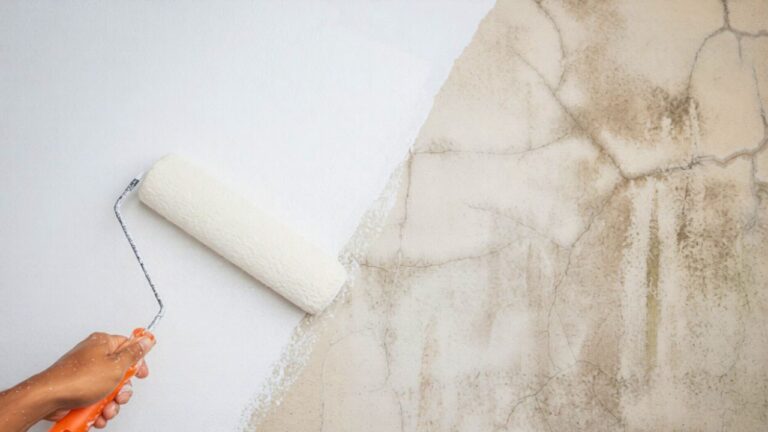
One of the biggest risks of diving into repairs too quickly is that you can unintentionally delay the Claims Process or give your insurer grounds to argue that it cannot fully verify what happened. If you tear out soaked drywall, replace flooring, and repaint before an adjuster visits, you may remove the very proof that shows how far water traveled or how intense the damage was. That can lead to more back and forth, requests for additional documentation, or even a lower estimate because the carrier claims it must rely on your description instead of its own inspection.
Attorneys who work with policyholders warn that One of the most common problems is when owners make extensive repairs before contacting their insurer, which can cause Delays in the Claims Process and disputes over whether later issues were caused by the same event. Another practitioner who previously worked inside the industry and now serves as a Cause of Damage expert notes that starting repairs without coordination can shift leverage to the carrier, because it can argue that you chose a more expensive method or scope than what it believes is in its own best interest to pay for Nov insights.
4. When early repairs cross into claim jeopardy
There is a point where early repairs stop being a nuisance for your adjuster and start becoming a reason to deny or reduce your claim. If you authorize full roof replacement, structural framing work, or major mechanical repairs before the insurer has a chance to inspect, the company can argue that you deprived it of the contractual right to verify the loss. That argument becomes especially sharp when the work involves hidden components, such as roof decking, insulation, or interior plumbing, that cannot be re examined without tearing out what you just paid to install.
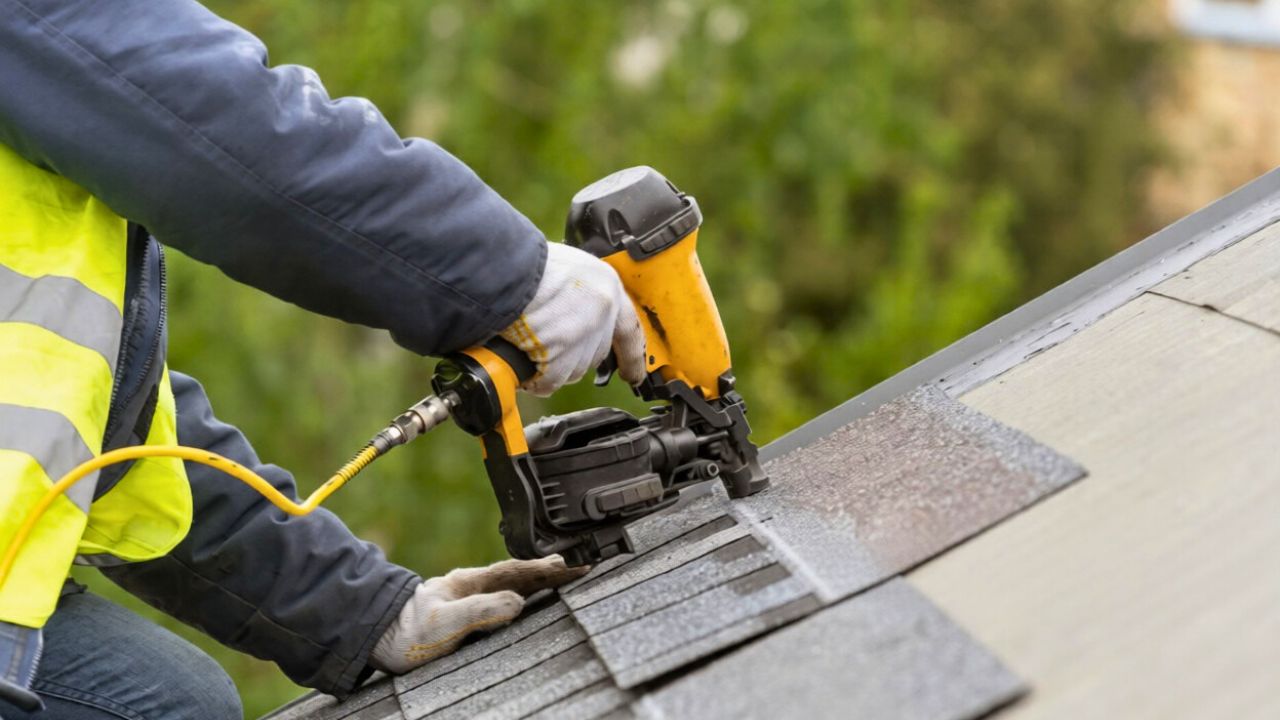
Storm loss specialists caution that Making permanent repairs before an adjuster inspects the damage can result in claim denial, even if your intention was simply to get your family back under a solid roof, and they contrast that with temporary measures to prevent further damage, which are usually encouraged as long as you keep receipts and cooperate through the entire claims process. Another analysis of common errors notes that Making Permanent Repairs Too Soon Property owners may rush to repair the damage quickly to restore normalcy, but this can be detrimental if the insurer later decides that it might not cover those repairs, leaving you with a finished project and an unpaid bill Jun guidance.
5. Your duty to protect the property, and how to meet it
Even as you try not to over repair, you cannot simply walk away from a damaged home and wait for the adjuster. Most policies impose a duty to protect the property from further damage, and carriers routinely point to that language when they push back on mold, rot, or secondary leaks that develop after the initial event. If you ignore a gaping hole in the roof or leave broken windows open to rain, the insurer can argue that part of the loss is on you, not on the storm.
Roofing and restoration experts describe this as a balancing act: you must avoid Mistake #3, Failing to Protect the Property from Further Damage, because Once the storm has passed and the initial damage is done, your responsibility is to take reasonable steps to prevent additional harm, which can include tarping, board ups, or temporary shoring that can be made by professionals who understand how to preserve evidence while stabilizing the structure Further Damage. In Texas, similar advice emphasizes that Under Texas law you are expected to take steps that shield your property from additional damage, but those steps should remain temporary and well documented so they do not blur the line between mitigation and full scale Aug obligations.
6. Documentation: the difference between a clean claim and a fight
Every nail you drive and every tarp you buy after a loss should come with a paper trail. Photos, videos, and receipts are not just nice to have, they are often the only way to prove what the damage looked like before you touched it and what you spent to keep it from getting worse. Without that record, you are asking your insurer to take your word for it, which is rarely a winning strategy when thousands of dollars are on the line.
Federal guidance after major storms stresses that FEMA advises that this initial documentation is critical for processing your claim, particularly when widespread disasters strain adjuster capacity and on site inspections are delayed. Lawyers who help businesses and homeowners recover after catastrophes echo that message, urging you to Document Everything After a Natural Disaster Proper documentation is essential to support your claim and ensure you receive full compensation, and noting that organized photos, inventories, and invoices can also help you get operations back on track sooner if you are dealing with both property damage and business interruption Nov guidance.
7. The hidden cost of missing receipts and sloppy records
Even when you take all the right physical steps, such as tarping and drying out, you can still undermine your claim if you fail to keep proof of what you did and what it cost. Insurers often reimburse reasonable mitigation expenses, but only if you can show that you actually incurred them. Cash payments to a neighbor for emergency labor, untracked trips to the hardware store, or lost invoices from a local contractor can all translate into out of pocket losses that you never recover.
Roofing specialists warn that Not keeping repair receipts is a recurring reason why insurance roof replacement claims get denied, because Repair receipts serve as proof of both your maintenance efforts and emergency mitigation steps, and without them Insur carriers may question whether you properly cared for the property or whether the damage reflects a long term condition rather than a sudden event, undermining the history documenting your roof’s condition repair records. For small businesses, similar logic applies, and risk advisors note that The most common mistake made by insurance claim filers is that they wait too long to notify their insurance company of the issue, which compounds the problem because by the time they report, the damage is less recent and evidence is fresh only in memory rather than in photos and contemporaneous records.
8. Why waiting, guessing, or going it alone backfires
Time and communication are as important as tarps and receipts. If you wait weeks to file, start tearing into walls without guidance, or assume you know exactly what your policy covers, you increase the odds that your “temporary” work will be second guessed. Carriers can argue that late notice prevented them from investigating promptly, or that your own actions made the damage worse or harder to evaluate, which can justify reduced payments or extended investigations.
Risk management specialists urge policyholders to Avoid these common errors to protect your payout and speed up your recovery, highlighting that Waiting Too Long to File is particularly dangerous because Time is critical and Delayin your report can trigger missed deadlines even when emergency extensions and documentation requirements still apply after large scale storms Jun warnings. Local exterior contractors who regularly interface with insurers add that Common Mistakes Homeowners Make When Filing Storm Damage Claims include starting complex repairs without involving a professional who understands how to align scope, photos, and estimates with carrier expectations, which can avoid missteps that cost time and money when the adjuster finally reviews your storm damage file.
9. Practical steps to keep “temporary” from turning into trouble
To keep your short term fixes from complicating your long term claim, you need a simple playbook that you can follow even in the chaos after a loss. Start by stabilizing the scene with clear mitigation steps, such as shutting off utilities, covering openings, and moving undamaged belongings out of harm’s way, while taking photos and video before and after each action. Contact your insurer as soon as practical, describe what happened, and ask for explicit guidance on what emergency work it expects you to perform and what it prefers you to leave untouched until an adjuster arrives.
Like Fix It Homestead’s content? Be sure to follow us.
Here’s more from us:
- I made Joanna Gaines’s Friendsgiving casserole and here is what I would keep
- Pump Shotguns That Jam the Moment You Actually Need Them
- The First 5 Things Guests Notice About Your Living Room at Christmas
- What Caliber Works Best for Groundhogs, Armadillos, and Other Digging Pests?
- Rifles worth keeping by the back door on any rural property
*This article was developed with AI-powered tools and has been carefully reviewed by our editors.