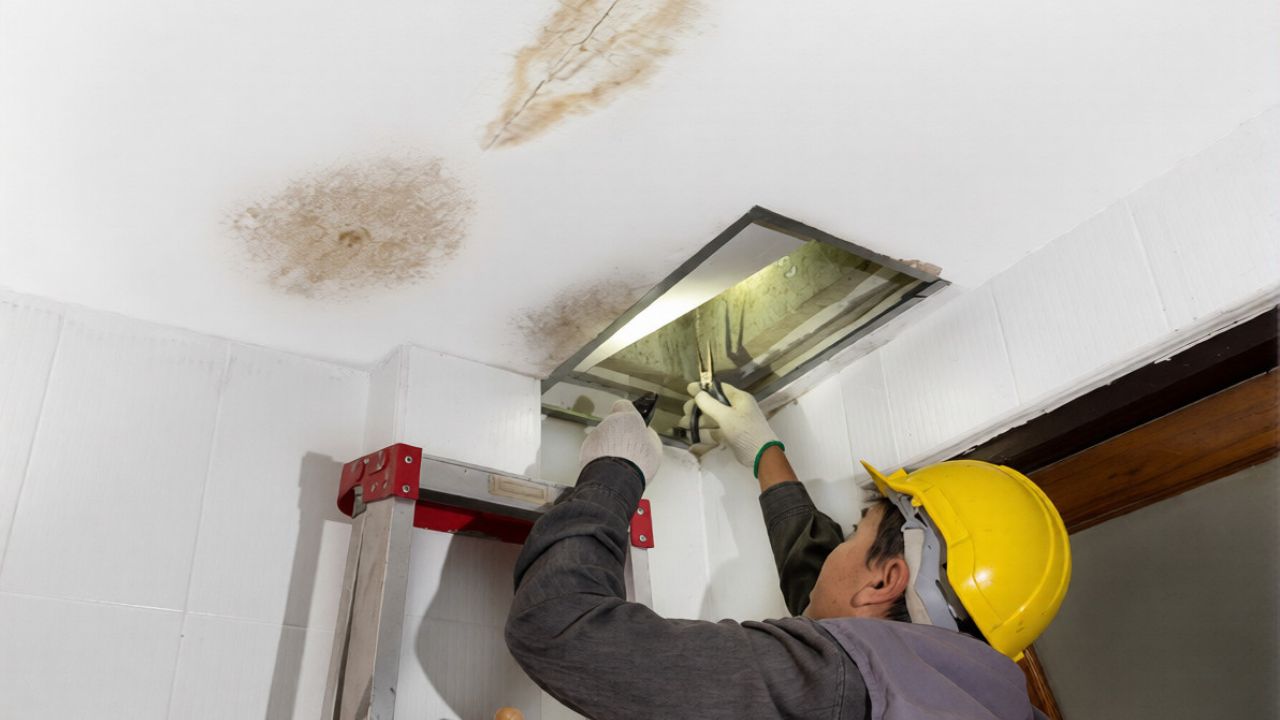
Why this common repair keeps failing in older houses
In older houses, one particular fix keeps showing up on work orders, only to fail again a few months or years later: patching recurring water damage instead of rebuilding the systems that cause it. You see it in stained ceilings, bubbling plaster, flaking paint and blackened corners that seem to “heal” after every visit from a contractor, then quietly return. The pattern is not bad luck, it is the predictable result of treating symptoms on aging buildings whose plumbing, roofing and foundations are long past their design life.
When you live in a pre‑1990 home, you are often dealing with materials and construction standards that no longer match how you use the building today. Short, cheap repairs can feel sensible in the moment, but they rarely stand up to decades of moisture, movement and wear that are already baked into the structure. Understanding why these fixes fail is the first step to breaking the cycle of repeat callouts and escalating damage.
The leak you see is not the leak you have
Most repeat repairs in older homes start with water showing up where it should not be, then stopping the investigation as soon as the visible damage is patched. Ceiling stains get sealed and repainted, plaster is skimmed, and a roofer swaps a handful of tiles, while the real problem, a failing pipe or saturated structure, keeps working out of sight. Renovation specialists warn that a very common slip‑up in period properties is to address the defect you can see rather than the root cause that is feeding it, which almost guarantees that the same mark will reappear in the same place.
Moisture is especially persistent in buildings that were never designed for modern levels of heating, insulation and hot water use. Reports on DAMP and MOULD in older buildings highlight how often the real culprit is a failed damp proof course, hidden plumbing leaks or poor ventilation, not just condensation on a cold wall. When you only repaint or re‑plaster, you trap moisture inside the fabric, which can push it sideways into joists and floorboards. That is why the “same” leak can seem to move, showing up as a new stain a metre away from the last repair even though the underlying source has not changed.
Why pre‑1990 plumbing keeps coming back to haunt you
Behind many stubborn water problems in older houses is plumbing that has simply worn out. Walk into almost any house built before 1990 and the odds are high that at least some of the supply or drain lines are original, even if fixtures have been updated. Plumbers who specialise in these properties report that the repair they are called to most often is fixing leaks on aging pipes, only to be called back when the next weak section fails. One analysis of homes built before 1990 notes that rather than treating each leak as a one‑off, professionals are seeing whole piping systems that are at the end of their service life and are therefore generating the most failures.
Detailed plumbing guidance for older houses explains why this happens. Many older houses experience chronic plumbing problems because of deteriorating pipes that are rusted, corroded or have thinning walls. In some regions, Cast iron drain pipes common in older Columbus homes corrode from the inside, creating rough surfaces that catch debris and eventually crack, allowing water to escape into surrounding cavities. You can patch a pinhole or replace a short run, but if the rest of the line is the same age and condition, the next failure is already forming a few feet away. That is why many plumbers now recommend replacing entire pipe runs, even if only one section is actively leaking.
Outdated systems and structural movement undermine “simple” fixes
Water damage in older homes is rarely just a plumbing story. Outdated electrical and plumbing systems are often intertwined with structural issues that shift, crack and open up new paths for moisture. Building experts who inspect period properties point out that Outdated and Older services often run through timber and masonry that have already been weakened by decades of minor movement. When joists sag or foundations settle, rigid pipes and brittle joints can crack, turning a hairline structural issue into a fresh leak that ruins the latest round of cosmetic repairs.
Structural specialists describe how Structural Or Foundation Problems in older houses tend to occur in areas with unstable bedrock, high soil moisture and seismic activity, all of which increase the risk of visible wall cracks and uneven floors. Engineering research into Why Old Houses Develop Structural Problems notes that these buildings were often constructed with techniques and materials that do not meet current standards, so they respond differently to loads and moisture than modern homes. When you patch a crack or re‑tile a bathroom without addressing the underlying movement or drainage, the building keeps shifting under your repair, opening new gaps for water to find. That is why some “simple” fixes in older houses fail not because the workmanship was poor, but because the structure beneath them is still on the move.
Roofs, drainage and the slow drip of recurring damp
Above your head, the same pattern plays out on the roof. Many older roofs have been repaired piecemeal for decades, with individual tiles replaced, flashing patched and gutters cleared, but the overall system is still aging as a whole. Roofing specialists note that gradual changes in an old roof often lead to recurring issues such as damp patches, draughts, slipped tiles and poor drainage. While individual repairs can buy time, they do not reverse the underlying ageing of the entire system, so leaks tend to reappear in the same general areas after each storm season.
At ground level, drainage is just as critical. Structural engineers warn that Many old homes lack proper drainage, which leads to problems such as saturated foundations, rising damp and soil movement that cracks walls and floors. Surveyors comparing Modern and Older foundations note that older properties often have shallower footings that are more vulnerable to changes in moisture levels. If you only repair the interior plaster or repaint the skirting boards, you are ignoring the constant supply of water from outside that is feeding the problem. Over time, that slow drip of moisture can rot timbers, rust metal fixings and undermine earlier repairs that looked solid when they were first completed.
How to stop paying for the same repair twice
Breaking the cycle of failed fixes in an older house starts with changing how you think about repairs. Instead of asking how to make a stain or crack disappear, you need to ask what system is failing behind it and whether that system is still fit for purpose. Renovation experts who specialise in period homes stress that the most effective projects are those that tackle the cause, not just the cosmetic effect, even if that means a larger upfront job. That might involve replacing a full run of corroded pipework, renewing a damp proof course or upgrading roof drainage, rather than booking another quick patch that will only last until the next heavy rain.
Legal and housing advisers who deal with disrepair cases see the same pattern from another angle. They report that Damp and mould are among the most prevalent issues in older buildings, often arising from structural defects, inadequate ventilation, plumbing leaks or a failed damp proofing course. When landlords or owners only clean and repaint affected areas, tenants end up living with recurring health risks and the building continues to deteriorate. The same logic applies if you own your home: spending more to correct the underlying defect, whether that is a drainage upgrade or a structural repair, is usually cheaper than paying for the same “common repair” every few years while the house quietly gets worse.
Like Fix It Homestead’s content? Be sure to follow us.
Here’s more from us:
- I made Joanna Gaines’s Friendsgiving casserole and here is what I would keep
- Pump Shotguns That Jam the Moment You Actually Need Them
- The First 5 Things Guests Notice About Your Living Room at Christmas
- What Caliber Works Best for Groundhogs, Armadillos, and Other Digging Pests?
- Rifles worth keeping by the back door on any rural property
*This article was developed with AI-powered tools and has been carefully reviewed by our editors.