Why water heater replacements aren’t as simple as they used to be
Replacing a water heater used to be a straightforward errand, closer to swapping out a refrigerator than rethinking part of your home’s infrastructure. Today, that same job can trigger code questions, electrical upgrades, space problems, and sticker shock, all before you even pick a brand. If you are planning for the next decade in your home, you need to understand why the rules, the technology, and the risks have all shifted, and why a “simple” replacement rarely is anymore.
The quiet rule changes behind your next water heater
The biggest reason a water heater swap has become complicated is that you are no longer just replacing a box, you are stepping into a web of federal efficiency rules. Under SUMMARY provisions of The Energy Policy and Conservation Act, or EPCA, the Department of Energy has been tightening minimum performance standards for years, and each new round ripples into the models you can actually buy. Earlier federal changes, often described as New NAECA requirements, forced manufacturers to redesign equipment so that every new unit on the shelf meets higher efficiency thresholds than the one in your basement.
The latest wave is still unfolding. The DOE has issued a Federal Register final rule that tightens standards for gas-fired instantaneous models and sets new baselines for equipment manufactured on and after December 26, 2029, which means the next heater you install will be designed for a regulatory world that is already shifting under your feet. Housing providers are being warned that Updated rules adopted by the Department of Energy will raise upfront costs, and that same pressure ultimately lands on you as the person paying the invoice.
Why “same size, same spot” no longer works
Even if you are happy with your current setup, you may not be able to slide a new tank into the old footprint. Efficiency rules pushed manufacturers to add more insulation, so a replacement tank with the same capacity is often physically larger. For example, guidance on Electric Water Heater Regulations notes that models in the 30 to 50-gallon range now require thicker jackets to hit their efficiency targets, which directly affects the diameter and sometimes the height of the unit. A separate advisory on new rules spells it out bluntly: your replacement water heater will likely be Bigger around and in some cases taller too.
Those extra inches matter when your existing heater is tucked into a closet, attic, or crawlspace that was framed to the old dimensions. Analysts who walk homeowners through Things to consider about the new standards warn that tight mechanical rooms and laundry closets are where you are most likely to hit a wall, literally. If your heater lives in a corner of a finished condo or a stacked townhouse, you may be looking at carpentry, drywall, or even door relocation before the new tank can be installed, which is why a job that once felt like a simple swap now looks more like a mini renovation.
From tanks to tech: how equipment itself has changed
On top of the rule changes, the technology inside your options has moved on from the simple steel cylinders that dominated for decades. Traditional storage tanks are still common, but you are now choosing among condensing gas models, hybrid heat pump units, and on demand systems that only fire when you open a tap. Manufacturers and contractors highlight that New Water Heater Regulations Mean The Time To Replace Is Now for some older, large tanks, especially those above 55 g gallons, because the next generation of high capacity units may require heat pump technology or condensing designs that are more complex to install.
At the same time, the market is filling with smarter and more connected devices. Recent coverage of Advancements in water heater technology points to integrated filtration, leak detection, and app based controls that let you adjust temperatures or vacation modes from your phone. These features can improve comfort and water quality, but they also mean you are buying an appliance that behaves more like a small computer than a passive tank, with circuit boards, sensors, and software that must be installed and configured correctly.
Why the bill is climbing faster than the tank fills
When you finally call for quotes, the price gap between what you paid a decade ago and what you are hearing now can be jarring. Part of that jump is baked into the equipment itself, because higher efficiency designs require more insulation, more complex heat exchangers, and in some cases integrated heat pumps. One plumbing analysis notes that Water heaters built to the new standards use more material in their shells and insulation, and can be heavier, which increases both manufacturing costs and the manpower needed to move and install them.
Labor and ancillary work are the other half of the story. A detailed breakdown of why replacements are getting expensive points out that going from a gas-fired tank to a heat pump water heater, often abbreviated HPWH, can require new electrical circuits, condensate drains, and venting changes that all add hours to the job. In some homes, the main shutoff valve or gas line must be moved, and as one contractor bluntly explains in a cost breakdown from Feb, that can mean shutting down the entire building while the work is done, which is time you are paying for.
Installation is no longer a plug-and-play job
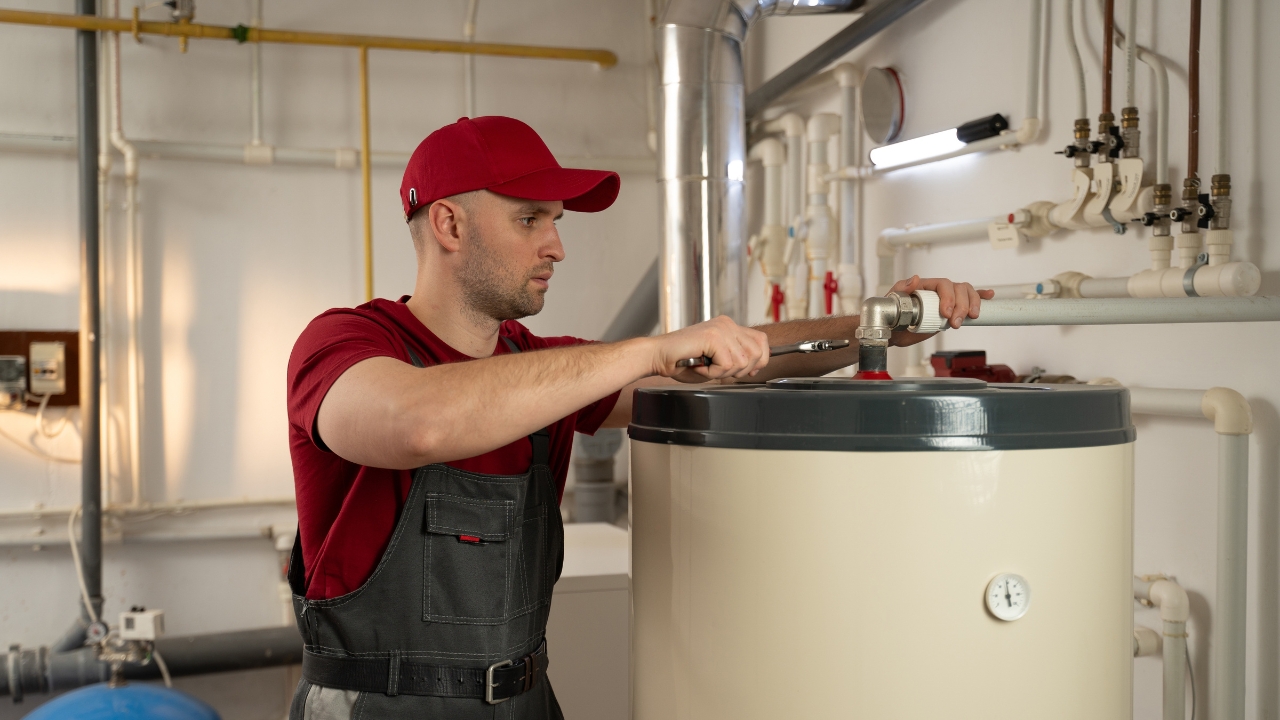
Even if you stick with the same fuel type, the actual installation has become more intricate. Tankless units, for example, are marketed as sleek and efficient, but the Cons of Tankless Water Heaters Installation Complexity section in one pro and con guide warns that Installing a tankless model may require upsizing gas lines, adding new venting, or upgrading electrical service, depending on the unit. That is a far cry from disconnecting a couple of flex lines and sliding a new tank into place.
Regulations also push certain high efficiency gas units toward condensing technology, which changes how exhaust and condensate are handled. Technical guidance on new rules notes that New units must use condensing designs in some categories, which means you may need plastic vent pipes routed to an exterior wall and a drain or pump to remove acidic condensate. For you, that can translate into cutting new holes through siding, running lines through finished spaces, and coordinating with other trades, all of which add complexity that simply did not exist when your last heater was installed.
Emergency replacements collide with a more complex market
Most people do not shop for water heaters until they are standing in a cold shower, which is exactly when complexity hurts the most. A market study on emergency replacements notes that Water heaters are typically replaced at failure, as an emergency, and that When that happens, homeowners and property managers are under pressure to restore hot water quickly. In a world of more complex options, that time crunch often pushes you toward the simplest like-for-like replacement, even if a different technology would be cheaper to run over the long term.
That tension is exactly what some manufacturers anticipated when they warned that Replacing your current tank-type water heater may soon bring bigger installation headaches and higher costs because of federally mandated efficiency requirements. If your old tank fails after those rules have taken effect, you may find that the only available replacement in your size and fuel category is a more complex model that needs electrical work, venting changes, or structural tweaks. Planning ahead, even by a year or two, can give you time to weigh those tradeoffs instead of making a rushed decision in the middle of a household crisis.
Safety, liability, and why pros are more cautious
Another reason your replacement conversation feels more complicated is that professionals are increasingly focused on safety and liability. Modern units incorporate more robust flame arrestors, sealed combustion chambers, and temperature controls, and one overview of Design Changes in Newer Water Heaters notes that these updates make newer models safer than aging appliances that lack such features. At the same time, electricians warn that Aging heaters with Corroded parts and outdated wiring are more prone to accidents, which raises the stakes if an installation is not done correctly.
That risk profile helps explain why some plumbers resist “downgrading” equipment, even when a cheaper model might technically fit. In one discussion of why an apartment heater was pricier than a larger home unit, a commenter argued that Mar professionals are wary of being blamed if a lower spec unit fails to meet expectations or runs afoul of code. That same caution shows up in advice that Professional replacement offers advantages over DIY, particularly when it comes to handling complex installation requirements safely and efficiently, which is another way of saying that the margin for error has shrunk.
Energy savings are real, but so are tradeoffs
For all the headaches, the push toward higher efficiency is not just bureaucratic box ticking. Newer standards are designed to cut energy use and utility bills over the life of the appliance, and consumer guides on Factors to Consider When Replacing a Water Heater emphasize that Prices for new models are slightly higher, but operating costs can be lower. Similarly, federal efficiency moves in other home systems, such as the rule that Here explains will take effect Effective Jan 1 under the Department of Energy for air conditioners, show a consistent pattern: the DOE raises minimum efficiency, manufacturers redesign equipment, and homeowners pay more upfront in exchange for lower monthly bills.
Still, those long term gains only help if you can afford the initial hit and if the system is installed in a way that lets it perform as designed. That is why some advisors suggest that Choosing replacement over repair can eliminate recurring worries about leaks and failures, while giving you the peace of mind that comes with modern safety and efficiency features. At the same time, you need to weigh that against the reality that a high efficiency heat pump or condensing unit may require more space, more power, or more structural changes than your current setup, which is why the decision is no longer as simple as “old tank out, new tank in.”
Looking ahead: planning for the next generation of heat
As you think beyond your current heater, it helps to recognize that water heating is part of a broader shift in how buildings use and store energy. Some innovators are already experimenting with thermal storage systems that bank heat in dense materials, and one analysis of future projects notes that The first projects will likely be retrofits to existing facilities, which will require site level infrastructure to accept heat from a thermal battery. While that technology is not yet a mainstream option for your home, it signals a direction where hot water may eventually be tied into larger energy systems rather than handled by a single isolated appliance.
In the meantime, the practical move is to treat your next replacement as a small capital project, not a quick errand. That means checking whether your space can handle a larger, better insulated tank, asking how new Jan efficiency rules will affect your options, and deciding whether to stick with a tank or explore tankless and heat pump models. It also means budgeting for electrical or plumbing upgrades and recognizing that what used to be a simple swap is now a decision point that touches your comfort, your safety, and your long term energy costs.
Like Fix It Homestead’s content? Be sure to follow us.
Here’s more from us:
- I made Joanna Gaines’s Friendsgiving casserole and here is what I would keep
- Pump Shotguns That Jam the Moment You Actually Need Them
- The First 5 Things Guests Notice About Your Living Room at Christmas
- What Caliber Works Best for Groundhogs, Armadillos, and Other Digging Pests?
- Rifles worth keeping by the back door on any rural property
*This article was developed with AI-powered tools and has been carefully reviewed by our editors.