Wild birds around feeders can raise risk near coops and what to change without overreacting
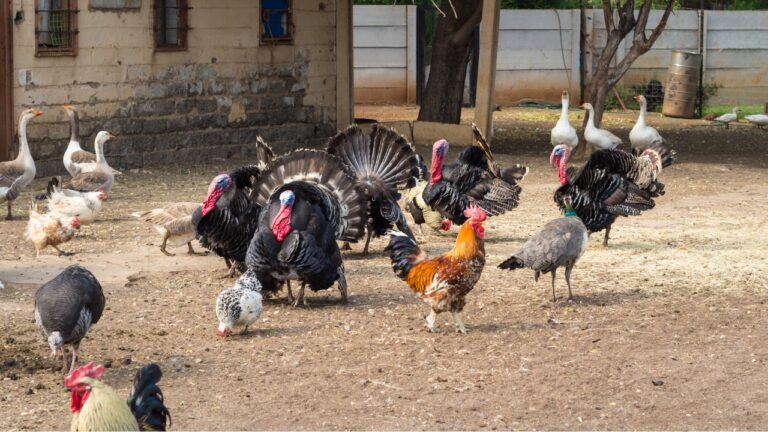
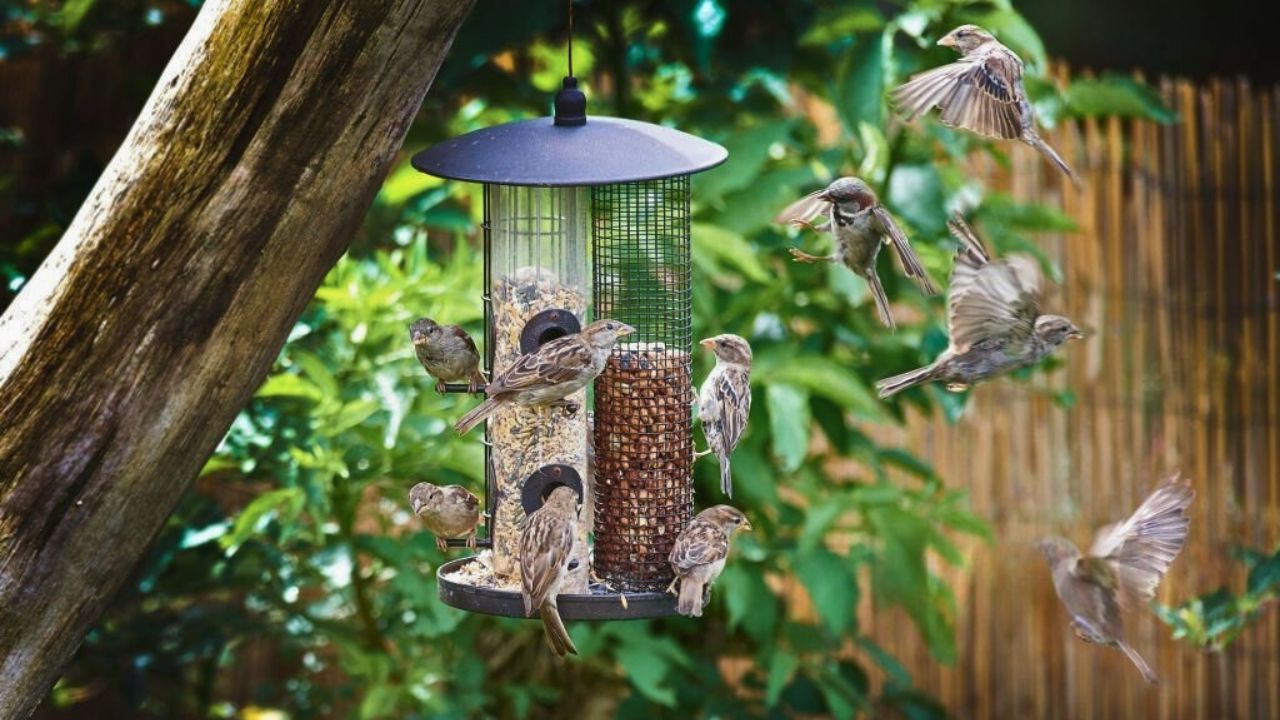
Backyard bird feeders bring color and movement to a yard, but they also change how wild birds move around your property. If you keep chickens or other poultry, that extra traffic can quietly raise the odds that disease gets close to your coop. The goal is not to panic or strip your yard of wildlife, but to understand the risks and adjust how you feed wild birds so you protect your flock without overreacting.
Why feeders near coops matter more in the bird flu era
When you hang a feeder, you are not just decorating a tree, you are creating a predictable gathering point where droppings, saliva and feathers from many species accumulate in a small space. For a backyard flock that forages under that feeder or shares the same ground, those concentrated leftovers can become a shortcut for pathogens that would otherwise be scattered and diluted. That is why poultry specialists describe wild birds as a major “source for disease” and warn that the three major vectors that concern small flock owners include wild bird contact, contaminated equipment and people moving between flocks.
The stakes are higher because H5 bird flu is now described as “widespread in wild birds worldwide” and is causing outbreaks in poultry and U.S. dairy cows, according to federal guidance on What to know. One detailed backyard guide notes that “Wild birds are avian influenza reservoirs” and reports that over “174 million commercial poultry birds” have been culled in the current wave, a figure it writes as “174 m,” which underlines how quickly the virus can move once it reaches domestic birds 174 m. In that context, a feeder that pulls wild visitors right next to your coop is not just a charming feature, it is a biosecurity decision.
How wild birds actually spread disease around your yard
For your flock, the problem is rarely the sight of a sparrow on the fence, it is the invisible trail that bird leaves behind. Pathogens can ride in droppings, on beaks and feet, and even in dried scabs that get ground into dust. Poultry experts point out that “Fowl pox, in its dry form, can be spread by dust and dander,” and that wild birds ranging underneath a bird feeder can shed that material where chickens later scratch and peck Source for. Once that dust is in the litter or on shared equipment, your birds do not need to touch a wild visitor directly to get exposed.
Other infections move through shared food and water. Guidance on backyard poultry safety stresses that structural barriers and coop design should limit how easily wild birds can reach your flock’s feed, waterers and roosts, because those are the “Potential Contamination Zones” that matter most Hand Hygiene. When you place a feeder so that spilled seed lands where chickens roam, you are effectively inviting wild birds to eat and defecate in the same cafeteria line as your hens, which is exactly the kind of overlap that lets viruses and parasites jump species.
What research says about contact between wild birds and backyard chickens
Camera studies around small coops show that food is the main magnet that pulls wild birds into close contact with chickens. One research team that monitored yards with and without poultry found that “The presence of food presents a strong incentive for wild birds to visit,” and that wild visitors were rarely seen near coops unless there was a food source such as spilled grain or a feeder nearby Aug. That means you have more control than you might think: change the food layout and you change how often wild birds and chickens share space.
Practical guides echo that message and frame wild birds as “one of the main sources of parasites and disease for backyard chickens,” then immediately pivot to how you can “Keep Wild Birds Out of the Chicken Coop” by closing gaps, managing compost and using bird deterrents around runs How. The pattern is consistent: the risk is not abstract, but it is also not random. It rises when you give wild birds a reason to linger on the same ground and equipment your flock uses, and it falls when you separate those zones.
Balancing “Low Risk of Avian Flu to Songbirds” with real coop exposure
It is important to separate two different questions: how likely songbirds are to get sick from bird flu, and how likely they are to help move pathogens into your yard. One review of the current outbreak notes a “Low Risk of Avian Flu to Songbirds” and explains that, although there have been “Detections of HPAI in wild birds,” the species that are hardest hit are usually waterfowl and scavengers, not the finches and chickadees at your tube feeder Low Risk of Avian Flu. That is reassuring if you simply enjoy watching songbirds, but it does not erase the fact that any wild bird can track droppings or contaminated material from one place to another.
The same analysis points to a “Wild Bird Avian Influenza Surveillance” dashboard that tracks “Detections of HPAI in wild birds” and advises people who keep poultry to reduce direct contact between their flocks and wild visitors whenever possible Their. In practice, that means you do not need to panic every time a cardinal lands on a branch, but you should think twice about letting chickens forage under a busy feeder or share open water sources with wild ducks and geese, which are more likely to carry H5 viruses.
Why some poultry experts call feeders and flocks a “very risky combination”
People who work with small flocks are increasingly blunt about the downside of mixing feeders and poultry. One advisory tells owners to “Consider your bird feeder to be a very risky combination” when it is placed where chickens can range underneath, and goes so far as to say “It is never recommended for a bird feeder to be located in or near a poultry yard” because of the way droppings and dust accumulate there Consider your bird feeder. That language is strong, but it reflects a simple reality: a feeder over a run turns your coop into a shared wildlife feeding station.
Another detailed look at backyard setups notes that “wild birds can be a biosecurity risk,” especially when “bird feeders or feeding stations” are placed where poultry can access spilled seed or droppings But. The takeaway is not that you must give up feeding wild birds, but that you should treat feeder placement as part of your flock’s health plan. If you want both, you need physical and behavioral separation between where wild birds congregate and where your chickens live and eat.
Biosecurity basics that actually work in a backyard
Biosecurity can sound like a commercial farm term, but the core idea is straightforward: “It is what you do to reduce the chances of an infectious disease being carried to your farm, your backyard, your aviary or your birds,” as one extension guide on avian influenza and biosecurity in 2025 explains Apr. In a small yard, that starts with controlling what comes into the coop area, from wild birds and rodents to visitors’ boots and borrowed equipment. Simple habits like having a dedicated pair of shoes for the run and not sharing feeders or crates with neighbors can quietly cut risk.
Health agencies that focus on backyard poultry safety also emphasize human behavior, noting that “Proper handwashing is the single most effective way to stop the spread of germs between animals and people” and framing “Hand Hygiene, Your First Line of Defense” as a daily practice, not an emergency measure Proper. When you combine those basics with structural barriers that keep wild birds from sharing feed and water, you are already applying the same principles that large operations use, scaled to a backyard.
Cleaning routines that protect both songbirds and your flock
Hygiene around feeders is not just about your chickens, it also protects the wild birds you enjoy watching. One widely cited recommendation is to “Clean feeders regularly,” with guidance that a bleach solution can help keep mold, bacteria and parasites in check so that disease does not build up where birds congregate Clean. Wildlife agencies echo that advice and spell it out in practical terms, noting that “Fortunately, bird feeder care is easy” if you “Keep Feeders Clean” by thoroughly washing “Seed feeders” every couple of weeks and soaking them for about 10 minutes to loosen debris before rinsing and drying Fortunately.
State wildlife staff also warn that “Bacterial diseases are transmitted orally” when birds share contaminated seed and water, and that “Avian pox can be transmitted from bird to bird by mosquitos, as well as between sick and healthy birds at feeders,” which is why they urge people to take down feeders temporarily if they see sick birds and to scrub equipment before rehanging it Avian. For a poultry keeper, those same cleaning routines have a second benefit: they reduce the pathogen load in any area where wild birds gather, which in turn lowers the chance that your flock will encounter something dangerous if they ever pass through that space.
Smart feeder placement and coop design changes that are enough
One of the easiest ways to lower risk without giving up birdwatching is to move feeders away from your coop and run. Guidance on “Understanding Bird Flu and the Importance of Cleanliness in Backyard Bird Feeding” stresses that “Location Matters” and advises people to “Place bird feeders away from poultry areas” so that wild birds are less likely to have physical contact with domestic birds or their droppings Understanding Bird Flu and the Importance of Cleanliness. Even shifting a feeder to the far side of the yard, or to a front garden that your chickens never access, can meaningfully change how much overlap there is between wild visitors and your flock.
Some poultry keepers go further and advocate physical separation, with one widely shared post urging, “For EVERYONE that does not have a completely fenced off chicken run or enclosure: Bird Net your enclosures and do your best to segregate your flock FROM YOUR FLOCK” to keep wild birds from dropping in For EVERYONE. You may not need to cover every square inch of your yard, but using netting over runs, solid roofs on coops and covered feeders for your chickens can sharply reduce the number of wild birds that ever share their space, which is the core goal.
When to pause feeding and how not to overreact
There are moments when the most responsible move is to stop feeding wild birds for a while, even if it feels drastic. Wildlife rehabilitators who respond to outbreaks of Salmonella in songbirds advise that “if you see dead or ill birds in your yard, please remove your feeders and baths immediately” so that you are not drawing more birds into a contaminated hotspot while the pathogen is still circulating And, of course, if you see dead. For a poultry keeper, that same signal should also trigger a closer look at your flock, extra cleaning around the coop and, if needed, a call to a veterinarian.
At the same time, experts on avian influenza remind people that the risk to typical backyard songbirds is relatively low and that good hygiene and spacing can keep “other kinds of diseases at bay” without requiring you to permanently abandon feeding Oct. The practical middle ground is to treat feeders near coops as a controllable risk, not an inevitable threat: move them away from poultry areas, clean them on a schedule, harden your coop against wild visitors and be ready to pause feeding if you see signs of disease in your yard. That way you protect your flock and still enjoy the wild birds that make your property feel alive.
Like Fix It Homestead’s content? Be sure to follow us.
Here’s more from us:
- I made Joanna Gaines’s Friendsgiving casserole and here is what I would keep
- Pump Shotguns That Jam the Moment You Actually Need Them
- The First 5 Things Guests Notice About Your Living Room at Christmas
- What Caliber Works Best for Groundhogs, Armadillos, and Other Digging Pests?
- Rifles worth keeping by the back door on any rural property
*This article was developed with AI-powered tools and has been carefully reviewed by our editors.