Winter home prep steps that prevent the most expensive damage
Winter is the season when small oversights in your house can quietly turn into four‑ and five‑figure repair bills. The most expensive damage usually comes from predictable weak spots, which means you can avoid a lot of it with a focused checklist rather than a full renovation. By targeting the systems most likely to fail in cold weather, you protect both your budget and your peace of mind when temperatures drop.
The key is to think like a risk manager, not a decorator. You are looking for the handful of preventive steps that dramatically cut the odds of burst pipes, roof leaks, foundation problems, and fire hazards, then tackling them in a logical order before the next cold snap hits.
1. Start with a winter risk game plan, not random chores
If you treat winter prep as a pile of disconnected tasks, it is easy to miss the one vulnerability that ends up costing you the most. A smarter approach is to build a simple plan that ranks your risks by impact, starting with anything that could flood your house, compromise structural safety, or create a fire or carbon monoxide hazard. Facility managers use structured frameworks that begin with a clear Step to Define objectives and then Assess the building, and you can borrow that mindset at home.
Once you have identified your biggest exposures, you can map them against a seasonal checklist so nothing slips through the cracks. A broad guide to Complete Guide style maintenance, including the Weatherproofing Your Home basics, helps you see how tasks like sealing air leaks, servicing heating equipment, and managing drainage all connect. That structure keeps you from over‑investing in low‑risk upgrades while ignoring the handful of failures that routinely generate the highest insurance claims.
2. Service the heating system before it faces its “ultimate test”
Your furnace or heat pump is the backbone of winter safety, and it tends to fail exactly when you need it most. Industry guidance notes that Most heating system breakdowns happen during severe cold snaps, when equipment is running nonstop and any deferred maintenance finally catches up. But the right preseason tune‑up can turn an emergency call into a non‑event.
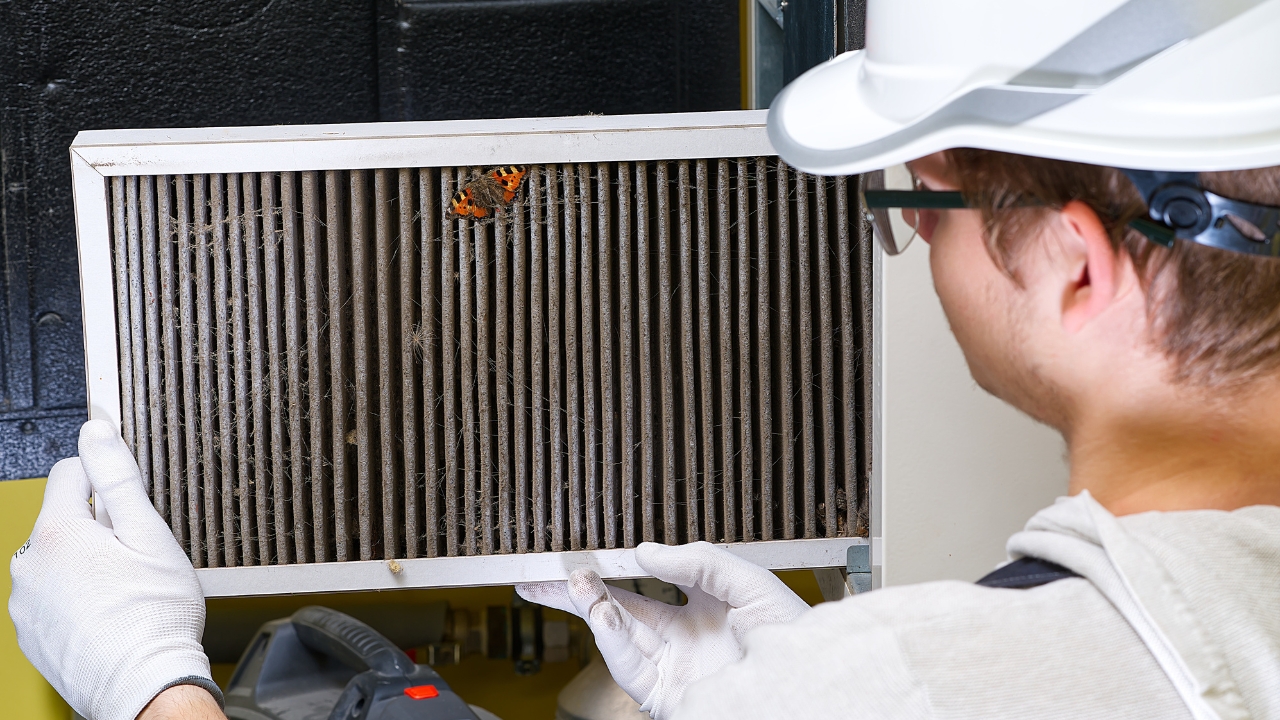
A professional inspection that includes cleaning burners, checking heat exchangers, and verifying safety controls reduces the odds of a mid‑winter shutdown and dangerous carbon monoxide leaks. A properly maintained heating system can lessen the chance of system failures in the winter and keep your family safe when it is time to use them, especially when paired with routine filter changes. Broader maintenance guides highlight The Most Important Home Maintenance Tasks, including Changing HVAC Air Filters Monthly, and urge you to Change filters before heavy heating use so airflow stays strong and equipment is not strained.
3. Stop frozen pipes before they burst and flood your home
Frozen plumbing is one of the classic winter disasters that turns a cold night into a full‑scale water loss. Municipal and insurance data repeatedly show that a single burst line can soak walls, flooring, and electrical systems in minutes, and that is before you factor in mold remediation. Local officials who publish Tips To Avoid Frozen Water Pipes stress that knowing where your main shutoff is and how to cut water quickly can dramatically reduce damage if a pipe does fail, and they even timestamp guidance down to “Thursday, January 16, 2025 at 8:57 a.m.” to reach residents ahead of a freeze.
Prevention, however, is far cheaper than cleanup. You should insulate exposed plumbing in basements, crawl spaces, and exterior walls, since Insulate recommendations emphasize that wrapping vulnerable lines may help prevent frozen pipes when temperatures plunge. Utility and contractor checklists advise you to Protect pipes in unheated areas with foam sleeves or heat cables and to drain and disconnect outdoor hoses and irrigation systems so trapped water cannot expand into fittings.
4. Winterize interior plumbing with insulation and smart habits
Beyond the obvious outdoor lines, a surprising amount of pipe runs through marginally heated spaces inside your home. Laundry rooms over garages, kitchen sinks on exterior walls, and unfinished basements are all prime spots for freezing. Plumbing experts explain that There are various things you want to do to help ensure that your pipes do not freeze up this winter season, starting with targeted insulation. They walk through What Happens When water inside a pipe turns to ice, expands, and splits the line, and why foam sleeves and heat tape are cheap insurance.
Retail and hardware guides frame Preventing Your Pipes from Freezing as one of the easiest and most cost‑effective steps in winterizing your plumbing, especially when you combine insulation with small behavioral tweaks. Leaving cabinet doors open on the coldest nights, letting a trickle of water run through problem lines, and keeping interior doors open so warm air circulates can all reduce the risk that Frozen sections form in the first place.
5. Control water on the outside: gutters, roofs, and drainage
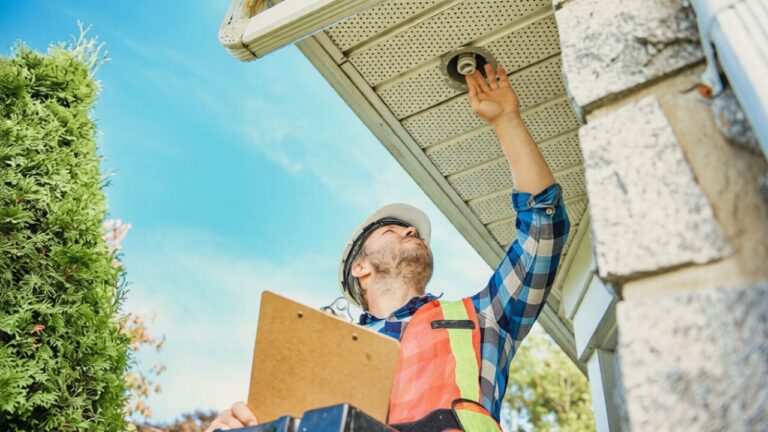
Most of the costliest winter damage starts with water that is in the wrong place for too long. When snow melts on a warm roof and refreezes at the eaves, it can create ice dams that push water back under shingles and into your attic. Roof and real‑estate checklists urge you to Clean out gutters to avoid ice dams that can damage your roof, and to keep downspouts clear so meltwater has somewhere to go.
Broader winter maintenance guides echo that advice, telling you to Clean Your Gutters and Check for sagging sections or leaks so you can fix weak spots before winter storms hit. Insurance specialists who focus on exterior prep explain that Getting your home ready for winter is more than just a chore, it is an investment in your property’s longevity, and they recommend you Clean gutters and downspouts and even Consider installing gutter guards to keep debris from building up again mid‑season.
6. Seal the shell: windows, doors, and hidden air leaks
Heat loss is not just an energy problem, it is a damage problem, because cold spots and drafts can create condensation and localized freezing that stress materials. A detailed Complete Guide to Weatherproofing Your Home points out that Seal Window and Door Frames is one of the highest‑impact steps, since One of the most significant sources of energy loss is uncontrolled air leakage around openings. When you close those gaps with caulk and weatherstripping, you not only cut your heating bill, you also keep interior surfaces warmer and drier.
Real‑estate maintenance checklists urge you to Follow essential steps to keep the warmth in and the cold out, starting with a walk‑around to Check Windows and Doors for Drafts. You should Inspect for rattling sashes, daylight around frames, and loose thresholds, then address them with foam tape, door sweeps, or interior storm panels. These small upgrades are especially important in older homes where original windows and doors were never designed for modern energy standards.
7. Protect the structure: foundations, siding, and exterior cracks
While burst pipes and roof leaks grab attention, foundation and structural problems can quietly become some of the most expensive repairs you will ever face. Insurance data on the Aug list of the 10 most costly home repairs highlight Foundation work near the top, and they warn that Finding cracks and ignoring them is a recipe for bigger trouble. Winter freeze‑thaw cycles can widen small gaps as water seeps in, freezes, and expands.
Regional reporting on cold‑climate risks explains that Water that seeps into small cracks or gaps around homes can freeze and expand, slowly prying open concrete and damaging driveways, steps, and foundations. You can blunt that process by sealing hairline cracks in masonry, maintaining grading so water flows away from the house, and filling gaps around penetrations in exterior walls with caulk or insulation. Specialists in Foundation Repair note that Winter Winter months often bring frigid temperatures, snow, and ice, and they urge you to consider the effect that However changing weather has on your home’s structure.
8. Do not let a “milder winter” lull you into skipping prep
Seasonal forecasts can be tempting excuses to procrastinate, especially when they call for fewer deep freezes. Recent coverage notes that Oct outlooks where Experts Predict a Milder Winter for 2025 still But Urge Homeowners Not to Drop the Ball This Fall. The message is that even in a less severe season, a single cold snap or ice storm can cause the same level of damage as a harsher winter if you are unprepared.
Consumer‑friendly guides that package Quick Steps to Prepare Your Home for Winter emphasize that you do not need weeks of work to get ahead of the weather. Simple actions like servicing your heating system, checking weatherstripping, and draining outdoor faucets can be done in a weekend. Many of these checklists are written By Family FeaturesContributor
9. Finish with safety checks and the most common water risks
Even if you never face a burst pipe or structural crack, winter can magnify hidden safety hazards inside your home. Fire and hearth experts urge you to INSPECT SMOKE AND CARBON MONOXIDE ALARMS when your house is closed up and your heating system is running, because that is when the risk of CO poisoning and house fires climbs. State regulators who explain how to Prepare the inside of your home also urge you to Get your chimney inspected and cleaned, since Creosote buildup can start a fire.
On the water side, consumer advocates remind you that Water damage is one of the most common and costly home disasters, and that The Insurance Information Institute tracks it as a leading driver of claims. Vacation‑rental and hospitality checklists that package a Winter Home Maintenance Checklist for multiple properties stress that Everything You Need to Prepare includes steps to Prevent ice dams, seal exterior gaps, and monitor for leaks. Local brokers who warn about Here are the top ten winterization mistakes say that Ignoring Gutter Maintenance and letting Clogged downspouts persist are among the fastest ways to invite that kind of loss. By treating alarms, chimneys, and water control as the final, non‑negotiable layer of your winter prep, you dramatically cut the odds that this season’s weather will turn into next year’s biggest repair bill.
Supporting sources: 4 Ways to Head off Expensive Home Disasters This Winter.
Like Fix It Homestead’s content? Be sure to follow us.
Here’s more from us:
- I made Joanna Gaines’s Friendsgiving casserole and here is what I would keep
- Pump Shotguns That Jam the Moment You Actually Need Them
- The First 5 Things Guests Notice About Your Living Room at Christmas
- What Caliber Works Best for Groundhogs, Armadillos, and Other Digging Pests?
- Rifles worth keeping by the back door on any rural property
*This article was developed with AI-powered tools and has been carefully reviewed by our editors.