Winter storms are coming and these are the CO mistakes that kill people
When the power goes out in a blizzard, you are not just fighting the cold. You are also up against a toxic gas you cannot see, smell, or taste, and the smallest mistake can turn a snow day into a mass‑casualty event. Carbon monoxide, or CO, quietly kills people every winter, and the deadliest errors are often the ones that feel like common sense in an emergency.
As winter storms line up, you need to know exactly which habits put you and your family at risk and how to replace them with safer choices before the lights go dark. The difference between surviving a long outage and never waking up can come down to where you park a generator, how you clear snow, and whether your alarms are working.
Why winter storms supercharge CO danger
Carbon monoxide mainly comes from gas appliances and heating systems that burn fuels like gasoline, natural gas, propane, oil, wood, or charcoal, and it becomes especially dangerous when your home is sealed tight against the cold. During a storm, you are more likely to run multiple fuel‑burning devices at once, from a furnace to a portable heater or generator, which raises the chance that this colorless, life‑threatening gas will build up indoors. Experts warn that Carbon monoxide mainly comes from these everyday systems, so the risk spikes exactly when you are most focused on staying warm.
That combination of cold, darkness, and desperation is why Hundreds of people die accidentally each year from CO poisoning tied to malfunctioning or improperly used fuel‑burning appliances. When storms knock out power across the Plains, the Midwest, or the Ohio Valle region, millions of households suddenly turn to backup heat and power, and every one of those improvised setups is a potential source of lethal gas. You cannot rely on your senses to warn you, so your only real protection is understanding where CO comes from and refusing to cut corners when the temperature drops.
The generator mistakes that turn garages into gas chambers
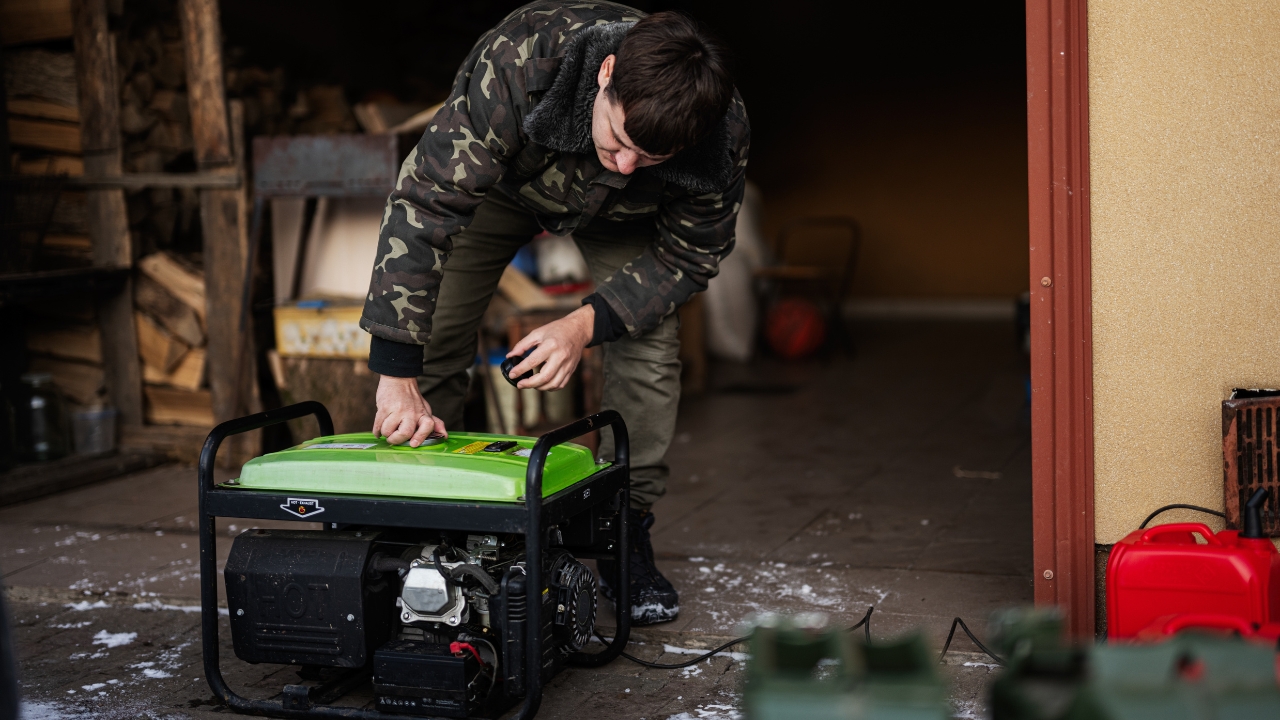
The single deadliest CO mistake in a winter storm is dragging a portable generator into a garage, basement, or enclosed porch because you want to keep it “out of the weather.” Federal safety officials are blunt: you should NEVER operate a portable generator inside a home, garage, basement, crawlspace, shed, or any partially enclosed space, even if doors or windows are cracked open. The exhaust from a gasoline engine can push CO levels to lethal concentrations in minutes, and the gas seeps through drywall and floorboards into bedrooms where people are sleeping.
Even outside, placement matters more than most people realize. You are told to Use generators at least 20 feet from any window, door, or vent, with the exhaust pointed away from the house, because wind can blow fumes back inside. Real‑world investigations have found that cord length and access to appliances often dictate where people put their machines, which is why researchers stress that you should Make safe generator placement
Hidden traps: blocked vents, idling cars, and “creative” heating hacks
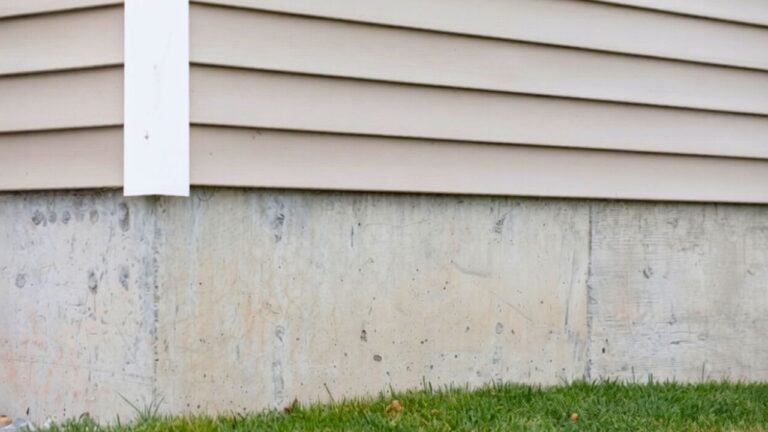
Even if you never touch a generator, winter weather can quietly turn your home into a CO trap. When snow piles up, it can bury furnace exhaust pipes, dryer vents, and side‑wall outlets for gas fireplaces, which lets exhaust spill back into living spaces instead of dispersing outside. Officials in Massachusetts warn that Winter snows can create drifts
Inside, the temptation to improvise heat is just as dangerous. You might be tempted to fire up a charcoal grill in the kitchen or use a gas oven as a space heater, but safety agencies are explicit that you should Never use charcoal indoorsFaulty
The alarms, checklists, and official guidance that actually save lives
Because you cannot detect CO on your own, alarms are your last line of defense, and they only work if you install and maintain them before the storm hits. Fire officials in STOW, Massachusetts, have urged residents to test their devices and replace batteries as part of a winter‑weather routine, noting that Residents should also be sureMake sure your home has
Government agencies have also built CO prevention into their broader winter‑storm playbooks. Emergency managers highlight Power OutagesProtect
How to think about CO every time the lights go out
Once a storm hits and the grid fails, every decision you make about heat and power should start with one question: where will the exhaust go. Consumer safety officials warn that during a Loss of PowerMany
You also need to think beyond generators. Indoor air experts advise that during outages you should not idle vehicles in garages and that you should follow guidance on Vehicles: Do not runCarbon monoxide awareness monthAvoiding COCarbon Monoxide
Supporting sources: As Winter Storms Threaten Millions in the U.S., CPSC Issues …, Carbon Monoxide | Mass.gov, Carbon Monoxide | Mass.gov, Safety Guidelines: During & After a Winter Storm – CDC, Check CO Alarms and Keep Vents Clear of Snow – Mass.gov, Carbon Monoxide Poisoning Risk Rises During Winter Storms, As Winter Storms Threaten Millions in the U.S., CPSC Issues Safety …, As Winter Storms Threaten Millions in the U.S., CPSC Issues …, Unknown Winter Threat: Why Carbon Monoxide Dangers …, Safety precautions after a winter storm, Power Outages and Indoor Air Quality (IAQ) | US EPA, Carbon Monoxide Poisoning Risks Higher During Winter Storms, Millions in Path of Winter Storm; CPSC Issues Safety Tips to Help …, Storm-Related Carbon Monoxide Poisoning: An Investigation …, One of Winter’s Hidden Hazards – Carbon Monoxide Poisoning, 4 Tips to Prepare for Winter Weather Risks | FEMA.gov, Why the risk of carbon monoxide poisoning grows after a winter storm, Carbon monoxide awareness month: Keep the generator …, How to protect yourself and others when the temperature drops.
Like Fix It Homestead’s content? Be sure to follow us.
Here’s more from us:
- I made Joanna Gaines’s Friendsgiving casserole and here is what I would keep
- Pump Shotguns That Jam the Moment You Actually Need Them
- The First 5 Things Guests Notice About Your Living Room at Christmas
- What Caliber Works Best for Groundhogs, Armadillos, and Other Digging Pests?
- Rifles worth keeping by the back door on any rural property
*This article was developed with AI-powered tools and has been carefully reviewed by our editors.